

7 Signs You Need a TMJ Dentist – And What to Do About It
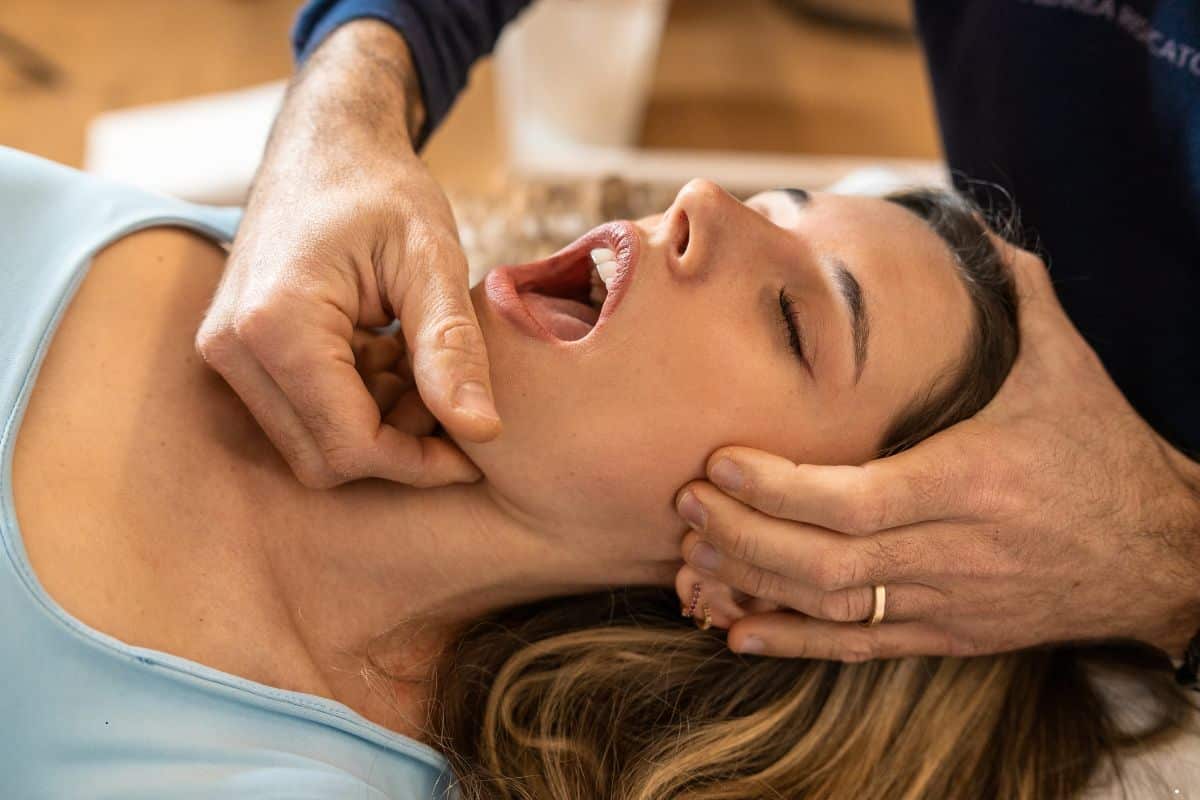
Jaw pain, clicking sounds, or morning headaches might seem minor, but they could be signs of something more serious — TMJ disorder. This condition affects the temporomandibular joint, which connects your jaw to your skull, and when it doesn’t function properly, it can lead to a wide range of uncomfortable symptoms.
At Signature Orthodontics many patients come in unaware that their jaw pain or headaches are connected to TMJ issues. Understanding the signs early and seeking proper TMJ treatment can prevent long-term discomfort and restore normal jaw function.
Here are seven signs that it might be time to visit a TMJ dentist — and what you can do to find relief.
1. Persistent Jaw Pain or Tenderness
One of the most common indicators of TMJ disorder is pain or tenderness in your jaw, especially when chewing, talking, or yawning. The pain might be localized around the jaw joint or radiate to your face, neck, or even your shoulders.
If you often wake up with sore jaw muscles or experience discomfort after eating, it may be time to discuss TMJ treatment in Centennial with a specialist who can assess your jaw function and recommend a personalized care plan.
2. Clicking, Popping, or Grinding Sounds
Hearing clicking or popping sounds when you open or close your mouth can be another sign of TMJ dysfunction. While occasional jaw noise is normal, frequent or painful clicking often means the joint is misaligned or under stress.
In severe cases, your jaw may even lock in an open or closed position, making it difficult to eat or speak comfortably. An orthodontist familiar with TMJ disorders can evaluate your bite alignment and determine whether adjustments or therapies can relieve the strain.
3. Frequent Headaches or Migraines
TMJ pain doesn’t stop at your jaw—it can trigger chronic headaches or migraines due to tension in the jaw and facial muscles. These headaches often start near the temples or behind the eyes and may feel worse in the morning or late afternoon.
If over-the-counter pain relief doesn’t seem to help, it may not be a typical headache. You could be experiencing TMJ-related tension that requires targeted TMJ treatment to address the root cause.
4. Ear Pain or a Feeling of Fullness
Many TMJ patients report ear-related symptoms such as ringing, pressure, or pain without an ear infection. That’s because the temporomandibular joint is located close to the ear canal, and inflammation or stress in the joint can radiate into the ear area.
If you’ve been to the doctor for recurring ear discomfort but no infection is found, consider scheduling an evaluation for TMJ treatment in Centennial to rule out a jaw-related issue.
5. Difficulty Chewing or Biting
If you’ve noticed that chewing feels uneven or painful, your bite alignment may be off due to TMJ disorder. You might also hear clicking noises or feel your jaw shifting to one side when you eat.
This discomfort can make it difficult to enjoy certain foods and can worsen if untreated. An orthodontist experienced in TMJ disorders can identify whether misalignment or muscle strain is causing your symptoms and suggest appropriate therapy or bite correction.
6. Stiffness or Limited Jaw Movement
Do you struggle to open your mouth fully, especially in the morning? Limited jaw mobility can be another telltale sign of TMJ disorder. This stiffness is often caused by inflammation or muscle tension around the joint, which restricts your normal range of motion.
Applying warm compresses may offer temporary relief, but persistent stiffness should be examined by a professional who can recommend a long-term TMJ treatment Centennial patients trust for lasting comfort.
7. Jaw Clenching or Teeth Grinding (Bruxism)
Many people with TMJ disorder also grind or clench their teeth, especially during sleep or stressful situations. Over time, this constant pressure wears down tooth enamel and strains the jaw muscles, leading to more pain and potential joint damage.
A dentist or orthodontist may recommend a custom nightguard or stress-reduction techniques as part of your TMJ management plan. Addressing grinding habits early can help protect both your teeth and your jaw health.
What to Do If You Recognize These Signs
If several of these symptoms sound familiar, don’t ignore them. TMJ disorders rarely improve without professional care—and early intervention often means faster, simpler recovery.
Here’s what you can do next:
- Schedule a consultation: Visit a qualified TMJ dentist or orthodontic specialist for an evaluation.
- Avoid overuse: Try not to chew gum or hard foods that overwork your jaw.
- Apply heat or ice: This can help ease inflammation and muscle soreness.
- Maintain good posture: Poor neck and shoulder alignment can worsen TMJ tension.
- Reduce stress: Stress management techniques can help minimize teeth clenching and grinding.
A personalized approach from a professional who understands jaw alignment and muscle balance is the most effective way to find lasting relief.
Conclusion
TMJ disorder can affect far more than your jaw—it can influence your comfort, your sleep, and your quality of life. Recognizing the signs early and seeking TMJ treatment from an experienced provider can help you restore normal function and prevent long-term complications.
At Signature Orthodontics in Centennial, CO, patients receive comprehensive assessments and customized solutions that focus on relieving pain and improving jaw alignment. Whether your symptoms are mild or severe, taking action now can help you get back to living and smiling comfortably.
If you’re experiencing ongoing jaw pain, headaches, or difficulty chewing, don’t wait for the discomfort to worsen. The caring team at Signature Orthodontics in Centennial, CO offers expert TMJ treatment tailored to your needs.
Call today or schedule your consultation online to take the first step toward lasting TMJ relief and a more comfortable, balanced smile.