

Signs Your Headaches Might Actually Be TMJ Related — What Most People Don’t Realize
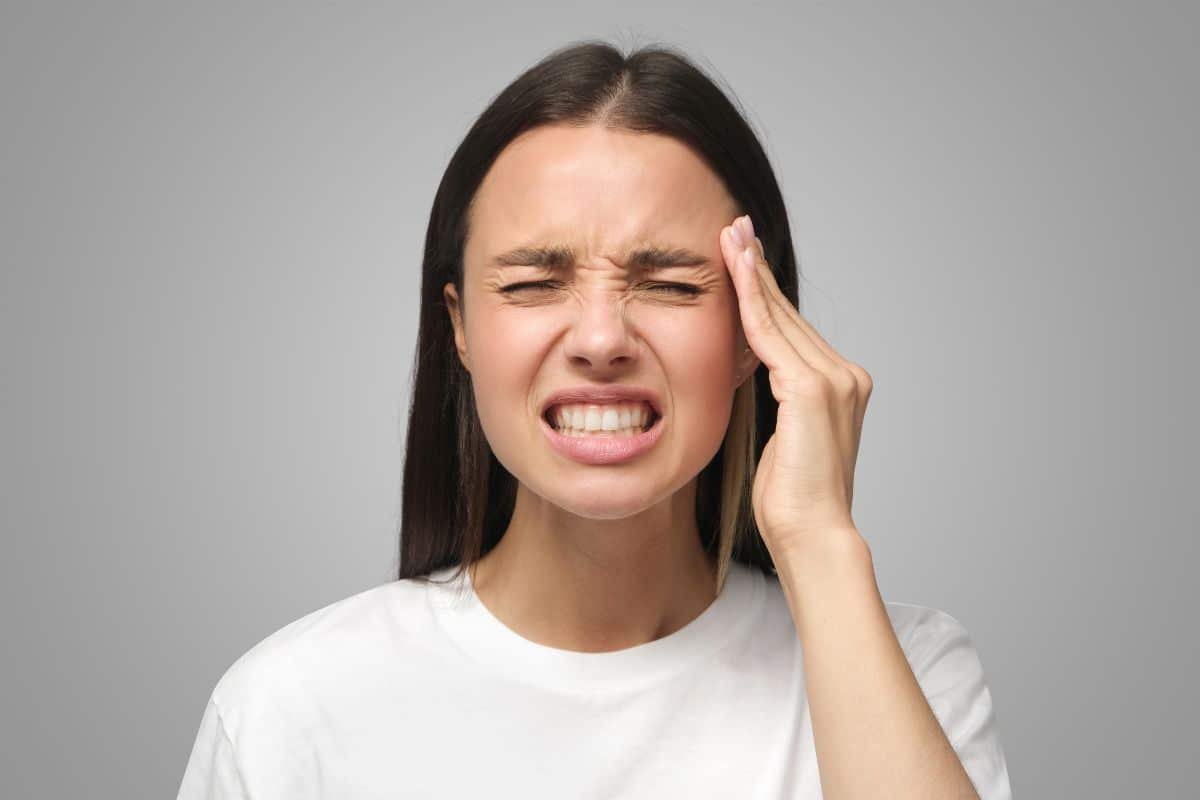
What are TMJ-related headaches? Headaches occur when problems with the jaw joint or surrounding muscles cause pain that spreads to the head, temples, or neck. Many people seeking TMJ treatment Centennial are surprised to learn recurring headaches may not originate in the head. Instead, they can originate in the jaw. These headaches are often mistaken for migraines or tension headaches, which is why understanding the signs matters.
What Is TMJ and Why Does It Cause Headaches?
The temporomandibular joint connects your jaw to your skull and allows you to chew, speak, and move your mouth comfortably. When the joint becomes irritated or strained, it can lead to:
- Muscle tension around the face
- Jaw misalignment
- Inflammation
- Referred pain to the head and neck
Because these muscles connect closely to the temples, discomfort often feels like a headache rather than jaw pain.
Why Recognizing TMJ Headaches Is Important?
Many people treat recurring headaches with pain relievers but never address the root cause. If the jaw joint is responsible, the TMJ Headache symptoms may continue or worsen over time. Early recognition helps prevent:
- Chronic facial pain
- Jaw stiffness
- Tooth wear from grinding
- Increased headache frequency
- Sleep disturbances
Understanding the cause leads to more effective relief.
How TMJ Treatment Centennial Patients Seek Help to Identify the Real Cause?
A proper evaluation looks beyond the headache itself. Dental professionals often check:
- Jaw movement patterns
- Bite alignment
- Muscle tension in the jaw and neck
- Signs of teeth grinding or clenching
- Joint sounds like clicking or popping
Identifying these patterns helps determine whether temporomandibular joint dysfunction may be contributing to your symptoms.
What Are the Common Signs Your Headaches Are TMJ Related?
1. Pain Near the Temples or Ears
The headaches often feel like pressure on the sides of the head, near the ears or temples.
2. Jaw Clicking or Popping
If your jaw makes sounds when opening or closing, this may indicate joint stress linked to headaches.
3. Morning Headaches
Waking up with headaches can be a sign of nighttime grinding or clenching.
4. Jaw Fatigue While Eating
Difficulty chewing or jaw soreness after meals may suggest muscle overuse.
5. Neck or Shoulder Tension
Jaw issues frequently affect nearby muscles, causing tension that radiates upward.
6. Limited Jaw Movement
If your jaw feels stiff or difficult to open fully, the dysfunction may be involved.
When Is Professional Evaluation Recommended?
You should consider an evaluation if:
- Headaches happen frequently
- Pain worsens when chewing
- Jaw sounds accompany discomfort
- Headaches persist despite medication
- You notice tooth wear or grinding
Because the symptoms overlap with other conditions, professional diagnosis helps rule out other causes.
How TMJ Evaluations and Care Typically Work
Treatment plans vary depending on symptoms, but the process often includes:
Step 1: Comprehensive Assessment
- Jaw movement testing
- Bite analysis
- Discussion of symptoms and habits
Step 2: Diagnosis and Planning
The goal is to identify triggers such as clenching, stress, or bite imbalance.
Step 3: Conservative Treatment Options
Common approaches may include:
- Custom nightguards
- Bite adjustments
- Muscle relaxation strategies
- Jaw exercises
- Lifestyle modifications
Treatment usually focuses on reducing stress on the joint rather than invasive procedures.
Benefits of Addressing TMJ Early
When the temporomandibular joint issues are managed early, patients often notice:
- Fewer headaches
- Reduced jaw tension
- Better sleep quality
- Less facial discomfort
- Improved chewing comfort
Many people are surprised at how much overall well-being improves once jaw strain decreases.
Risks of Ignoring TMJ Symptoms
Leaving the problems untreated may lead to:
- Chronic pain cycles
- Increased tooth damage
- More frequent headaches
- Jaw locking or restricted movement
- Ongoing muscle inflammation
Early intervention tends to be simpler and more effective than waiting until the TMJ Headache symptoms worsen.
Also Read: Risk Factors of TMJ Disorder and How to Reduce Them
Aftercare and Daily Habits That Help
Recovery and symptom control often depend on everyday habits.
Helpful aftercare tips:
- Avoid chewing gum excessively
- Eat softer foods during flare-ups
- Practice gentle jaw stretches
- Manage stress and clenching habits
- Maintain good posture when working
Small lifestyle changes can reduce strain significantly.
Guidance for Centennial Residents: Addressing Unexplained Headaches
If your headaches feel unexplained or stubborn, a dental evaluation may provide answers you haven’t considered. Many patients in Centennial discover that jaw-related issues were contributing to symptoms they assumed were migraines.
A professional assessment can help you understand whether jaw-related care or related services might support long-term comfort and oral health. You may also explore related services like preventive dentistry, bite evaluations, or other oral health solutions that support jaw stability. Call us today to schedule a comprehensive evaluation and find out if your jaw health could be the key to lasting headache relief. Our team is here to help you feel better and protect your long-term oral health.
Frequently Asked Questions
How do you know if your headache is from the temporomandibular joint?
The headaches can often bring about jaw pain, clicking sounds, facial tension, or discomfort near the temples. These symptoms can be bothersome, but understanding them can help you find relief and feel more comfortable.
Can TMJ feel like a migraine?
Absolutely, temporomandibular joint headaches can sometimes feel quite similar to migraines since they share similar muscle and nerve pathways. This can sometimes make them a bit tricky to tell apart.
Do the headaches go away on their own?
Mild cases often improve on their own. However, if you notice your symptoms returning regularly, it’s really helpful to consult a healthcare professional for a proper check-up. Taking this step can give you peace of mind and ensure you’re on the right track.
Is TMJ treatment painful?
Most professional care primarily involves gentle, non-invasive approaches designed to alleviate discomfort and reduce symptoms. It helps patients feel more at ease and confident in managing their condition.
Can a nightguard help TMJ headaches?
Yes, custom nightguards can really help reduce grinding and ease pressure on your jaw joint. It provides you with more comfort and a greater sense of peace. They’re a wonderful option to make things more comfortable for you.
How long does temporomandibular joint treatment take?
The time it takes to see results can vary depending on how serious the issue is and what causes it. However, many patients begin noticing improvements in just a few weeks. This gives hope and reassurance that progress is possible within a relatively short period.
Can stress make TMJ worse?
Yes. Stress often causes more jaw clenching and muscle tension, which can make symptoms worse and make managing them more challenging. Remember to take time to relax and find calming activities that help you feel more at ease.
Are the headaches dangerous?
Typically, these issues are not dangerous on their own. However, if they are left unaddressed over time, they can have a substantial negative impact on a person’s overall quality of life. Such impacts may cause ongoing discomfort, increased stress, and related health issues.
Should you see a dentist or doctor for TMJ headaches?
A dental expert who specializes in jaw movement and temporomandibular joint disorders can perform a gentle and thorough examination. It is to determine whether the issues are contributing to a patient’s symptoms and to help accurately diagnose the problem.
Can posture affect temporomandibular joint pain?
Yes, it’s common for poor posture, like from desk work or using your phone, to increase jaw strain. Being mindful of your posture can really help ease that tension.
Find Relief from TMJ-Related Headaches with Us
Not every headache starts in the head. Sometimes, the jaw is quietly creating tension that spreads upward and causes recurring pain. Understanding the TMJ headaches symptoms can help you seek the right guidance and avoid unnecessary frustration. If headaches persist despite usual treatments, a professional evaluation can identify if jaw alignment and muscle tension are involved. Book an appointment with Signature Orthodontics to get relief from the pain.