


Your Retainer Doesn’t Fit Anymore? Here’s What It Really Means for Your Smile
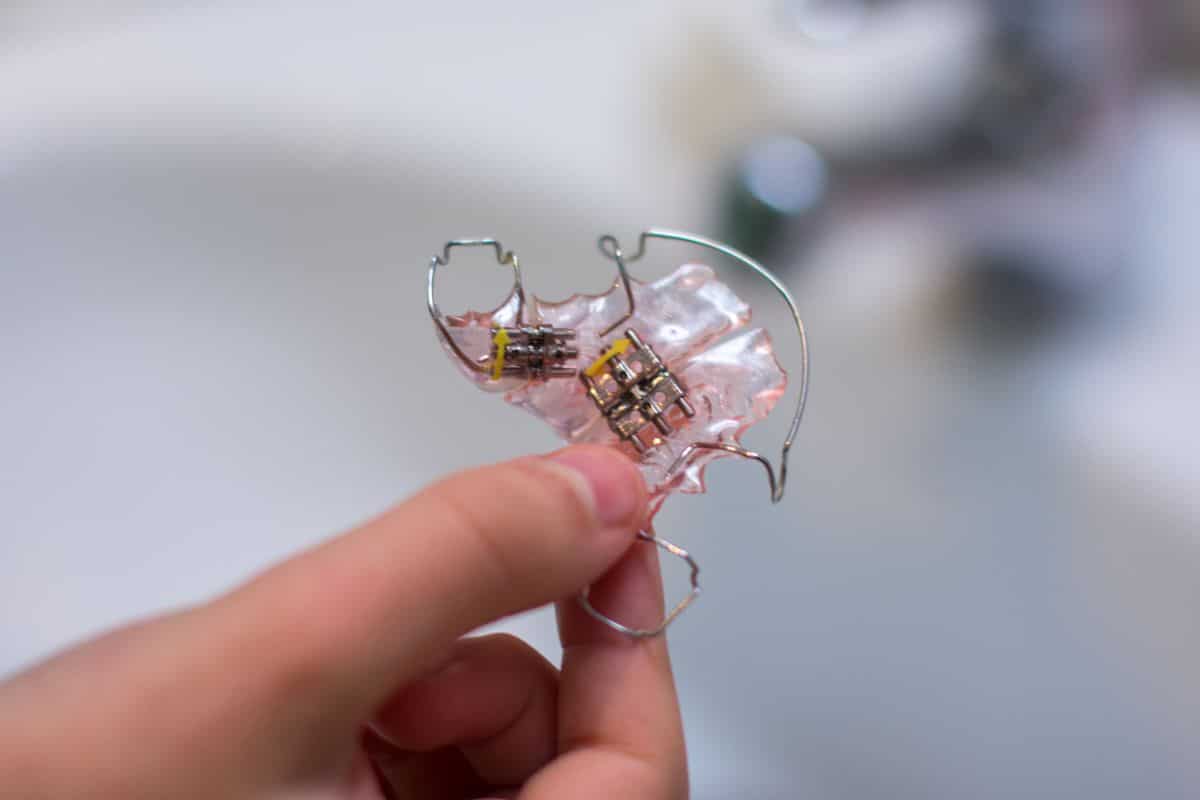
You finally finished braces or clear aligners. Your teeth looked straight, your bite felt right, and you probably thought the hardest part was over.
Then one night, you put your retainer in- and it doesn’t fit anymore.
Maybe it feels unusually tight. Maybe it only fits halfway. Or maybe it won’t go over one or two teeth at all.
That can trigger an uncomfortable thought: “Did I ruin my orthodontic results?”
The good news is that a retainer that no longer fits does not automatically mean you need braces all over again. But it is a sign that something has changed and deserves attention.
If you’re looking for an orthodontist for a retainer not fitting, here’s what may be happening, what you should avoid doing, and when a replacement retainer or additional orthodontic treatment may be appropriate.
Why Doesn’t My Retainer Fit Anymore?
A retainer is made to match the position of your teeth at a particular point in time. If your teeth move, even slightly, that original fit can change.
The most common reasons include:
- You stopped wearing your retainer regularly.
- You went several nights without wearing it.
- Your retainer became damaged or warped.
- The appliance has simply worn out over time.
- Your teeth have gradually shifted after orthodontic treatment.
- Changes in your bite or tooth position have altered how the retainer sits.
This is why teeth shifting after braces can sometimes be noticed first through the retainer rather than by looking in the mirror.
A tight retainer is different from a retainer that won’t fit
A retainer that feels slightly snug may sometimes be associated with minor tooth movement. But if it cannot seat completely, causes significant pain, or appears distorted or damaged, don’t force it into position.
Your orthodontist can determine whether the appliance is still appropriate for your current tooth position.
Is It Too Late to Fix Teeth That Have Shifted?
Usually, it is not simply a matter of “too late.” The right solution depends on how much the teeth have moved, where they have moved, how long the change has been present, and your overall bite.
Some people may only need a replacement retainer after an orthodontic evaluation. Others may need a short period of additional orthodontic treatment to move teeth back before a new retainer can maintain the result.
The important distinction is this:
A retainer is designed primarily to maintain tooth position. It is not automatically a substitute for orthodontic treatment when teeth have significantly moved.
That is why guessing based only on how your retainer feels can be misleading.
What Should You Do If Your Retainer Doesn’t Fit?
If your retainer suddenly feels wrong, resist the temptation to force it.
Instead:
1. Check the retainer itself
Look for cracks, bends, distortion, or other visible damage.
A damaged appliance may no longer fit correctly even if your teeth have not changed significantly.
2. Don’t force a painful retainer
If the appliance will not seat properly or causes significant discomfort, stop trying to push it into place.
Forcing an ill-fitting retainer can put unnecessary pressure on your teeth and gums.
3. Think about your recent wear routine
Ask yourself:
- How long has it been since I wore my retainer?
- Have I been skipping nights?
- Did I accidentally leave it somewhere?
- Has the retainer become old or damaged?
- Did I recently notice a change in my bite?
These details can help your orthodontist understand what may have changed.
4. Schedule an orthodontic evaluation
An orthodontist can examine your tooth positions, bite alignment, and retainer to determine what is happening. Depending on the situation, treatment may involve a new retainer, adjustments, or additional orthodontic treatment.
Retainer Not Fitting: Replacement or More Orthodontic Treatment?
These situations can look similar from home but require different solutions.
| What you notice | What it may indicate | Possible next step |
| Retainer is slightly snug | Minor tooth movement or normal fit change | Professional evaluation |
| Retainer is cracked or distorted | Appliance damage | Replacement retainer |
| Retainer won’t seat fully | Tooth movement or appliance problem | Orthodontic assessment |
| Several teeth have visibly shifted | Orthodontic relapse | Additional treatment may be considered |
| Retainer was lost | Teeth may shift without retention | Replacement retainer |
| Bite feels noticeably different | Change in tooth or bite position | Comprehensive evaluation |
The table isn’t a diagnosis. Your orthodontist needs to assess the actual tooth and bite changes before determining the appropriate solution.
Why Teeth Shift After Braces Even Years Later
Many people assume that once braces come off, their teeth are permanently locked into position.
They aren’t.
Teeth can move throughout life. The tissues surrounding them adapt after orthodontic treatment, and continued retention helps maintain the corrected positions.
That is why orthodontic treatment doesn’t really end when the braces or aligners come off. Retention is part of protecting the result.
Signature Orthodontics explains that the gums, ligaments, and surrounding bone need time to adapt after orthodontic movement, and ongoing retainer use helps maintain alignment.
Other factors can also contribute to changes in tooth position, including normal aging, bite changes, clenching or grinding, and changes affecting the surrounding oral structures.
The longer you ignore a poor-fitting retainer, the more uncertain the situation becomes
If a retainer no longer fits because your teeth have moved, continuing to leave it unused may allow additional movement.
That doesn’t mean every missed night causes major relapse. It means that a persistent change is worth checking rather than hoping it disappears.
What Happens During a Retainer Check?
A retainer appointment doesn’t necessarily mean you’re starting orthodontic treatment again.
Your orthodontist may:
- Examine your teeth and gums.
- Check your bite alignment.
- Evaluate how much your teeth have shifted.
- Inspect the retainer for damage or distortion.
- Determine whether your current retainer can still be used.
- Discuss whether a new retainer is appropriate.
- Explain whether additional orthodontic movement is necessary.
The goal is to understand why the retainer no longer fits before deciding what to do about it.
When You May Need a Replacement Retainer
A replacement retainer may be appropriate when the appliance itself is the problem- for example, if it has been lost, damaged, worn down, or no longer fits because a minor change needs to be addressed.
Signature Orthodontics offers several retention options, including Vivera clear retainers, Hawley retainers, and bonded retainers. The appropriate option depends on the patient’s orthodontic needs and treatment history.
If your teeth have already moved substantially, however, simply making a new retainer based on the current position may maintain the new position rather than return your teeth to where they were before.
That’s why an orthodontic evaluation comes first.
Meet Dr. Jason Morris

Dr. Jason Morris, D.D.S., M.S. provides orthodontic care at Signature Orthodontics in Centennial. He completed his orthodontic training and master’s degree in Oral Biology at Texas A&M University Baylor College of Dentistry and has treated orthodontic patients in private practice.
His approach emphasizes listening to patients, explaining treatment options, and creating individualized orthodontic plans.
⭐⭐⭐⭐⭐ Kelley Germano
As an older adult I wasn’t sure braces were an option and sounded painful!! Not at this office…. Dr Morris is amazing and easy to understand treatment options. The whole office staff is caring and supportive as well. Andrea was the assistant who put all my attachments on for Invisalign. She was incredible!! So patient and gentle as well as knowledgeable. If you are seeking treatment this is the place to go. You won’t be disappointed!!
Is Your Retainer No Longer Fitting? Don’t Wait to Find Out Why.
If your retainer has become too tight, won’t seat properly, or suddenly feels different, schedule a retainer evaluation with Signature Orthodontics in Centennial.
Finding out what’s happening now can give you a clearer understanding of whether you need a replacement retainer, minor correction, or additional orthodontic treatment.
Call Signature Orthodontics to schedule a consultation to discuss your retainer and current tooth position.
You can also review the practice’s patient experiences and Google reviews before your appointment.
What If You Stopped Wearing Your Retainer for Years?
Don’t assume that the length of time means nothing can be done.
The teeth may have shifted only slightly or the changes may be more noticeable. The appropriate solution depends on your current alignment rather than simply the number of years since braces.
An orthodontic evaluation can help determine whether your existing retainer can still be used, whether a replacement retainer is appropriate, or whether additional tooth movement should happen first.
Your Retainer Is a Warning Sign- Not a Deadline
A retainer that suddenly doesn’t fit can be unsettling, especially when you worked hard to straighten your teeth in the first place.
But don’t jump straight to the conclusion that your orthodontic results are lost.
The right question is why the retainer no longer fits.
Sometimes the solution is simply a replacement appliance. Sometimes teeth have shifted enough to need additional orthodontic correction. And sometimes the retainer itself is the problem.
If you’re in Centennial, Aurora, or the surrounding Denver metro area and your retainer no longer fits, Signature Orthodontics can evaluate your current alignment and explain your options. The practice is located at 5657 S. Himalaya St., #110, Centennial, CO 80015.
Don’t force the retainer. Don’t ignore the change. Get it checked and find out what’s actually happening with your smile.
Frequently Asked Question
1. Can I wear my old retainer if it feels tight?
If your retainer is only mildly snug and still fits completely without significant discomfort, your orthodontist may determine that it is safe to continue using. However, do not force a retainer that will not seat properly or causes significant pain. An orthodontic evaluation can help determine whether the retainer still fits your current tooth position.
2. Can teeth shift after braces without pain?
Yes. Teeth can shift gradually without causing noticeable pain. You may first notice a small gap, new crowding, a change in your bite, or a retainer that no longer fits. Consistent retainer use and attention to changes in your smile can help you recognize potential movement early.
3. Do I need braces again if my retainer doesn’t fit?
Not necessarily. Some patients may only need a replacement retainer, while others may need additional orthodontic treatment if their teeth have moved significantly. The amount and direction of tooth movement, along with your current bite, will help determine the appropriate next step.
4. How long can I go without wearing my retainer?
There is no universal timeline because teeth can respond differently from person to person. Even after years of orthodontic treatment, teeth can gradually change position. If you have stopped wearing your retainer and it no longer fits, an orthodontic evaluation can help determine whether your teeth have shifted.
5. Can a new retainer move my teeth back?
A retainer is primarily designed to maintain tooth position rather than provide full orthodontic correction. In some cases involving very minor movement, an orthodontist may determine that a retainer is appropriate. More significant tooth movement may require additional orthodontic treatment before a new retainer is used for retention.
6. Should I get a replacement retainer without seeing an orthodontist?
If your old retainer no longer fits, it is better to have your teeth and bite evaluated first. Simply replacing the appliance without determining why it stopped fitting may overlook changes in tooth position or bite alignment. Your orthodontist can recommend whether a replacement retainer or another treatment option is appropriate.
7. How can I prevent my retainer from stopping fitting?
Follow your orthodontist’s instructions for wearing and caring for your retainer. Store it safely when it is not in use, clean it as directed, keep it away from excessive heat, and replace damaged or worn appliances when recommended. If your retainer suddenly feels different or becomes difficult to insert, contact your orthodontist.
8. Is it too late to fix teeth that have shifted after braces?
It is not necessarily too late to address teeth that have shifted after braces. The appropriate treatment depends on how much the teeth have moved, where they have moved, and how the change has affected your bite. Depending on the situation, treatment may involve a replacement retainer or additional orthodontic treatment.