

Why Do Braces Sometimes Cause Bad Breath Even After Brushing?
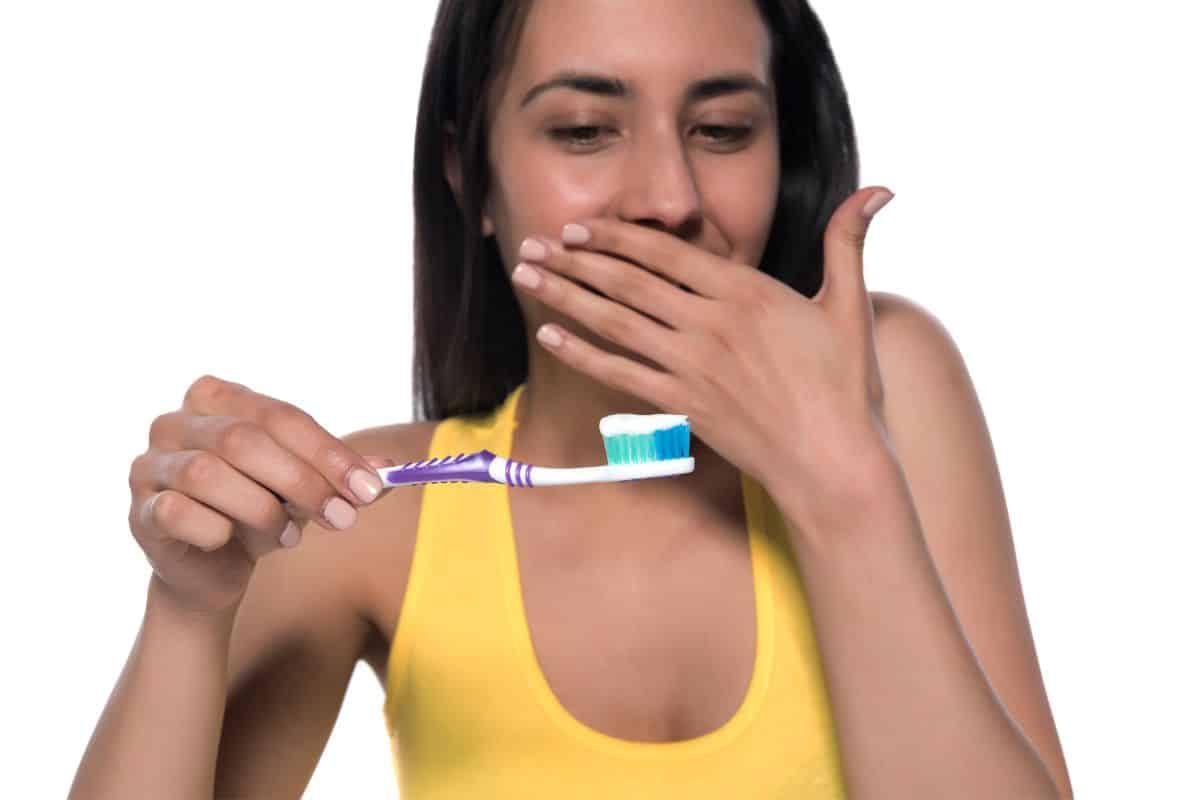
You brushed. You flossed (mostly). You even popped a mint on the way in.
Then a friend leans in to talk, and you catch yourself turning your head, just a little.
If that feels familiar, you’re not alone, and you’re not doing anything wrong. Bad breath with braces is one of the most common worries we hear from teens, parents, and adults across Centennial. The good news? It almost always has a simple, fixable cause.
Once you know what’s hiding around your brackets, fresh breath gets a lot easier. Let’s walk through it together.
Why Bad Breath With Braces Happens Even When You Brush
Bad breath with braces happens when food particles and plaque collect around brackets, wires, and bands. Bacteria feed on that buildup and release smelly sulfur gases. Regular brushing often misses these tight spots, so the odor can return within hours, even when your teeth feel clean.
Brackets and wires create hiding spots
Every bracket is a tiny ledge. Every wire is a bridge where food can slip underneath and stay put. Soft foods like bread, cheese, and chips love to wedge in. That’s why food stuck in braces is the number one reason breath turns sour between meals.
Your toothbrush bristles simply can’t reach every corner of every bracket in one pass.
Plaque turns into odor
Plaque is a sticky film of bacteria. When it sits on enamel and along the gumline, those bacteria break down leftover food and give off sulfur compounds. That’s the smell you notice.
It also explains bad breath after brushing with braces. A quick brush clears the surface but leaves the film hiding under the wire.
Your tongue and a dry mouth join in
Bacteria also live on the back of your tongue. Mouth breathing makes things worse, and it’s common when your lips feel tight around new braces. Less saliva means less natural rinsing, so odor gets stronger. Colorado’s dry air can add to this.
Elastics and appliances hold odor too
Rubber bands, retainers, headgear, and expanders can trap food and absorb smells if they aren’t cleaned daily. Sometimes the odor you’re fighting isn’t coming from your teeth at all.
| DID YOU KNOW? Research shows people in orthodontic treatment tend to build up more plaque than people without braces. That isn’t a failure on your part. Braces simply make the cleaning job harder, so your routine needs a few upgrades. |
Why This Matters More Than Just Embarrassment
Let’s be honest. Breath is something nobody wants to ask about. Teens skip answering in class. Adults dodge close conversations before big meetings. Parents quietly wonder if their child’s routine is working.
But there’s a bigger reason to take it seriously. Odor is often the first signal that plaque is sitting too long. Fixing it early protects your smile result, not just your confidence.
Healthy gums and strong enamel also support steady tooth movement and good bite alignment. Clean teeth make treatment smoother.
The Hidden Risks of Ignoring Bad Breath During Treatment
A little odor isn’t an emergency. But when plaque stays on teeth for weeks, it can lead to real problems.
White spots on enamel
Plaque acids pull minerals out of enamel. The result is chalky white spots that often show up when the brackets come off. These are early signs of enamel damage, and they’re much easier to prevent than to fix.
Gum inflammation and gum disease
Red, puffy, or bleeding gums are a warning sign of gingivitis. Left alone, it can move toward gum disease. Swollen gums also make cleaning harder and visits less comfortable.
Tooth decay and cavities
Decay that starts around a bracket can grow quietly. In more serious cases, a tooth may need a filling or even a dental crown. Restorative dentistry is great, but avoiding it is better.
Quick reference: what’s behind your breath, and what helps
| Likely Cause | What You Notice | What Helps |
|---|---|---|
| Food stuck around brackets | Odor soon after meals, visible debris | Interdental brush, water flosser, swish water after eating |
| Plaque along the gumline | Sour taste, red or puffy gums | Angle bristles to the gums, brush 2 minutes, fluoride toothpaste |
| Coated tongue | White or yellow film, strong morning breath | Brush or scrape the tongue gently once a day |
| Dry mouth | Sticky feeling, frequent thirst | Sip water often, limit soda and sports drinks |
| Dirty elastics or appliances | Smell that returns right after brushing | Replace elastics as directed, clean appliances daily |
| Cavity or gum infection | Odor that doesn’t improve in 1 to 2 weeks | Schedule an exam |
How to Prevent Bad Breath With Braces: A Simple Daily Routine
You don’t need a complicated routine. You need the right tools, used consistently. Here’s what we walk our patients through:
- Brush after meals when you can. Aim for two minutes, morning and night, plus a quick brush after lunch. Angle bristles toward the gumline, then clean above and below each bracket.
- Use an interdental brush. These tiny brushes slide under the wire and clean the sides of each bracket where a regular brush can’t.
- Floss once a day. Orthodontic floss or a floss threader gets between teeth and under the wire.
- Add a water flosser. It flushes out debris near brackets. Use it alongside brushing and flossing, not instead of them.
- Rinse with an alcohol-free fluoride mouthwash. Alcohol can dry your mouth and make odor worse.
- Clean your tongue. One gentle pass each day cuts down the bacteria that cause odor.
- Drink water all day. It rinses food away and keeps saliva flowing.
- Go easy on sticky and sugary foods. Caramel, gummies, and soda feed plaque and cling to brackets.
Cleaning on the go
Keep a travel kit in your backpack or car. A small brush, an interdental brush, and a travel-size mouthwash take up almost no room. After lunch, a 60-second clean-up can reset your whole afternoon.
When a professional look makes sense
If the smell hangs around after a week or two of better habits, it’s time to have someone check. We look for loose bands, broken wires, early cavities, and swollen gums. Regular cleanings with your general dentist, usually every six months, remove buildup home care misses.
If cleaning around brackets keeps feeling like a battle, ask us about your options. Some patients do better with clear aligners that come out for brushing and flossing. Others simply need a technique tune-up. Either way, we’ll help you find what fits your mouth and your life.
Orthodontic Care for Fresh Breath, Right Here in Centennial
Families from Centennial, Aurora, Greenwood Village, Littleton, Highlands Ranch, and Parker trust our team with their smiles. We’ve spent more than 25 years caring for local patients, and we know the questions that come up in the first few weeks of treatment.
Breath is one of them. We never make it awkward. We show you exactly where plaque hides and how to clean it, in plain language, at your own pace.
| Tired of Wondering About Your Breath? Get a plan built around your teeth, your braces, and your schedule. Bring your questions, and we’ll show you exactly where food hides and how to clear it. Appointments fill up, so don’t let another week of worry go by. Book Your Complimentary Consultation! |
Bad Breath With Braces: Your Questions, Answered
1. Why does my breath still smell after I brush with braces?
Brushing cleans the flat surfaces, but plaque and food hide under wires and around brackets. Bacteria there keep making odor. Add an interdental brush, floss, and a rinse to reach the spots your toothbrush misses.
2. Is bad breath normal when you first get braces?
Yes, it’s common in the first few weeks. Your mouth is adjusting, you’re learning new cleaning habits, and food catches in new places. It usually improves quickly once your routine is dialed in.
3. How do I get food stuck in braces out without hurting my gums?
Swish water first, then use an interdental brush or water flosser on low. Avoid toothpicks and sharp tools. They can scratch gums or bend wires. If something won’t budge, call us.
4. Can bad breath with braces cause cavities or white spots?
The smell itself doesn’t, but the plaque causing it can. Plaque left on enamel produces acid that can lead to white spots, gum inflammation, and cavities. Treating odor early protects your teeth.
5. Do water flossers help with bad breath and braces?
They can. A water flosser flushes loose food and bacteria from around brackets and under the gumline. Think of it as a helpful add-on to brushing and flossing, not a replacement.
6. What kind of mouthwash is best for braces?
Look for an alcohol-free fluoride rinse. It freshens breath without drying your mouth and helps strengthen enamel. Strong minty rinses can mask odor, but masking isn’t the same as cleaning.
7. How can I tell if my bad breath is something more serious?
If odor lasts beyond one to two weeks of better hygiene, or comes with bleeding gums, swelling, pain, or a bad taste, get checked. Causes like cavities, gum infection, or tonsil issues need a professional look.
8. Should I call my orthodontist or my regular dentist?
Start with whoever is closest to the problem. Loose bands, poking wires, or trapped food around brackets belong with your orthodontist. Cavities, deep cleanings, and gum care belong with your general dentist. Both work best as a team.
Fresh Breath Is Closer Than You Think
Bad breath during treatment feels personal, but it’s really about mechanics. Braces add places for bacteria to settle. The right tools and a few steady habits take those places away.
Keep your enamel strong, keep your gums healthy, and keep smiling. You’re working toward a result worth protecting, and we’re here to help you get there with confidence.