
Can You Get Invisalign If You Have Dental Crowns or Fillings?

You finally decided to do something about your smile. You started picturing straighter teeth by next summer, maybe even booked a few minutes to research Invisalign online. Then you remembered the two crowns from a root canal in your twenties, and the filling you got so long ago you can’t even point to it anymore. The excitement stalls. Does dental work mean the plan is already off the table before it starts?
Here’s the short version: probably not. But the full answer deserves more than a rumor you read in a Facebook comment section, so let’s walk through it properly.
Where the “No Invisalign With Crowns” Myth Comes From
It’s one of the most common questions patients bring into our Centennial office: “I have crowns – can I even do Invisalign?” The confusion makes sense. A lot of outdated information online implies that clear aligners only work on untouched, natural teeth, as if a filling or crown somehow disqualifies you. That’s not accurate for most patients, but the uncertainty keeps people stuck. They stay unhappy with their smile over a rumor nobody ever double-checked with an orthodontist.
The truth is that Invisalign with dental fillings, and even Invisalign with crowns, is one of the most common treatment combinations we see in adult patients. Restorative work and orthodontic work are two different specialties solving two different problems, and in most cases, they work together just fine.
Why Getting This Right Actually Matters
Putting off orthodontic treatment because of a myth has real consequences. Misaligned teeth don’t stay the same while you wait — they can keep shifting, which puts uneven pressure on your bite alignment, wears down enamel unevenly, and can even aggravate the jaw joint over time. Crowded or crooked teeth are also harder to clean properly, which raises the risk of gum disease and further tooth decay around the very restorations you already invested in.
In other words, avoiding Invisalign because of a crown or filling can end up costing you more – in comfort, in oral hygiene, and in the long-term health of your smile appearance – than simply asking the question.
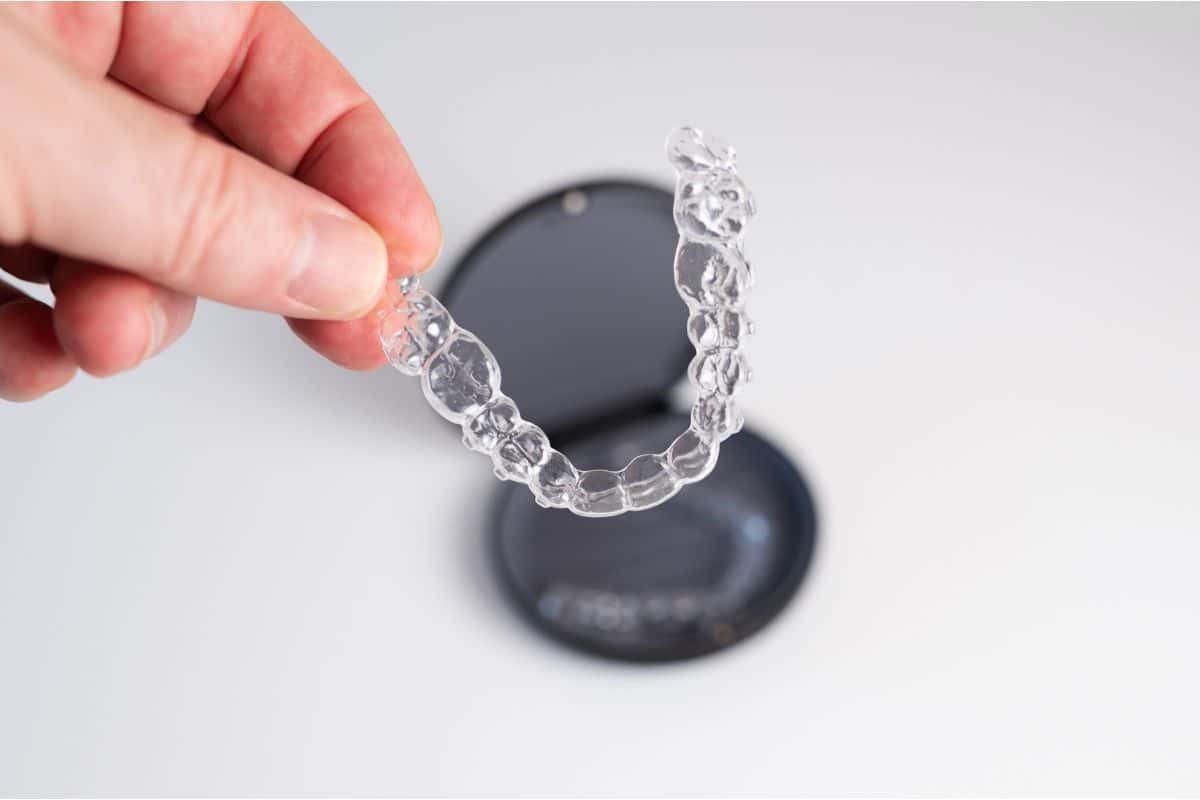
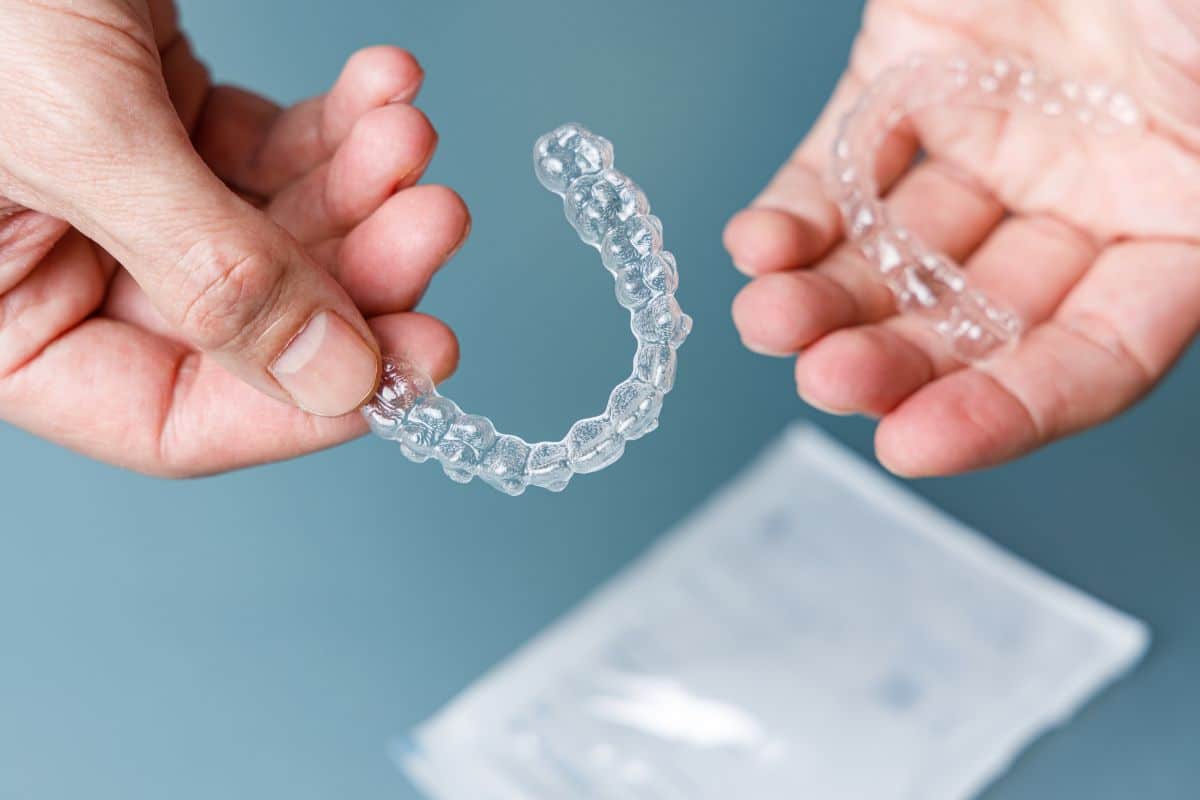
| Did You Know? Invisalign trays are custom-fabricated from a 3D scan of your teeth exactly as they are today – restorations included. Your aligners are built around your dental crowns and fillings, not the other way around. |
What’s Actually Different When You Have Dental Work
Not every restoration is treated the same way, and this is where a little nuance matters. A single tooth-colored filling rarely changes anything about your treatment plan. Multiple crowns clustered together, a very large restoration, or a crown that sits right at the gumline can affect how well an aligner tray seats, which is why your orthodontist checks these details before treatment ever begins.
The main risks aren’t about safety – Invisalign after dental work is considered routine, they’re about fit and timing. A crown’s shape is smoother than a natural tooth, so trays sometimes need small “attachments” (tiny tooth-colored bumps bonded to select teeth) for the aligner to grip properly. Skipping this evaluation, rather than the restoration itself, is what occasionally leads to a poor-fitting tray or a longer-than-expected timeline.
Crowns, Fillings, and Implants: A Quick Comparison
Here’s a general breakdown of how common types of dental work typically interact with clear aligner treatment. Every case still needs an in-person evaluation, but this gives you a realistic starting point.
| Type of Dental Work | Invisalign Compatibility | What to Expect |
|---|---|---|
| Tooth-colored filling | Fully compatible | No special changes to your plan |
| Silver (amalgam) filling | Usually compatible | Reviewed at your scan appointment |
| Single porcelain crown | Usually compatible | Minor fit-check early in treatment |
| Multiple crowns, same arch | Needs evaluation | May use small tooth-colored attachments |
| Root canal–treated tooth | Usually compatible | Structural strength assessed first |
| Dental implant crown | Requires case review | Implants don’t shift like natural teeth |
How Your Orthodontist Actually Plans Around It
This is where working with an experienced provider makes the difference between guessing and knowing. At your consultation, we start with a 3D digital scan that captures every crown, filling, and restoration exactly as it sits in your mouth. From there, your treatment plan accounts for tooth shape, bite alignment, and any restorative work before a single tray is manufactured.
If attachments are needed to help a tray grip a crowned tooth, we place them at the start of treatment, they’re small, tooth-colored, and barely noticeable. Your progress is then monitored at regular check-ins, so if a tray isn’t seating the way we expect around a restoration, it gets caught early instead of derailing your whole timeline.
Proper monitoring is also one of the keys to keeping Invisalign treatment on track. If you’re curious about the common reasons treatment can fall short and what you can do before problems become harder to correct, read our guide to Why Invisalign Treatment Fails And What You Can Do Before It’s Too Late.
Meet Dr. Jason Morris

Dr. Morris has spent 25 years helping Centennial families – kids, teens, and adults – build smiles they’re proud of, including patients with existing crowns, fillings, and restorative work. He’s recognized as a Diamond+ Top 1% Invisalign Provider, and his approach favors clear communication over guesswork: you’ll know exactly what to expect before treatment ever begins. Call us to schedule a consultation with Dr. Morris to find out where your smile stands.
| Not Sure If Your Crowns or Fillings Qualify? A complimentary consultation is the fastest way to find out — no guesswork, no pressure, just a real answer for your smile. Book a complimentary consultation! |
Why Centennial Patients Trust This Process
Signature Orthodontics has served the Centennial community for years, formerly known as Reed & Morris Orthodontics — and that history means we’ve treated thousands of smiles with every combination of dental history imaginable, not just the easy cases. Families from Centennial, Aurora, and the surrounding Denver metro area come to our S. Himalaya Street office because they want a straight answer about clear aligner treatment before they commit to it, whether they’ve had extensive restorative dentistry or none at all.
That reputation shows up in recognition like the Diamond+ Top 1% Invisalign Provider award, Top Dentists 5280 recognition, and a Colorado Parent Family Favorites honor – but more importantly, it shows up in the number of patients who return with their kids, or refer a coworker who also has a crown they were nervous about.
If you’re still researching your options before scheduling, our guide Thinking About Invisalign in Centennial? Read This Before You Book a Consultation covers the important questions to consider before taking that first step.
⭐⭐⭐⭐⭐ David Houghton
My treatment took slightly longer than originally estimated, but I appreciated that they prioritized getting things right instead of rushing to finish. Every adjustment felt carefully planned, and they explained changes clearly each time. The receptionist even remembered I prefer morning appointments and tried saving those slots for me whenever possible. Little details like that make the place feel more personal compared to larger clinics where you feel like another number.
Signs You Should Ask About Invisalign Compatibility First
- You have two or more crowns on the same arch — your treatment plan may include attachments, so it’s worth confirming before you start shopping around.
- You had a filling or crown placed very recently — your dentist may want the restoration fully settled before impressions are taken.
- You have a dental implant — implants don’t move the way natural teeth do, so your case needs a specific plan built around it.
- You’ve been told “no” before without an in-person exam — a second opinion with a 3D scan often tells a different story than a phone call did.
- You’re mainly worried about how attachments will look — ask to see examples; most are far less noticeable than patients expect.
| Ready to Stop Guessing and Get a Real Answer? Bring your questions, your history, and your smile – we’ll tell you exactly what’s possible at your complimentary consultation. Book a Complimentary Consultation! |
Frequently Asked Questions
1. Can you get Invisalign if you have crowns?
Yes, in most cases. A single crown rarely changes your eligibility. Your orthodontist checks the crown’s size, position, and shape during your scan to decide whether small attachments are needed for the tray to fit properly.
2. Does Invisalign work with dental fillings?
Generally, yes. Tooth-colored and silver fillings both typically allow for standard Invisalign treatment. Fillings don’t usually affect tooth movement, since the surrounding tooth structure still responds normally to gentle pressure.
3. Can clear aligners move teeth with crowns on them?
Crowned teeth can move with clear aligners, though movement is monitored more closely. Because a crown covers the natural tooth shape, your orthodontist may adjust attachment placement to make sure the tray applies even, controlled pressure.
4. Is Invisalign safe after a root canal?
Yes, once the tooth has healed and your dentist confirms it’s structurally sound. Root canal-treated teeth can typically be moved like any other tooth, since the treatment addresses the nerve, not the tooth’s outer structure.
5. Do you need special attachments for Invisalign with crowns?
Sometimes. Small, tooth-colored attachments give the aligner tray extra grip on a crown’s smoother surface. Not every crowned tooth needs one — it depends on the crown’s shape and where it sits in your bite.
6. Can you get Invisalign with a dental implant?
This requires a closer case review. Implants are anchored directly into the jawbone and don’t shift the way natural teeth do, so your orthodontist plans treatment around the implant rather than trying to move it.
7. Will Invisalign damage my existing crowns or fillings?
Properly fitted aligners shouldn’t damage well-placed restorations. Trays are custom-molded to your teeth as they currently are, and regular check-ins let your orthodontist catch any fit issues before they become a problem.
8. How do I know if my dental work qualifies for Invisalign?
The only reliable way is an in-person evaluation with a 3D scan. Phone calls and online quizzes can’t assess your bite, crown placement, or restoration history the way a hands-on consultation can.