
Teeth Whitening for Sensitive Teeth: A Comprehensive Guide

If you’ve ever wished for a brighter, whiter smile but hesitated due to concerns about sensitivity, you’re not alone. Teeth whitening is a popular cosmetic procedure, but for those with sensitive teeth, the process can seem daunting. Fortunately, there are ways to achieve a dazzling smile without compromising comfort. This guide will help you understand how to safely and effectively whiten sensitive teeth.
Understanding Tooth Sensitivity
Tooth sensitivity occurs when the protective layer of enamel on your teeth wears down, or when the gum tissue recedes, exposing the underlying dentin. The dentin contains tiny tubules that connect to the nerves inside the tooth. When these tubules are exposed, hot, cold, or even sweet and acidic foods can trigger discomfort. For people with sensitive teeth, teeth whitening products can sometimes exacerbate this sensitivity.
Choosing the Right Whitening Method
- Professional Whitening Treatments
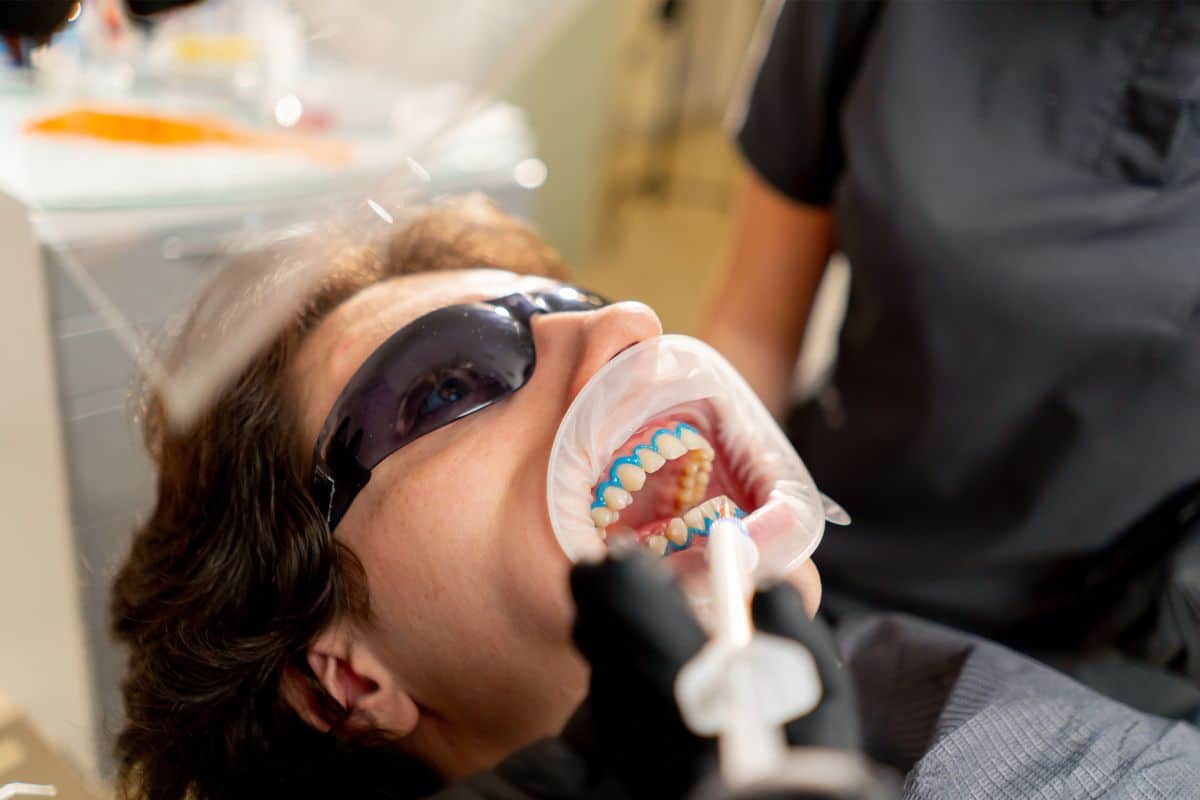
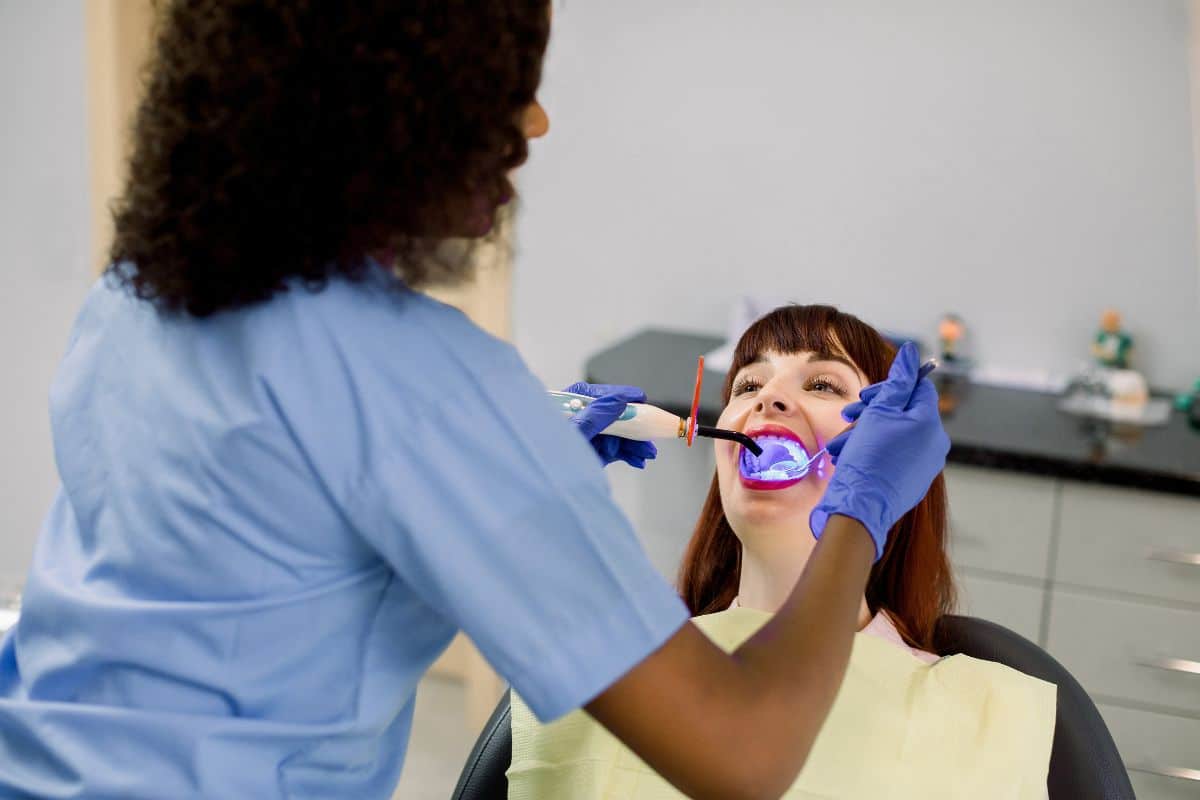
- In-Office Whitening: Dentists use stronger whitening agents that can achieve results faster. Many professional treatments include desensitizing agents to minimize discomfort. This method is often the most controlled and safest for sensitive teeth.
- Custom Trays: Your dentist can create custom-fit trays for at-home use, filled with a lower concentration whitening gel. This method provides gradual whitening with reduced risk of sensitivity.
- In-Office Whitening: Dentists use stronger whitening agents that can achieve results faster. Many professional treatments include desensitizing agents to minimize discomfort. This method is often the most controlled and safest for sensitive teeth.
- Over-the-Counter Options
- Whitening Toothpastes: These contain mild abrasives or low concentrations of whitening agents. They’re less likely to cause sensitivity but may offer more gradual results.
- Whitening Strips: Look for strips specifically designed for sensitive teeth. These products often have a lower concentration of bleaching agents and include ingredients to help reduce sensitivity.
- Whitening Toothpastes: These contain mild abrasives or low concentrations of whitening agents. They’re less likely to cause sensitivity but may offer more gradual results.
- Natural Remedies
- Baking Soda and Hydrogen Peroxide: A mild paste of baking soda and hydrogen peroxide can act as a gentle whitener. However, it’s important to use this sparingly to avoid enamel erosion.
- Activated Charcoal: Some people use activated charcoal to help with whitening. While it’s less likely to cause sensitivity, its effectiveness is still debated, and it should be used with caution.
- Baking Soda and Hydrogen Peroxide: A mild paste of baking soda and hydrogen peroxide can act as a gentle whitener. However, it’s important to use this sparingly to avoid enamel erosion.
Tips for Minimizing Sensitivity
- Choose Desensitizing Products: Look for whitening products formulated with desensitizing agents, like potassium nitrate or fluoride, which can help strengthen enamel and reduce discomfort.
- Follow Instructions: Adhere to the recommended usage times and avoid overuse, which can exacerbate sensitivity.
- Use a Soft Toothbrush: Opt for a soft-bristled toothbrush to avoid further irritation to sensitive teeth.
- Avoid Hot and Cold Foods: After whitening, steer clear of extreme temperatures to give your teeth time to adjust.
- Maintain Good Oral Hygiene: Regular brushing with fluoride toothpaste and flossing can help protect and strengthen your teeth.
Post-Treatment Care
After teeth whitening, your teeth may be temporarily more sensitive. Following these tips can help minimize discomfort:
- Use a Desensitizing Toothpaste: These toothpastes contain compounds that block the transmission of sensation from the tooth surface to the nerve.
- Avoid Staining Foods and Drinks: Red wine, coffee, and berries can stain newly whitened teeth. Limiting these can help maintain your results and prevent sensitivity from worsening.
- Regular Dental Check-ups: Keep up with routine dental visits to ensure your teeth and gums are healthy.
Conclusion
Teeth whitening for sensitive teeth is possible with the right approach. By selecting appropriate products and treatments, and following these tips for minimizing sensitivity, you can achieve a brighter smile while keeping discomfort at bay. Consult with your dentist to find the best whitening solution tailored to your needs, ensuring a safe and effective path to a radiant smile.