

The Top Signs and Symptoms of TMJ Disorder You Shouldn’t Ignore
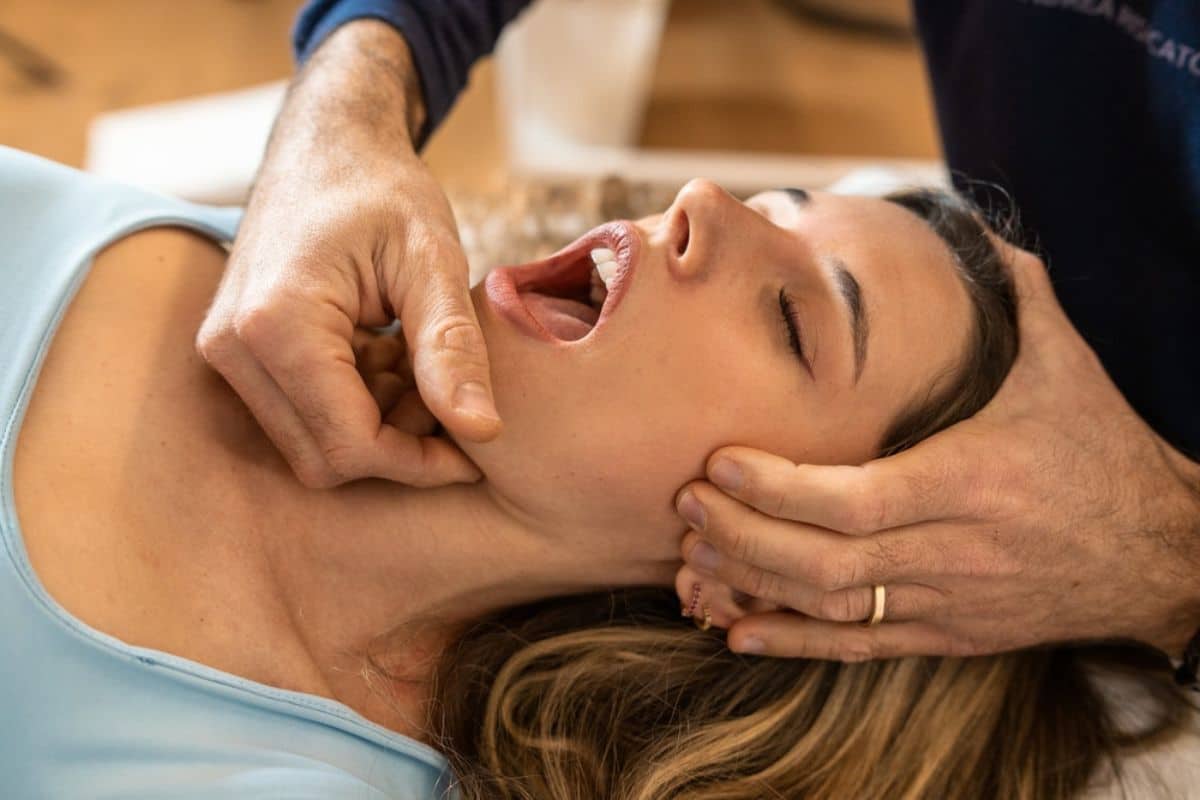
The TMJ disorder causes a lot of pain, and anyone who is suffering from this knows how extreme it can be sometimes. In the first stage, the pain will not bother you much. However, with time, it will become a constant pain that distracts you from every work you must do.
In the initial stage, you might hear popping sounds when you yawn or eat. Eventually, it will progress to regular migraines. Difficulty in eating and chewing will make normal habits like chores. Early detection and TMJ treatment in Aurora will make a lot of difference. Find out how to identify the damage with some signs from a reliable dentist.
What is TMJ?
The temporomandibular joint connects your jawbone to your skull and functions like a sliding hinge, allowing you to talk, chew, and yawn. TMJ disorder occurs when this joint becomes inflamed, misaligned, or damaged, leading to discomfort and difficulty in jaw movement.
While some symptoms may be mild and temporary, others can lead to long-term complications if left untreated.
1. Jaw Pain or Tenderness
Pain in the jaw joint is one of the most common and noticeable signs of TMJ disorder. This discomfort can occur on one or both sides of the face and may worsen when chewing or speaking.
How it feels:
- Dull aching pain
- Sharp or shooting pain when opening the mouth
- Increased soreness in the morning or after eating
2. Clicking, Popping, or Grinding Sounds
If you hear clicking, popping, or grating sounds when you open or close your mouth, this may signal joint dysfunction. While these sounds are not always painful, they shouldn’t be ignored—especially if accompanied by other symptoms.
3. Headaches or Migraines
TMJ issues can contribute to chronic headaches due to muscle tension around the jaw and face. Many people confuse these with sinus or tension headaches, but they often stem from jaw misalignment or clenching.
Where the pain may occur:
- Temples
- Behind the eyes
- Back of the head or neck
4. Ear Pain or Fullness
Since the TMJ is located just in front of your ears, problems with the joint can often feel like an earache or a sense of pressure or fullness in the ears — even though there’s no infection present.
5. Limited Jaw Movement or Locking
If you struggle to open or close your mouth completely, or if it feels like your jaw “locks” in place, this is a serious sign of TMJ disorder.
This limitation can interfere with eating, speaking, and daily activities, and should not be ignored.
6. Facial Pain or Muscle Soreness
TMD can affect more than just the joint. You may feel tightness or fatigue in your jaw, cheeks, neck, or shoulders. This muscle tension is often worse in the morning, especially if you’re unknowingly clenching your jaw or grinding your teeth at night.
7. Uneven Bite or Jaw Misalignment
Changes in how your upper and lower teeth fit together can be a sign that the joint is out of alignment, which often results from or contributes to TMJ issues.
Why You Shouldn’t Ignore These Symptoms
TMJ disorder isn’t just about occasional discomfort—it can lead to chronic pain, sleep disturbances, dental problems, and even long-term joint damage if not properly addressed. Ignoring these signs could result in more invasive treatments down the line.
If you’re noticing one or more of these symptoms regularly, seeking professional help is the best next step.
Getting the Right Help in Aurora, CO
Finding experienced care makes all the difference in managing TMJ-related issues. At Signature Orthodontics in Aurora, CO, the team is equipped to evaluate jaw function and determine the best approach for relief.
If you’re searching for TMJ treatment in Aurora, it’s essential to work with a provider who understands the complexity of jaw alignment and how it affects your overall oral health. An experienced orthodontist in Aurora, CO can assess bite issues, recommend custom appliances, and guide you toward lasting relief without over-reliance on medication or surgery.
Effective Treatment Options for TMJ
While each case is different, common treatments include:
- Custom night guards to reduce teeth grinding
- Orthodontic adjustments to correct bite alignment
- Physical therapy or jaw exercises
- Lifestyle modifications to reduce stress and muscle tension
- Non-invasive therapies, such as ultrasound or cold laser treatments
Early diagnosis is key to minimizing damage and improving outcomes. The sooner you address the problem, the easier it is to manage.
Get Relief From Your Jaw Pain With TMJ Treatment
Are you irritated by the constant jaw pain that holds you back from doing your everyday work? Neglecting the initial signs will only make the circumstances worse. We have many years of experience handling this disorder at Signature Orthodontics Aurora.
You can not overlook the pain and discomfort forever. So, booking a consultation with us for TMJ treatment in Aurora early is your best decision. We are determined to relieve you from the pain and provide personalized services tailored to your needs.