
Why Invisalign Treatment Fails And What You Can Do Before It’s Too Late
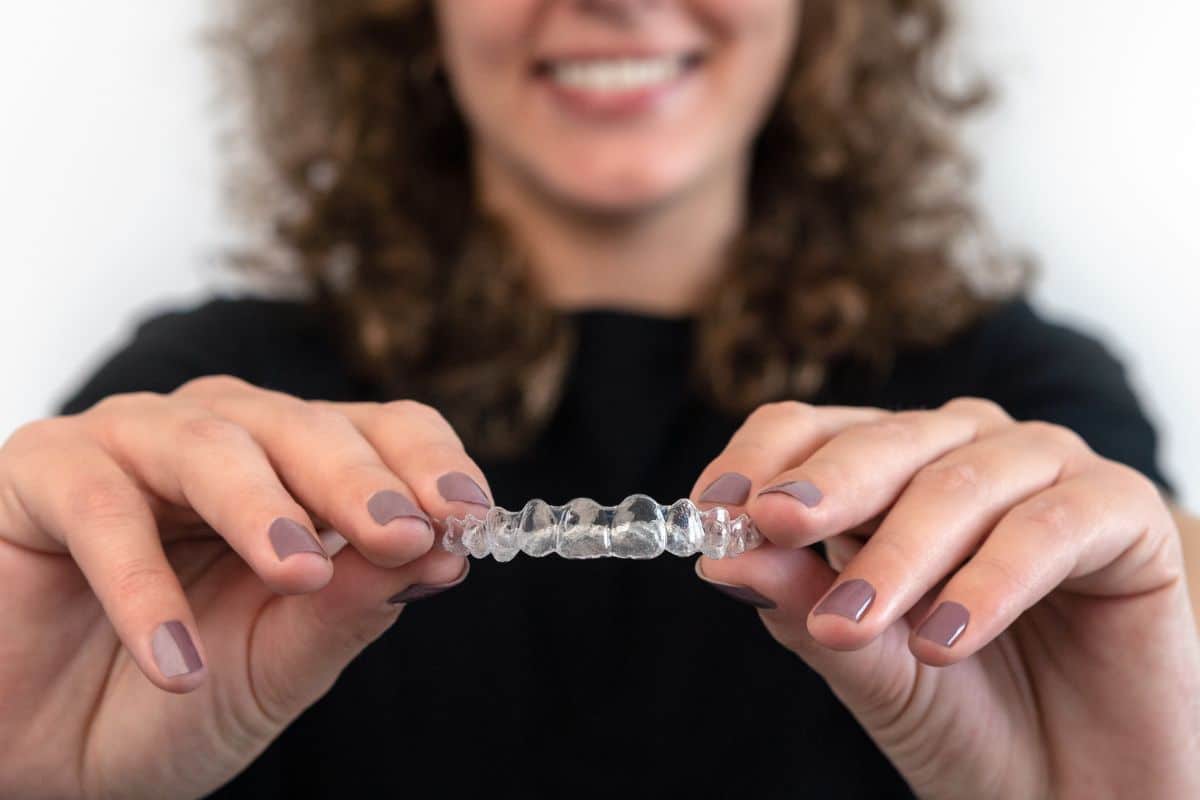
You Followed the Plan. So Why Didn’t Your Invisalign Work?
You wore your trays. You paid for treatment. You followed every instruction. But something didn’t go right and now you’re wondering where it all went wrong.
You’re not alone. It happens more often than most dental offices will admit, and the hardest part? Most of the time, the technology isn’t the problem. Invisalign treatment outcomes are almost always determined by what happens outside the office not inside it.
If you’re considering Invisalign in Aurora or you’re already mid-treatment and feeling nervous this is the honest guide you need.
The Real Reason So Many Invisalign Treatment Outcomes Fall Short
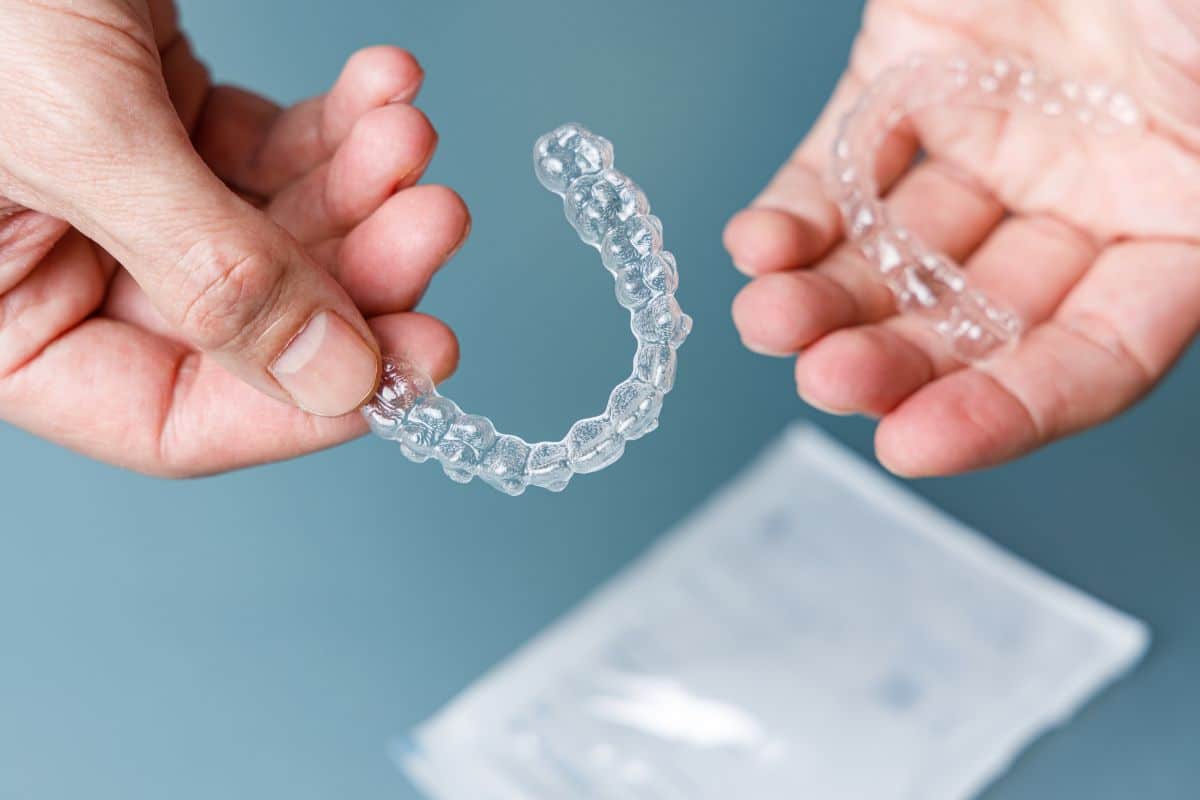
Invisalign works on a simple mechanical principle: sustained, consistent pressure moves teeth into a new position over time. When that pressure is interrupted even briefly, repeatedly the teeth don’t move as planned. And when teeth don’t move as planned, every tray that follows loses accuracy.
Here’s the part no one puts in the brochure: teeth have memory. If you’re inconsistent in the first few weeks of Invisalign treatment, your teeth may not fully settle into each aligner position. The cumulative effect over months of treatment can leave your final result looking nothing like the digital simulation you approved on day one.
The 20–22 Hour Rule Non-Negotiable
Invisalign aligners must be worn 20 to 22 hours every single day. That leaves just 2–4 hours total for meals and oral hygiene. Anything less and you’re not just slowing treatment you’re actively working against it. Every hour your aligners are out of your mouth is an hour your teeth are trying to drift back to where they came from.
Why This Matters More Than Most Invisalign Patients Realize
The consequences of failed or incomplete Invisalign treatment go beyond aesthetics. Your bite alignment affects how your jaw functions, how your enamel wears, and your long-term gum health. Misalignment left uncorrected or only partially corrected can:
- Create uneven pressure on specific teeth, accelerating enamel wear
- Contribute to jaw tension, headaches, and TMJ discomfort
- Make oral hygiene harder, increasing your risk of tooth decay and gum disease
- Require retreatment with more complex procedures, including traditional braces
- Delay your timeline by months and increase overall treatment cost
The smile you wanted is still possible but only when you understand what puts it at risk.
The 6 Biggest Risk Factors for Invisalign Treatment Failure
1. Inconsistent Wear Time
This is the top reason Invisalign fails. Removing your trays for a couple of extra hours each day seems harmless until you’re 8 months in and your teeth still don’t match the current tray. There’s no workaround for inconsistency.
2. Skipping Follow-Up Appointments
Your orthodontist’s monitoring visits aren’t optional check-ins they’re the quality control for your Invisalign treatment. Missed appointments mean undetected tracking issues compound over multiple trays before anyone catches them.
3. Switching Trays Too Early or Too Late
Some patients rush through trays hoping to finish Invisalign faster. Others forget to switch on schedule. Both create problems. Your aligner sequence is engineered to move specific teeth in a specific order disrupting that sequence disrupts results.
4. Lost or Broken Invisalign Attachments
Those small tooth-colored dots bonded to your teeth aren’t decorative. They’re mechanical anchors that allow Invisalign aligners to grip teeth and apply rotational or vertical forces the aligner alone can’t achieve. A lost attachment left unrepaired can derail movement in that area entirely.
5. Poor Oral Hygiene During Treatment
Trapping food particles under your Invisalign trays creates an environment where bacteria thrive against your enamel for hours. Gum inflammation caused by poor hygiene can actually slow tooth movement and complicate your overall oral health alongside treatment.
Keeping your aligners clean is more important than most patients realize. Daily buildup, trapped bacteria, and improper cleaning habits can affect both oral health and aligner clarity during treatment.
→ Read next: “5 Simple Habits That Keep Your Invisalign Aligners Clean and Clear”
6. Choosing the Wrong Invisalign Provider
This one is harder to talk about but it matters enormously. Invisalign has made it easier for any dental office to offer aligner treatment. But not every provider has the same depth of training in biomechanics, staging, and bite correction. When the Invisalign treatment plan is flawed from the start, consistent wear can only do so much.
Who Succeeds vs. Who Struggles with Invisalign: A Practical Comparison
| Factor | Patient Who Succeeds | Patient Who Struggles |
| Wear time | 22+ hrs/day, every day | Removes trays “just for a few hours” |
| Follow-up visits | Never skips | Misses check-ins |
| Tray switches | On schedule | Switches early or late |
| Attachment care | Keeps them intact | Lets them pop off, delays repair |
| Oral hygiene | Brushes after every meal | Puts trays back over food debris |
| Provider selection | Board-certified orthodontist | General dentist or mail-order kit |
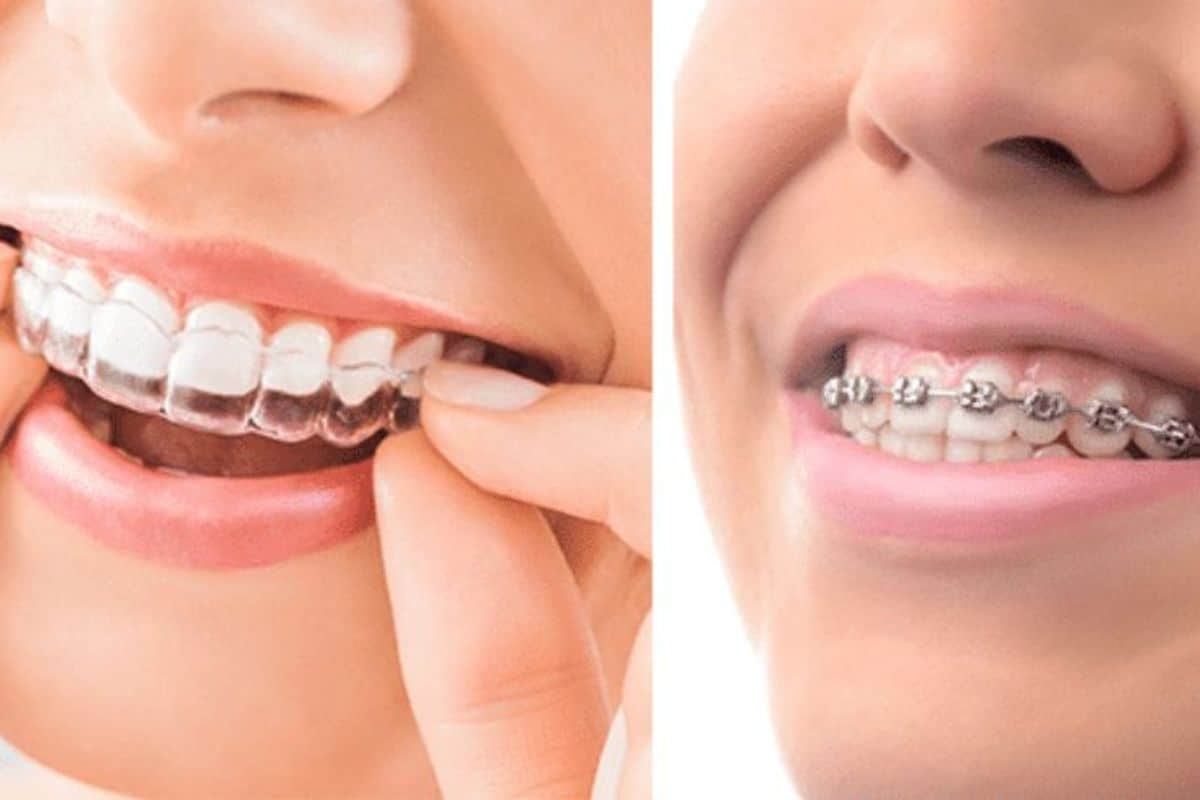
Not every orthodontic patient succeeds with clear aligners and for some lifestyles, traditional braces may actually provide more predictable results. If you’re still deciding between treatment options, understanding how daily habits, discipline, and convenience affect outcomes can help you make a more confident decision.
Read also: “Invisalign vs Braces: Which One Fits Your Lifestyle Better?”
What a Properly Managed Invisalign Treatment Looks Like
Successful Invisalign outcomes don’t happen by accident they’re engineered through a combination of the right clinical design, precise monitoring, and patient commitment.
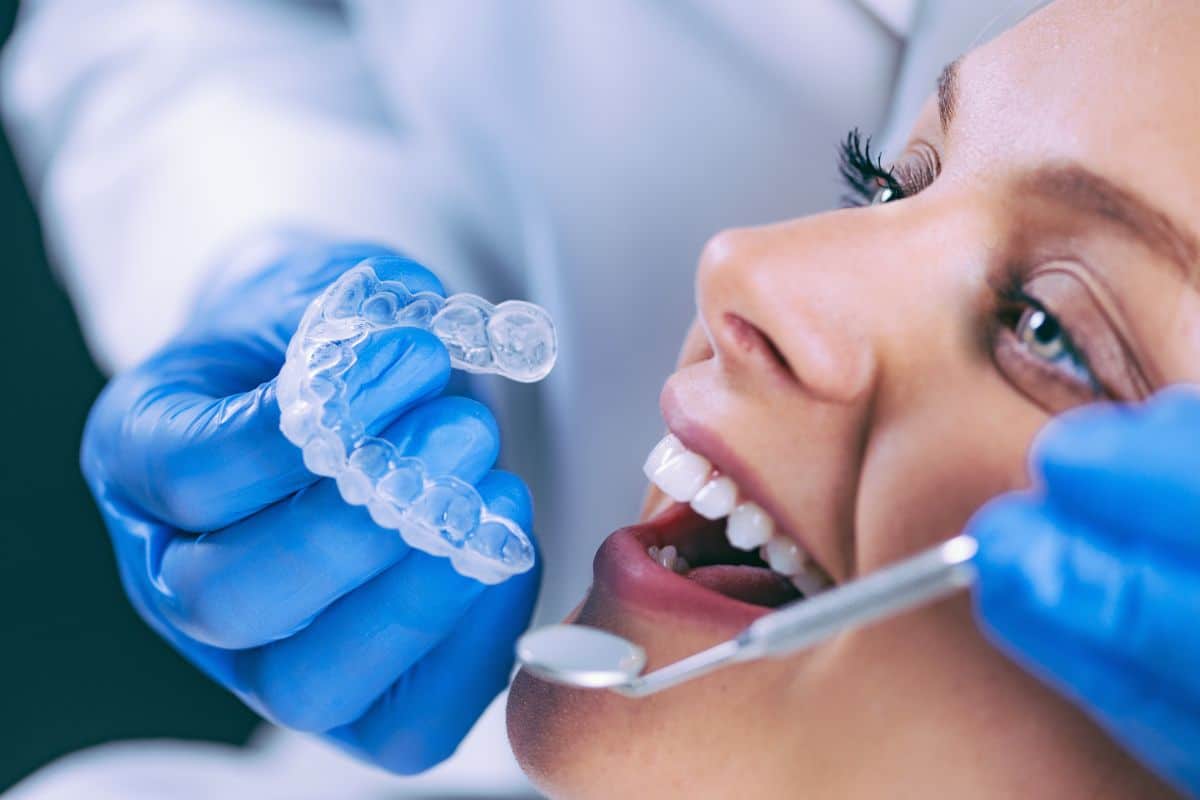
At an orthodontic practice focused on Invisalign therapy, treatment planning goes deeper than a digital scan and a set of trays. It includes:
- 3D bite analysis to map how your upper and lower teeth interact
- Strategic Invisalign attachment placement to enable complex movements
- Interproximal reduction (IPR) when necessary to create space without extractions
- Staged tray sequences that move teeth in the right order
- Regular monitoring to catch tracking issues before they multiply
- Invisalign refinement trays when final results need fine-tuning
Your Invisalign treatment isn’t just handed to you it’s actively managed. That distinction makes all the difference.
Many patients feel overwhelmed because they only hear about aligners in pieces trays, attachments, refinements, retainers without understanding how the full process works together. Seeing the complete Invisalign journey step-by-step can make treatment expectations far clearer and less intimidating.
→ Explore: “Your Path to Straighter Teeth: The Invisalign Journey”
Not Sure If Your Invisalign Is Tracking Correctly?
Aurora patients trust Signature Orthodontics for honest, experienced Invisalign evaluations whether you’re starting fresh or concerned about your current treatment. Book a Consultation now!
Why Aurora Patients Choose Signature Orthodontics for Invisalign
If you’re searching for Invisalign in Aurora, the difference in outcomes often comes down to the experience and oversight your orthodontist brings. Aurora is a growing community with plenty of dental options but orthodontics is a specialty for a reason.
Patients across the Aurora area from the neighborhoods around E Iliff Ave to families near Hampden come to Signature Orthodontics specifically because they want their Invisalign treatment done right the first time, not corrected after the fact
The Signature Orthodontics Aurora Difference:
- Dedicated orthodontic specialty practice not a general dentistry add-on
- In-depth Invisalign digital treatment planning before your first tray
- Regular progress monitoring to catch and correct tracking issues early
- Transparent communication about realistic timelines and expectations
Patients and Trust
“Dr. Morris and his staff are amazing!!! Great with kids, very transparent, and professional!!!”- Tanner Trosper
Patients across Aurora consistently mention the same things about Signature Orthodontics: honest communication, a welcoming atmosphere, and a team that takes time to explain treatment clearly from the beginning. For families exploring Invisalign or clear aligner treatment, that level of transparency can make the entire process feel far less stressful. Read more Google reviews from Aurora orthodontic patients.
Meet Your Aurora Orthodontist

The team at Signature Orthodontics Aurora brings years of focused orthodontic experience to every Invisalign case. Their approach is built on one core belief: compliance and customization together produce results not technology alone. Every patient receives a treatment plan tailored to their bite, lifestyle, and goals. Call us to schedule a consultation today!
Ready to Get Invisalign Right the First Time?
Schedule your consultation at Signature Orthodontics Aurora. We’ll review your smile goals, assess your bite, and give you a clear picture of what real Invisalign results look like.
Key Takeaways: Protecting Your Invisalign Investment
- Wear your Invisalign trays 20–22 hours daily no exceptions
- Never skip monitoring appointments, even when things feel fine
- Replace lost Invisalign attachments immediately
- Always brush before reinserting your trays
- Switch trays exactly on schedule not early, not late
- Work with a certified Invisalign orthodontist, not just any dental provider
- Ask about refinement trays they’re a normal part of comprehensive Invisalign treatment
Frequently Asked Questions
What is the biggest reason Invisalign treatment fails?
The most common reason is inconsistent wear. Invisalign aligners must be worn 20–22 hours daily to move teeth on schedule. Even a few hours of daily skipping can delay or prevent results entirely.
Can Invisalign fail even if I wear my trays consistently?
Yes. Other factors missed check-up appointments, lost attachments, skipping retainer wear after treatment, or an overly aggressive treatment plan can all undermine Invisalign outcomes regardless of wear time.
How do I know if my Invisalign treatment is working?
Your teeth should feel snug when you switch to a new Invisalign tray. If trays feel loose immediately or teeth aren’t tracking the aligner shape, contact your orthodontist you may need refinements.
Is Invisalign in Aurora different from other cities?
The Invisalign system is the same everywhere, but outcome quality depends heavily on your provider’s training, monitoring frequency, and how well they customize attachments and treatment staging for your specific bite.
What happens if my Invisalign treatment doesn’t work?
Your orthodontist will typically take new impressions and create Invisalign refinement trays. Severe cases may require traditional braces to correct. Catching issues early at routine appointments prevents more extensive corrections.
How long does Invisalign take in Aurora?
Most mild-to-moderate cases take 12–18 months. Complex bite or spacing issues can take 24 months or more. Skipping appointments or inconsistent wear extends Invisalign timelines significantly.
Does diet affect Invisalign outcomes?
Indirectly, yes. Putting trays back in over food debris increases bacteria, weakens enamel, and can damage the aligner material. Always brush before reinserting trays.