


The One Mistake Parents Make Before Seeing an Orthodontist And Why Waiting Can Make Things Harder
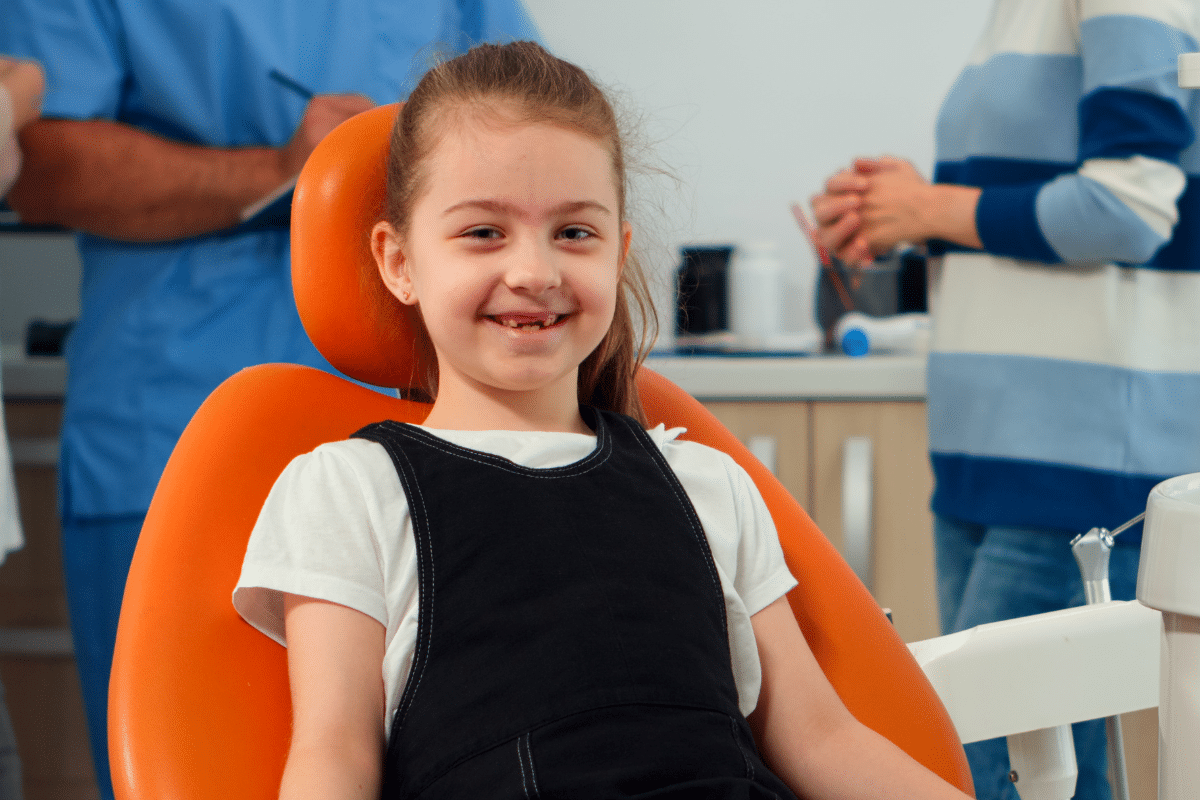
When a child’s teeth look mostly fine, it’s easy to assume there’s no rush.
That’s exactly why so many parents delay scheduling an orthodontic evaluation.
Maybe the baby teeth are still falling out. Maybe the crowding seems minor. Maybe friends say, “They’ll grow into it.” And in busy households around Centennial, orthodontic appointments often get pushed behind school schedules, sports, and everyday life.
But the #1 mistake parents make before taking their child to an orthodontist is waiting until all the permanent teeth come in before getting an evaluation.
By the time obvious bite alignment problems appear, treatment can become more complicated, longer, and sometimes more uncomfortable for children.
An early orthodontic visit doesn’t automatically mean braces right away. In many cases, it simply helps identify developing problems before they affect oral health, jaw growth, enamel wear, or confidence.
Why Early Orthodontic Evaluations Matter More Than Most Parents Realize
Many orthodontic problems begin quietly.
Children rarely complain about bite alignment issues because they assume the way they chew, bite, or breathe feels normal. Parents often don’t notice subtle signs either especially when teeth appear relatively straight at first glance.
An early evaluation with an orthodontist for kids helps identify issues such as:
- Crowded teeth
- Jaw growth imbalance
- Crossbites
- Thumb-sucking effects
- Mouth breathing habits
- Protruding teeth
- Speech-related bite concerns
- Early enamel wear
- Impacted teeth risks
The American Association of Orthodontists recommends children have an orthodontic evaluation by age 7. That surprises many parents because most children still have baby teeth at that stage.
The reason is simple: jaw development is easier to guide while children are still growing.
The Common “Wait and See” Mindset That Causes Problems
Parents often hear things like:
- “Baby teeth don’t matter.”
- “They’ll straighten naturally.”
- “We’ll deal with braces later.”
- “It’s too early.”
Sometimes waiting is appropriate. But assuming everything will correct itself without professional monitoring can allow small issues to become bigger ones.
For example, mild crowding in second grade can eventually lead to:
- Difficulty cleaning teeth properly
- Higher tooth decay risk
- Gum irritation
- Uneven enamel wear
- Bite imbalance
- Speech concerns
- Greater need for tooth extractions later
In some cases, delayed orthodontic care can even contribute to jaw discomfort or increased risk of dental injuries to protruding front teeth.
Signs Your Child May Need an Orthodontic Evaluation Earlier Than You Think
Not every orthodontic issue is obvious. Some signs are subtle and easy to overlook.
Watch for these early indicators:
- Teeth that overlap or twist
- Difficulty chewing food
- Mouth breathing
- Frequent biting of cheeks
- Early or late loss of baby teeth
- Thumb sucking after age 4
- Jaws that shift when biting
- Speech difficulties
- Teeth that don’t meet correctly
- Noticeable crowding
- Grinding during sleep
Parents searching for a kids orthodontist Centennial families trust often begin after noticing one small concern that gradually becomes more obvious over time.
Interestingly, many orthodontic concerns that begin in childhood can continue into adulthood if left untreated. Some bite alignment problems are subtle at first and easy to overlook. Learn more about the common warning signs orthodontic treatment may be needed and what adults often ignore before problems worsen.
What Happens If You Wait Too Long?
Delaying treatment doesn’t always create major problems but it can reduce treatment options.
Here’s a simple comparison:
| Early Monitoring | Delayed Evaluation |
| Growth guidance possible | Less jaw growth flexibility |
| May reduce future treatment complexity | More extensive correction later |
| Easier bite development monitoring | Existing problems may worsen |
| Lower risk of severe crowding | Greater chance of extractions |
| Helps protect enamel and oral hygiene | Increased wear and cleaning difficulty |
Orthodontic treatment is not only about smile appearance. Bite alignment affects long-term oral health, chewing function, speech, and even daily comfort.
When teeth overlap significantly, children may struggle to clean certain areas properly, increasing risks for plaque buildup, tooth decay, and gum disease.
The Emotional Side Parents Don’t Always Expect
Children notice more than adults think.
Some kids become self-conscious about crowded teeth or jaw appearance earlier than parents realize. Others avoid smiling in school photos or feel embarrassed during social situations.
Even more importantly, children who struggle with chewing or speech difficulties can experience frustration that affects confidence over time.
Addressing orthodontic concerns early can help children feel more comfortable physically and emotionally as they grow.
What an Early Orthodontic Visit Actually Looks Like
Many parents fear an evaluation means immediate braces.
That’s rarely the case.
At Signature Orthodontics, an orthodontic consultation is designed to feel straightforward, informative, and comfortable for both parents and children. The orthodontist evaluates:
- Tooth eruption patterns
- Jaw development
- Bite alignment
- Spacing and crowding
- Oral habits affecting growth
- Overall oral health
Sometimes the recommendation is simply periodic monitoring.
Other times, early intervention may help guide jaw growth or prevent more complex problems later.
An experienced orthodontist Centennial families rely on can explain whether treatment is necessary now, later, or not at all.
One of the biggest questions parents ask after an evaluation is how long orthodontic treatment may eventually take. The answer depends on growth, bite alignment, and the complexity of the case. Understanding orthodontic treatment stages early can help families feel more prepared and confident about future care.
Patient Trust & Experience
Parents often feel a sense of relief after finally scheduling that first orthodontic consultation especially when they realize the process is more supportive and flexible than they expected.
One Google reviewer, Marie Shols, shared:
Dr Morris and team are awesome! The experience with my son has been great from the start. My son has been able to get appointments that fit into his sports and academic schedule through the entire process.
Experiences like this matter to busy families in Centennial. Between school, extracurricular activities, and packed schedules, parents want orthodontic care that feels manageable and family-friendly not stressful or disruptive.
For many families, having a team that communicates clearly, works around real-life schedules, and helps children feel comfortable can make the entire orthodontic journey feel far less overwhelming. Families considering early orthodontic care can also read more Google reviews to learn how other local parents describe their experience with the team at Signature Orthodontics Centennial.
Why Centennial Parents Are Scheduling Earlier Evaluations
Families throughout Centennial and nearby communities are becoming more proactive about preventive oral health.
Instead of waiting until severe crowding develops, many parents now seek early orthodontic evaluations to:
- Prevent worsening bite problems
- Protect enamel and oral hygiene
- Reduce future treatment complexity
- Monitor jaw growth
- Improve long-term smile development
This shift reflects a larger understanding that orthodontics is connected to overall oral health not just cosmetics.
If you’ve started noticing subtle changes in your child’s bite, spacing, or smile development, calling early can help you better understand what’s normal growth and what may benefit from monitoring. Families can call us to schedule a consultation and learn more about their child’s orthodontic development in a supportive, low-pressure environment.
When Should Parents Schedule an Orthodontic Evaluation?
A good rule is simple:
If you’re wondering whether your child should see an orthodontist, it’s probably worth scheduling an evaluation.
Early consultations provide clarity. Even if treatment is years away, knowing your child’s developmental timeline can help you avoid surprises later.
And in many cases, peace of mind alone makes the appointment worthwhile.
FAQs About Orthodontic Evaluations for Kids
What age should a child first see an orthodontist?
Most experts recommend an orthodontic evaluation around age 7. This allows orthodontists to monitor jaw growth and identify developing bite alignment issues early.
Does an early orthodontic visit mean my child needs braces?
No. Many children only need monitoring. Early visits help determine whether treatment may be beneficial later.
Can children outgrow crowded teeth naturally?
Mild spacing changes can happen during growth, but significant crowding usually does not correct itself without orthodontic guidance.
Are orthodontic issues only cosmetic?
No. Bite alignment problems can affect oral hygiene, chewing, speech, enamel wear, and long-term oral health.
What are signs my child may need orthodontic care?
Common signs include crowding, mouth breathing, thumb sucking after age 4, chewing difficulty, speech changes, and uneven bite patterns.
How long does orthodontic treatment usually take?
Treatment length varies depending on the child’s age, growth stage, and severity of alignment concerns. Some early interventions are shorter than full adolescent treatment.
Is it better to wait until all baby teeth fall out?
Not always. Some orthodontic problems are easier to address while a child is still growing.
How do I choose the right orthodontist for kids?
Look for an office experienced with children, focused on communication, and committed to explaining treatment options clearly and comfortably.
Final Thoughts
The biggest mistake many parents make is assuming they should wait until orthodontic problems become obvious.
By then, opportunities for simpler early intervention may already be gone.
An early orthodontic evaluation can help protect your child’s oral health, support healthy bite alignment, and give your family clarity about what comes next without unnecessary pressure.
If you’ve noticed subtle crowding, bite concerns, or changes in your child’s smile, now may be the right time to schedule a consultation and learn more about their development.
See what local families are saying on Google reviews, or schedule a consultation with the team at Signature Orthodontics to better understand your child’s orthodontic needs.