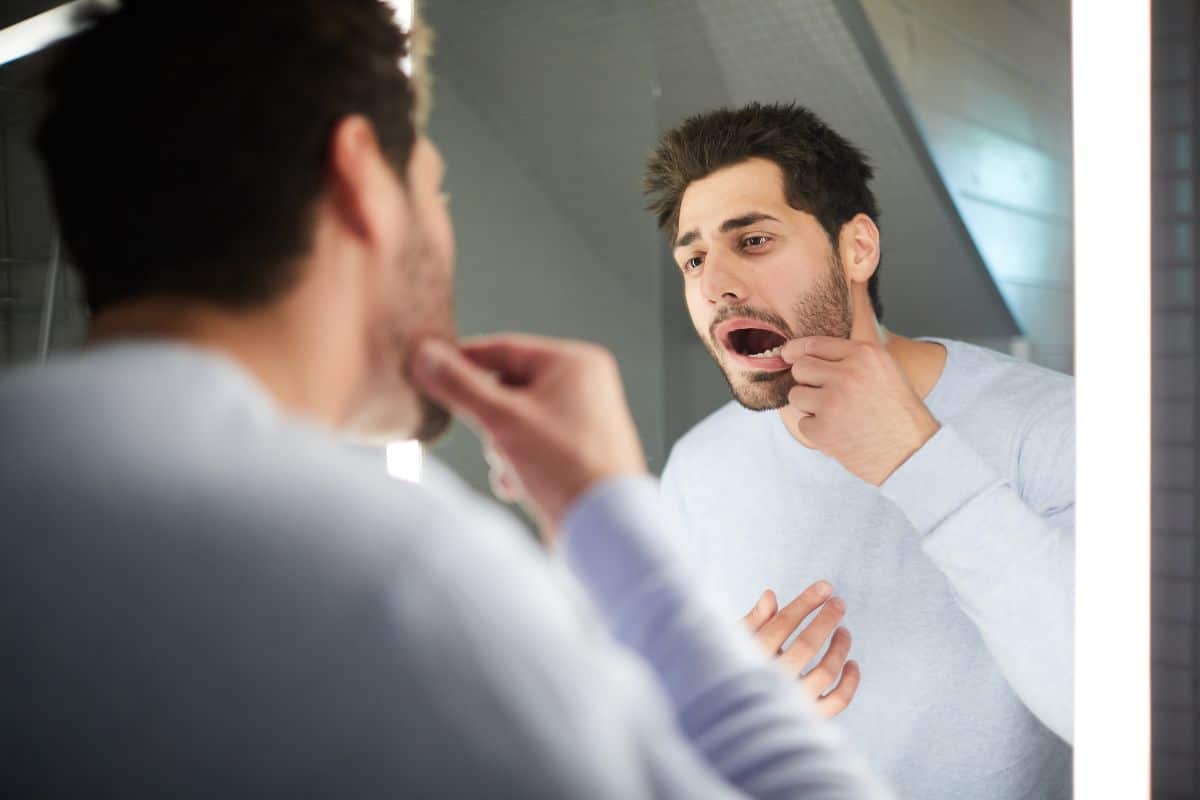

What Are the Signs You Need Orthodontic Treatment? 7 Warning Signals Adults Shouldn’t Ignore
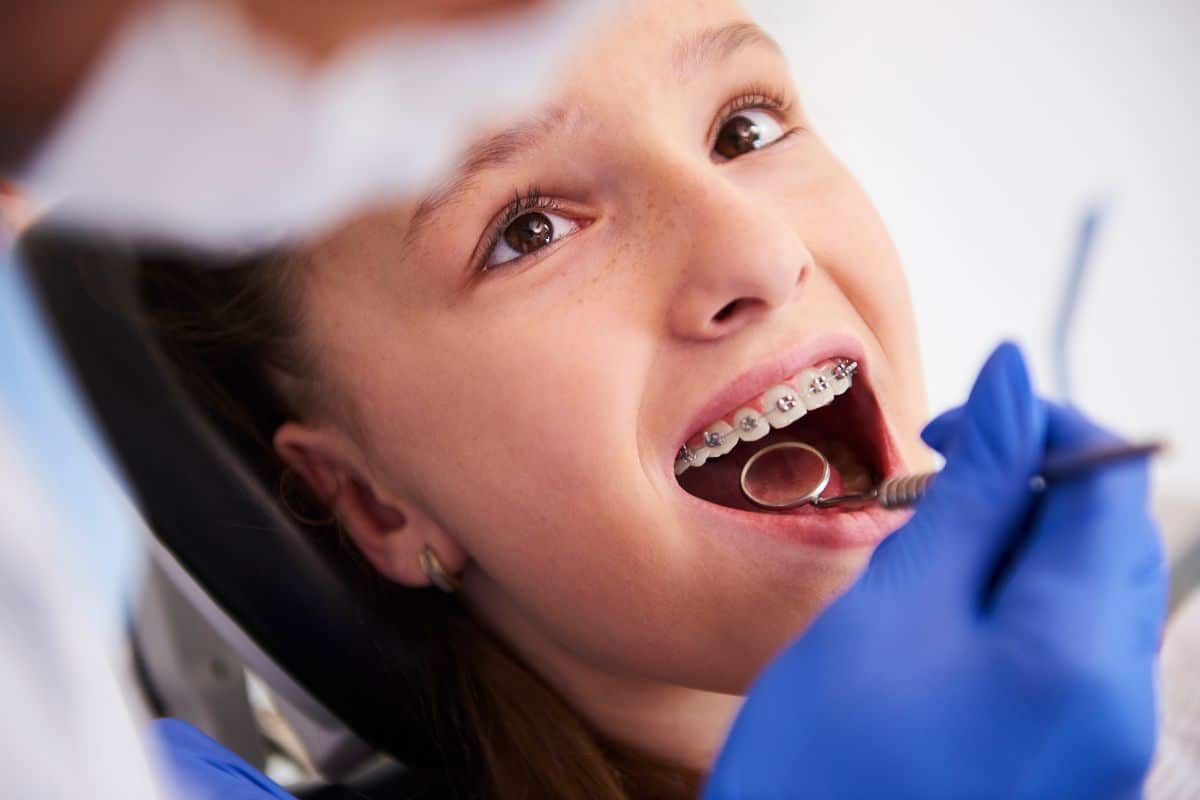
Signs you need orthodontic treatment include crooked or crowded teeth, bite problems, jaw pain, speech issues, and difficulty cleaning teeth properly. Even adults can benefit from orthodontic care to improve oral health, function, and long-term dental stability.
Orthodontic issues aren’t just cosmetic they can affect how you chew, speak, and maintain oral hygiene. If you’re noticing subtle changes in your teeth or bite, it may be time to consider a professional evaluation.
What Is Orthodontic Treatment?
Orthodontic treatment focuses on correcting misaligned teeth and jaws using appliances like braces or clear aligners. The goal is to improve both function and appearance, ensuring your bite works properly and your teeth are easier to maintain.
Why Orthodontic Treatment May Be Needed
Orthodontic problems can develop due to genetics, aging, or lifestyle habits. Left untreated, they may lead to:
- Increased risk of tooth decay and gum disease
- Uneven wear on teeth
- Jaw discomfort or TMJ issues
- Difficulty chewing or speaking
- Reduced confidence in your smile
Adults in growing communities like Centennial are increasingly seeking orthodontic evaluations not just for aesthetics, but for long-term oral health.
7 Signs You Need Orthodontic Treatment
1. Crooked or Crowded Teeth
One of the most common crooked teeth symptoms is visible misalignment or overlapping teeth.
Why it matters:
- Harder to clean properly
- Higher risk of plaque buildup
- Increased chance of gum disease
2. Frequent Biting of Cheeks or Tongue
If you often bite the inside of your cheeks or tongue while eating, it may indicate misaligned teeth.
This could signal:
- Improper tooth positioning
- Bite imbalance
3. Difficulty Chewing or Biting Food
Struggling to chew evenly or comfortably is a key bite problems symptom.
Watch for:
- Food getting stuck frequently
- Uneven pressure when biting
- Jaw shifting while chewing
4. Jaw Pain, Clicking, or Tension
Persistent jaw discomfort or clicking sounds can be related to misalignment.
Possible causes:
- Uneven bite forces
- Temporomandibular joint (TMJ) stress
5. Gaps Between Teeth
Spacing issues aren’t just cosmetic they can affect gum health and tooth stability.
Risks include:
- Food trapping
- Gum irritation
- Bone loss over time
6. Teeth That Don’t Meet Properly (Malocclusion)
If your upper and lower teeth don’t align correctly, you may have a bite issue such as:
- Overbite
- Underbite
- Crossbite
- Open bite
These are classic bite problems symptoms that often require orthodontic correction.
7. Speech Difficulties or Changes
Misaligned teeth can affect how you pronounce certain words.
Common signs:
- Lisping
- Difficulty with “s” or “th” sounds
If you’re noticing multiple symptoms, you might be wondering whether it’s time to consult a specialist. This guide on when to see an orthodontist for crooked teeth or bite problems explains how professionals evaluate alignment issues and what to expect during your first visit.
When Should Adults See an Orthodontist?
You should consider an evaluation if:
- You notice any of the signs above
- Your teeth have shifted over time
- You experience jaw discomfort
- You had orthodontic treatment in the past but lost retention
In areas like Centennial, many adults are opting for discreet solutions such as clear aligners, making treatment more convenient than ever.
What Happens During Orthodontic Treatment?
Step-by-Step Overview
1. Initial Consultation- Oral exam, X-rays, and digital scans
2. Diagnosis & Treatment Plan- Customized based on your alignment and bite
3. Appliance Placement- Braces or clear aligners
4. Adjustment Phase– Gradual tooth movement over time
5. Retention Phase- Retainers to maintain results
For those considering a more discreet option, clear aligners are a popular choice. If you’re exploring this for a younger family member, this detailed guide to clear aligner treatment for teens walks through the process, expectations, and benefits.
Benefits of Orthodontic Treatment for Adults
- Improved oral hygiene
- Better bite function
- Reduced jaw pain
- Enhanced smile appearance
- Lower risk of future dental issues
Risks and Considerations
While generally safe, orthodontic treatment may involve:
- Mild discomfort during adjustments
- Temporary speech changes
- Risk of tooth decay if oral hygiene is poor
- Treatment duration ranging from months to a few years
Aftercare and Maintenance Tips
To maintain results after treatment:
- Wear retainers as prescribed
- Brush and floss thoroughly
- Attend regular dental check-ups
- Avoid hard or sticky foods (if using braces)
When to Seek a Professional Evaluation
If you’re experiencing signs you need orthodontic treatment, early evaluation can prevent more complex dental issues later.
A local orthodontic consultation in Centennial can help determine:
- Whether treatment is necessary
- Which option suits your lifestyle
- Expected timeline and outcomes
Don’t wait for symptoms to worsen. Call now to speak with our experts and book your consultation today.
Take the Next Step
If you’ve noticed any of these symptoms, consider scheduling a professional orthodontic evaluation. A personalized assessment can help you understand your options and make informed decisions about your oral health without pressure.
SEO FAQs: People Also Ask
How do I know if I need orthodontic treatment as an adult?
If you have crooked teeth, bite issues, jaw pain, or difficulty cleaning your teeth, you may need orthodontic care.
Is orthodontic treatment effective for adults?
Yes, orthodontic treatment works at any age, though treatment may take slightly longer compared to teens.
Are crooked teeth only a cosmetic issue?
No, crooked teeth symptoms can lead to oral health problems like cavities and gum disease.
What are common bite problems symptoms?
Common signs include difficulty chewing, jaw pain, uneven tooth wear, and teeth not aligning properly.
How long does orthodontic treatment take for adults?
Typically between 6 months and 2 years, depending on the complexity of the case.
Does orthodontic treatment hurt?
You may experience mild discomfort initially or after adjustments, but it usually subsides within a few days.
Is it too late to fix my bite problems?
No, it’s never too late. Adults can successfully correct bite problems symptoms with modern orthodontic solutions.