
Why Straight Teeth Don’t Always Mean a Healthy Bite

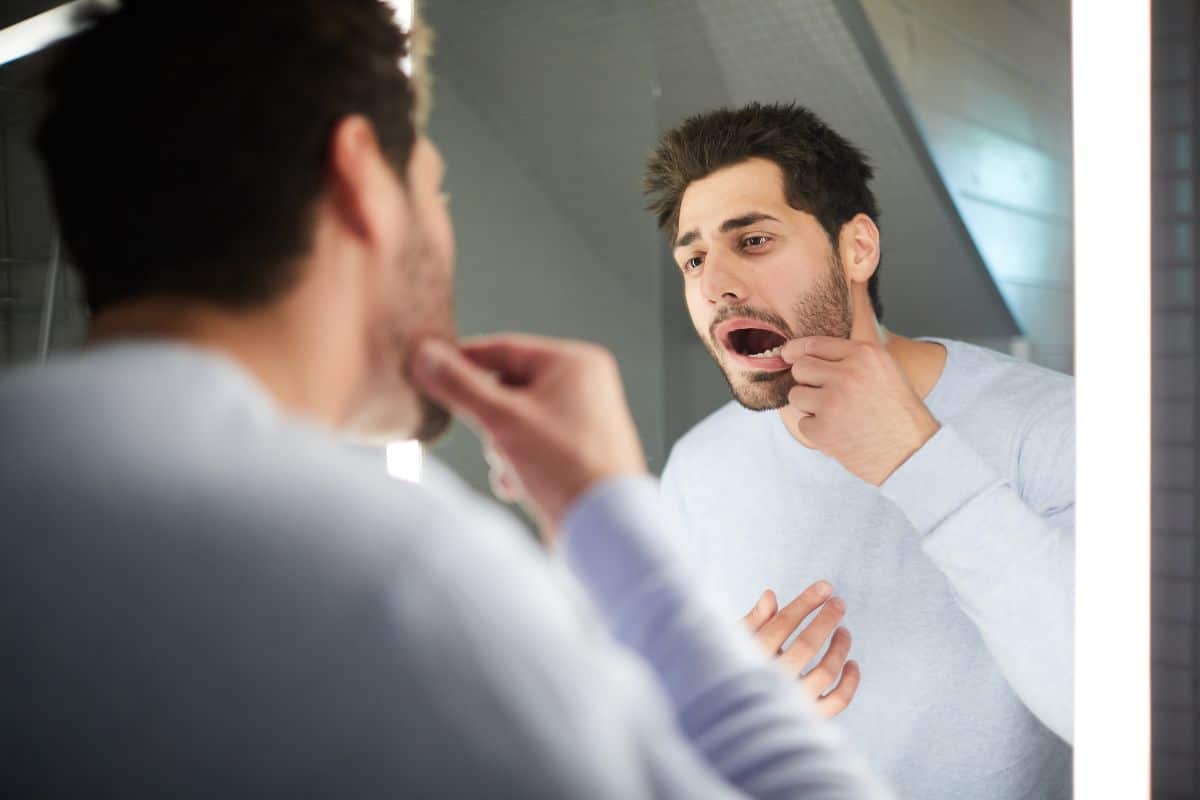
You finally got the braces off. Your teeth line up like something out of a toothpaste ad, and you catch yourself smiling in the rearview mirror more than usual. Then, a few months later, something feels off. Your jaw pops when you yawn. You wake up some mornings with a dull ache along your temples. You start to wonder: didn’t straight teeth mean the job was done?
Here in Centennial, we hear a version of this story more often than you’d expect. Patients who invested years into getting perfectly aligned teeth are surprised to learn that a straight smile and a healthy bite aren’t automatically the same thing. If that gap has ever confused you, you’re not imagining it and you’re not alone.
The Myth: “Straight Teeth Mean a Healthy Mouth”
It’s an easy assumption to make. Most orthodontic marketing shows off symmetrical smiles, so it’s natural to link “straight” with “healthy.” But a bite is about more than how your teeth look side by side. It’s about how your upper and lower teeth, jaw joints, and chewing muscles work together every time you eat, speak, or even just rest your mouth. Straightness is only one part of that picture.
What Bite Alignment Actually Means
Orthodontists use the term “occlusion” to describe how your top and bottom teeth meet when your mouth closes. A healthy bite spreads chewing pressure evenly, lets your jaw joints move without strain, and keeps muscles from overworking. Tooth position matters here, but so does jaw relationship, growth pattern, and muscle balance factors that don’t always show up in a smile photo.
| Did You Know? A healthy bite means your upper and lower teeth meet evenly when you close your mouth, your jaw joints move without strain, and chewing forces are spread out rather than concentrated on a few teeth. Straight teeth can still come together unevenly — which is exactly why alignment and bite health aren’t the same thing. |
Why Teeth Can Look Straight but Still Bite Wrong
Teeth can be repositioned cosmetically without ever correcting the underlying jaw relationship. Genetics, jaw growth patterns, tongue posture, and habits like thumb sucking or mouth breathing all shape how the bite develops — independent of how straight the teeth themselves appear. That’s why a full orthodontic evaluation looks well past the smile line.
Why It Matters: The Real Cost of an Unbalanced Bite
Even a minor bite misalignment, known as malocclusion, can quietly strain the jaw joints, wear down enamel unevenly, and contribute to recurring headaches over time. This isn’t just a cosmetic detail – it’s a functional one, and it tends to show up gradually rather than all at once.
Signs Your Bite May Be Off
- Jaw clicking, popping, or soreness — especially when chewing or opening wide
- Morning headaches or tension — often near the temples or jaw hinge
- Uneven enamel wear — certain teeth wearing down faster than others
- Nighttime teeth grinding — a common response to bite imbalance
- Trouble chewing evenly — favoring one side without realizing it
Not every bite problem causes obvious pain. Some develop so gradually that they’re easy to overlook until they begin affecting your teeth or jaw. Learn more in “Think Your Bite Is Normal? 7 Silent Bite Problems Centennial Families Often Miss.“
| Feature | Straight Teeth (Alignment) | Healthy Bite (Function) |
|---|---|---|
| What it measures | Position and appearance of teeth | How teeth, jaw, and muscles work together |
| Common visible sign | Even, symmetrical smile | Comfortable chewing with no jaw strain |
| Can look fine after treatment | Often, yes | Not guaranteed without a bite evaluation |
| What can go unnoticed | Underlying jaw joint strain | Addressed directly through bite assessment |
| Long-term risk if ignored | Teeth may shift back out of place | TMJ discomfort, uneven wear, headaches |
Even small bite changes can affect how comfortably you chew, speak, and even wake up each morning. If you’re curious how these subtle shifts influence daily life, read “Small Bite Changes, Big Everyday Impact: A Centennial Guide to Lasting Bite Comfort.“
The Risks of Leaving a Misaligned Bite Untreated
Left unaddressed, bite imbalances tend to compound. What starts as occasional jaw soreness can turn into chronic discomfort, disrupted sleep, or dental work that has to be repeated more often than it should.
- Increased risk of TMJ disorders — chronic strain on the jaw joint
- Accelerated tooth wear — uneven forces wear enamel down faster
- Higher chance of cracked or chipped teeth — from concentrated bite pressure
- Sleep disruption from grinding — bruxism is closely tied to bite imbalance
- More complex restorative work later — crowns and fillings under ongoing stress
The Professional Solution: Functional Orthodontics
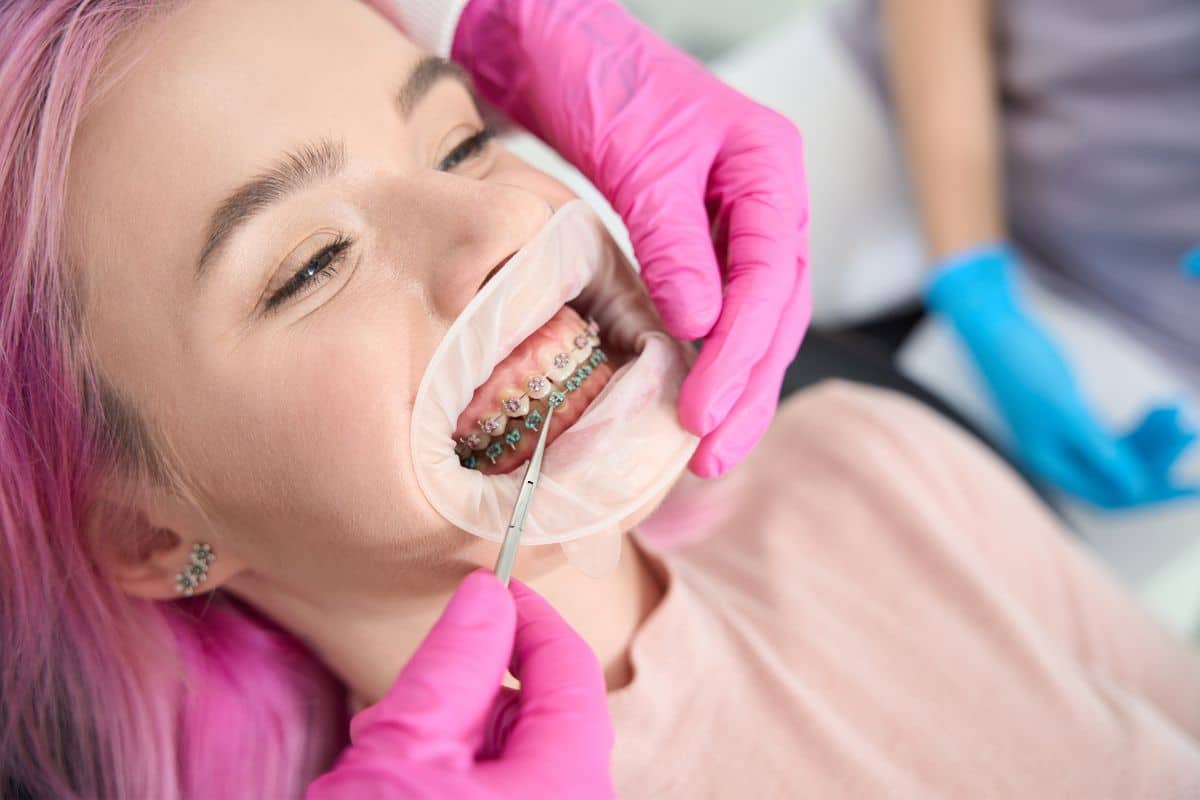
Functional orthodontics looks beyond straightening individual teeth. It evaluates the jaw relationship, growth patterns — especially important in growing patients and muscle balance as part of the treatment plan, not as an afterthought. Depending on the case, that might involve growth guidance appliances, guided aligner therapy, or bite adjustments built into the overall plan.
At Signature Orthodontics, every new patient in the Centennial area receives a full bite assessment as part of their evaluation not just a look at how the teeth line up. The goal is a result that holds up long after treatment ends, not just one that photographs well on day one.
| Not Sure If Your Bite Needs a Closer Look? A complimentary consultation at Signature Orthodontics includes a full bite evaluation — not just a glance at tooth alignment. Find out what’s really going on beneath that smile. Call us to book an appointment! |
Local Authority: Why Centennial Families Trust This Approach
Signature Orthodontics has treated families throughout Centennial from its office on S. Himalaya Street for years — long enough to see how bite-focused treatment plans hold up over time. The practice has been recognized as a Diamond+ Top 1% Invisalign Provider, a Colorado Parent Family Favorites Top 3 Winner, and a Top Dentists 5280 honoree. Recognition like this isn’t the point of good care, but it does reflect a track record built on results that go beyond a straight smile alone.
⭐⭐⭐⭐⭐ Marie Shols
Dr Morris and team are awesome! The experience with my son has been great from the start. My son has been able to get appointments that fit into his sports and academic schedule through the entire process.
Frequently Asked Questions
1. Can my teeth be straight but my bite still be off?
Yes. Tooth position and bite alignment are related but different. Your teeth can appear perfectly straight while your upper and lower jaws still meet unevenly, leading to problems that aren’t visible in the mirror. That’s why a comprehensive bite evaluation is an important part of any orthodontic examination.
2. What causes a bad bite even after braces or Invisalign?
A bite problem can persist or develop due to jaw growth patterns, tongue posture, teeth grinding, or inconsistent retainer wear. While braces and clear aligners straighten teeth, they don’t always address every underlying jaw or muscle imbalance.
3. How can I tell if my bite is misaligned?
Common warning signs include jaw clicking or soreness, morning headaches, uneven tooth wear, teeth grinding, and difficulty chewing evenly on both sides. An orthodontic bite assessment can determine whether these symptoms are related to bite alignment.
4. What is functional orthodontics?
Functional orthodontics focuses on how your teeth, jaw joints, and muscles work together—not just how straight your teeth appear. The goal is to create a bite that is both comfortable and stable for long-term oral health.
5. Can a misaligned bite cause headaches or jaw pain?
Yes. Uneven bite forces can place extra stress on the jaw joints and surrounding muscles, which may contribute to recurring headaches, jaw soreness, facial tension, or clicking when you chew or open your mouth.
6. Does dental insurance cover bite correction treatment?
Coverage depends on your individual insurance plan and diagnosis. Many dental insurance plans provide partial orthodontic benefits when a functional bite issue is documented. Our team can help review your coverage and explain your available benefits.
7. How long does it take to correct a bite alignment problem?
Treatment time varies based on the complexity of the bite issue, the patient’s age, and the recommended treatment approach. Most functional orthodontic treatments take anywhere from several months to approximately two years.
8. Is wearing a retainer enough to maintain a healthy bite?
Retainers help keep teeth in their corrected positions, but they cannot fix underlying jaw or muscle imbalances. If a functional bite problem exists, additional orthodontic evaluation and treatment may be needed to achieve lasting bite health.
| Ready to Find Out What’s Really Going On With Your Bite? Straight teeth are a great start — but a truly healthy smile goes further. Schedule a complimentary consultation with Signature Orthodontics in Centennial and get a complete bite evaluation, not just a look at alignment. BOOK YOUR COMPLIMENTARY CONSULTATION! |