
Think Your Bite Is Normal? 7 Silent Bite Problems Centennial Families Often Miss
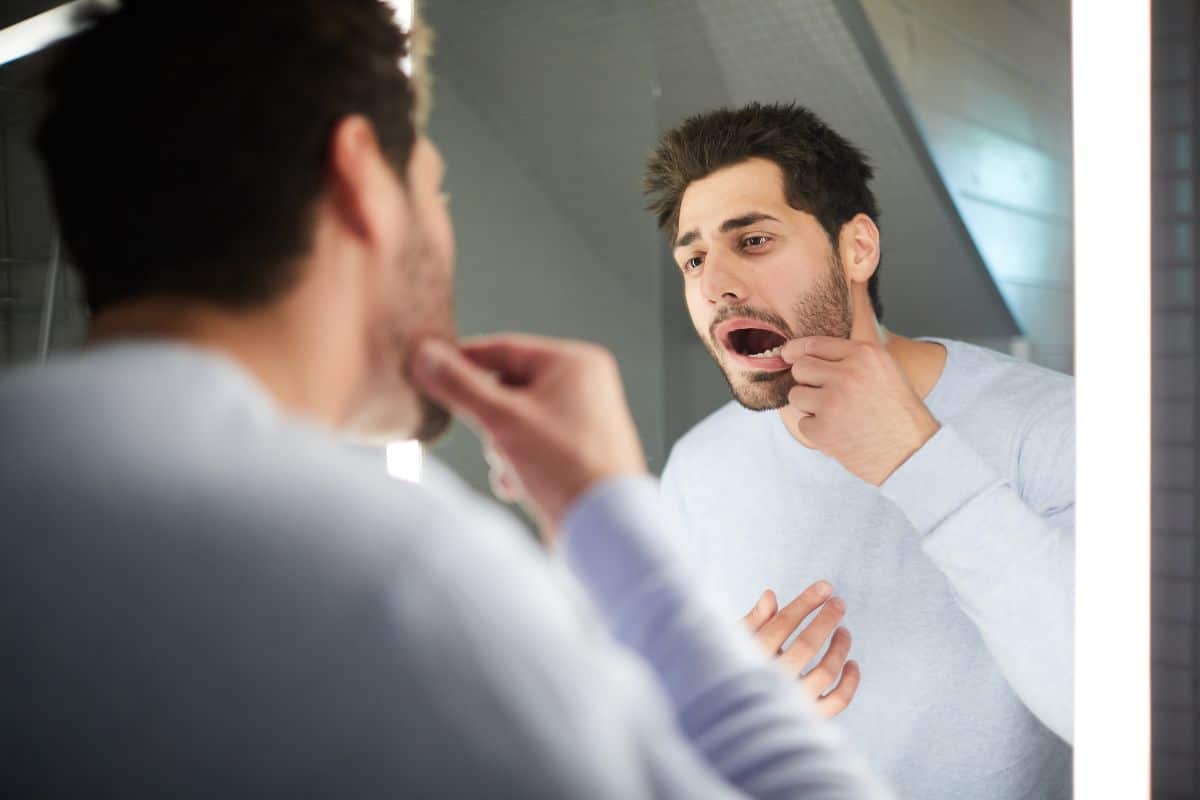
You brush twice a day. You floss (most of the time). Your smile looks fine in photos. So when someone mentions bite problems or the need for orthodontic treatment, it’s easy to assume that’s someone else’s issue—not yours.
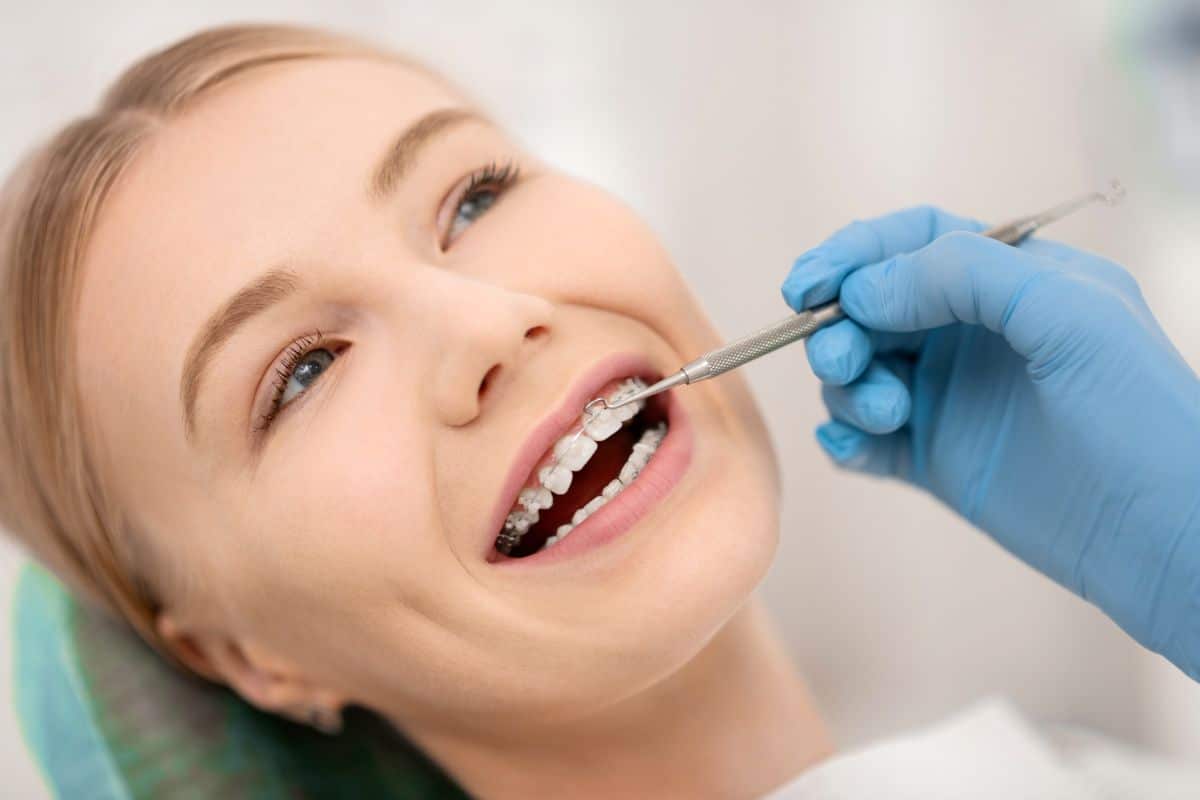
Here’s the uncomfortable truth: most bite problems don’t look dramatic. They don’t scream for attention. They hide behind words like “family trait,” “cute overbite,” or “just how my jaw is built.” By the time they’re finally noticed, they’ve often been quietly wearing down enamel, straining jaw joints, or shifting teeth for years. Many of these malocclusions can be identified much earlier through a routine orthodontic evaluation, helping prevent more complex treatment later.
At Signature Orthodontics in Centennial, we see this pattern constantly. A patient comes in for something else entirely—a chipped tooth, jaw soreness, or a self-conscious moment in a photo—and a routine exam reveals a bite problem that’s been developing since childhood. Whether it’s managed with Invisalign®, traditional braces, or other bite correction treatments, early diagnosis often leads to simpler, more effective care.
This guide walks through the seven bite problems that are most often mistaken for normal teeth alignment issues, so you can tell the difference between a harmless quirk and a sign that it may be time to schedule an orthodontic consultation. If you’ve ever wondered whether an overbite, underbite, or crossbite requires treatment, this overview will help you understand when professional orthodontic care may be beneficial.
Why “Normal-Looking” Teeth Can Still Hide a Bite Problem
Most people assume a bite problem would be obvious — crooked teeth, an oddly shaped jaw, something visible in every photo. In reality, malocclusion signs are frequently subtle. Teeth can look straight from the front while the way they actually meet, chew, and align is off by just a few millimeters.
That gap between “looks fine” and “functions fine” is exactly where jaw alignment problems tend to hide. Teeth are engineered to meet in a specific pattern. When that pattern is even slightly disrupted, the effects show up gradually — not overnight.
Why It Matters More Than It Seems
A bite problem is rarely just cosmetic. Because your bite affects how force is distributed every time you chew, talk, or clench, even a small misalignment can influence your jaw joints, enamel, gum health, and long-term oral health.
Many bite problems develop gradually, making them easy to overlook until they begin affecting your daily life. If you’ve noticed subtle changes like uneven chewing, jaw clicking, or recurring headaches, our guide “Is Your Bite Trying to Tell You Something? What Centennial Patients Are Discovering” explains the early warning signs that many local patients initially dismissed.
| Did You Know? The average person’s teeth touch thousands of times a day between chewing, swallowing, and clenching. If your bite is off by even a small amount, that repeated contact can wear down enamel or strain your jaw joints years before any other symptom shows up. |
The Risks of Leaving a Bite Problem Unchecked
Left alone, teeth alignment issues tend to compound rather than stay still. Here’s what commonly develops over time:
- Uneven enamel wear: certain teeth absorb more chewing force than they were designed for, wearing down faster than the rest.
- Jaw joint (TMJ) strain: a misaligned bite can pull jaw muscles out of their natural rhythm, leading to clicking, popping, or soreness.
- Gum recession or gum disease risk: crowded or shifted teeth create harder-to-clean spaces where plaque builds up.
- Speech and chewing difficulty: certain bite types make it harder to bite through food cleanly or pronounce specific sounds.
- Self-consciousness about smile appearance: many patients don’t realize how much a subtle bite issue affects how confident they feel smiling in photos or at work.
The 7 Bite Problems That Often Pass as “Normal”
These are the malocclusion signs we see most often mistaken for harmless variation — in Centennial and everywhere else.
1. The “Cute” Overbite That’s Actually Skeletal
A slightly smaller chin and front teeth that sit a little ahead of the lower teeth get called endearing — a family resemblance, a childhood photo staple. But when the upper jaw sits meaningfully forward of the lower jaw, that’s a skeletal overbite, and it tends to become more pronounced with age rather than less.
2. The Underbite Everyone Calls a “Strong Jaw”
A lower jaw that extends past the upper teeth is often described as a strong, defined jawline. Functionally, though, an underbite changes how front teeth meet, which can make biting into food surprisingly difficult and puts uneven pressure on the back teeth over time.
3. The Crossbite Mistaken for Uneven Chewing Habits
If you’ve always chewed more on one side, it’s easy to assume that’s just a personal habit. Often, it’s the reverse: a crossbite, where upper and lower teeth don’t line up correctly on one side, makes chewing on that side uncomfortable, so the habit follows the bite problem rather than causing it.
4. The Open Bite Parents Blame on “Just a Phase”
Thumb sucking, pacifier use, and tongue posture habits in childhood can create an open bite, where the front teeth don’t touch even when the back teeth are fully closed. Many parents are told it will correct itself once the habit stops — but the skeletal change it created often doesn’t reverse on its own.
5. Crowded Teeth Written Off as “Just Genetics”
Crowding is genetic in the sense that jaw size and tooth size are inherited — but that doesn’t mean it’s unfixable or purely cosmetic. Overlapping and twisted teeth are harder to clean thoroughly, which raises the risk of tooth decay and gum irritation in the tight spaces between them.
6. The Midline Shift Nobody Notices in Photos
This is one of the most overlooked jaw alignment problems because it’s genuinely subtle: the center point of the upper teeth doesn’t line up with the center point of the lower teeth. It rarely bothers anyone cosmetically, but it can indicate an underlying jaw asymmetry that affects how evenly the bite functions.
7. The Deep Bite That Looks Like a “Perfect Smile”
A deep bite, where the upper front teeth cover most or all of the lower front teeth when biting down, can actually look neat and tidy from the outside. Underneath, it often means the lower teeth are biting into the roof of the mouth or gum tissue with every bite, which can cause quiet, ongoing irritation.
Still wondering which type of bite issue you may have? While this guide introduces the most commonly overlooked bite problems, our article “Overbite, Underbite or Crossbite? What It Means for Your Smile” takes a deeper look at how these conditions differ, what causes them, and the treatment options available.
Bite Problems at a Glance
A quick side-by-side of how these seven bite problems typically present, and why they’re so easy to overlook:
| Bite Problem | What It Often Looks Like | Why It Gets Missed |
|---|---|---|
| Overbite (skeletal) | Small chin, front teeth cover lower teeth | Called “a cute overbite” or a family trait |
| Underbite | Lower jaw juts past upper teeth | Mistaken for a naturally “strong jawline” |
| Crossbite | Upper and lower teeth don’t line up on one side | Blamed on chewing on one side or grinding |
| Open bite | Front teeth don’t touch when back teeth close | Written off as “just a phase” from thumb sucking |
| Crowding | Teeth overlap or twist for space | Assumed to be purely genetic and unfixable |
| Midline shift | Center of upper and lower teeth don’t align | Never noticed outside of close-up photos |
| Deep bite | Upper front teeth cover most of the lower teeth | Seen as a tight, “neat” smile instead of a bite issue |
Patient Trust & Experience
Families across Centennial often tell us the same thing: they didn’t realize their bite was a real, correctable issue until it was pointed out during an exam.
⭐⭐⭐⭐⭐ David Houghton
My treatment took slightly longer than originally estimated, but I appreciated that they prioritized getting things right instead of rushing to finish. Every adjustment felt carefully planned, and they explained changes clearly each time. The receptionist even remembered I prefer morning appointments and tried saving those slots for me whenever possible. Little details like that make the place feel more personal compared to larger clinics where you feel like another number.
Meet Your Orthodontist

Dr. Jason Morris, D.D.S., M.S. leads care at Signature Orthodontics, working with patients of all ages across Centennial. His approach centers on understanding how a bite actually functions — not just how it looks — before recommending a treatment path. Meet Dr. Morris and learn more about your treatment options at your consultation. Schedule an appointment now!
Local, Long-Term Orthodontic Care in Centennial
Signature Orthodontics has worked with Centennial families for years, treating everything from early childhood bite development to adult orthodontic correction. Because bite problems tend to evolve slowly, we place real emphasis on catching malocclusion signs early — before they turn into bigger restorative dentistry needs down the road.
Our team is 85% Invisalign, giving patients a discreet way to correct bite alignment problems without the visible look of traditional metal brackets, alongside traditional braces for cases that need it. Call us to talk to our professionals!
What To Do If You Recognize These Signs
- Pay attention to how your teeth actually meet, not just how they look in the mirror.
- Notice chewing patterns, like consistently favoring one side of your mouth.
- Track jaw sounds or soreness, especially clicking, popping, or morning tightness.
- Watch for uneven wear on front teeth, a common sign of a deep or open bite.
- Don’t wait for pain, since most bite problems develop silently before they become uncomfortable.
Frequently Asked Questions
1. How do I know if I have a bite problem or just naturally imperfect teeth?
The clearest way to know is through a professional orthodontic evaluation. Some teeth alignment issues are purely cosmetic, while others affect how your teeth function together when you bite and chew. An orthodontist can determine the difference during a comprehensive exam.
2. Can bite problems get worse over time if left untreated?
Yes. Most bite problems develop gradually, and even minor alignment issues can become more noticeable over time. Left untreated, they may contribute to uneven tooth wear, jaw discomfort, chewing difficulties, and other oral health concerns.
3. Are bite problems always visible to the naked eye?
No. Some bite problems, such as mild midline shifts or subtle open bites, may not be obvious in everyday conversation or photos. However, they can still affect how your teeth fit together and function.
4. What age is best to check for jaw alignment problems in children?
Most orthodontists recommend scheduling a child’s first orthodontic evaluation around age 7. By this stage, enough permanent teeth have erupted to identify developing bite issues and determine whether early treatment may be beneficial.
5. Can adults still correct bite problems, or is it too late after childhood?
Absolutely. Adults of all ages can successfully correct many bite problems with modern orthodontic treatments. While treatment approaches may differ from those used for children, effective solutions are available for adult patients.
6. Does a bite problem always cause pain or discomfort?
Not always. Many bite problems remain painless for years before causing symptoms such as jaw soreness, uneven tooth wear, headaches, or chewing difficulties. That’s why routine orthodontic evaluations can help detect issues early.
7. Is Invisalign effective for correcting bite problems, or only crooked teeth?
Invisalign can correct many types of bite problems, including certain overbites, underbites, crossbites, open bites, and crowding cases, in addition to straightening crooked teeth. Your orthodontist can determine if Invisalign is the right option for your specific needs.
8. What happens during an orthodontic evaluation for a suspected bite problem?
An orthodontic evaluation typically includes a visual examination, an assessment of how your teeth come together when you bite, and digital imaging to evaluate your teeth, jaw, and underlying bone structure. Based on these findings, your orthodontist will recommend the most appropriate treatment plan if needed.