
Small Bite Changes, Big Everyday Impact: A Centennial Guide to Lasting Bite Comfort
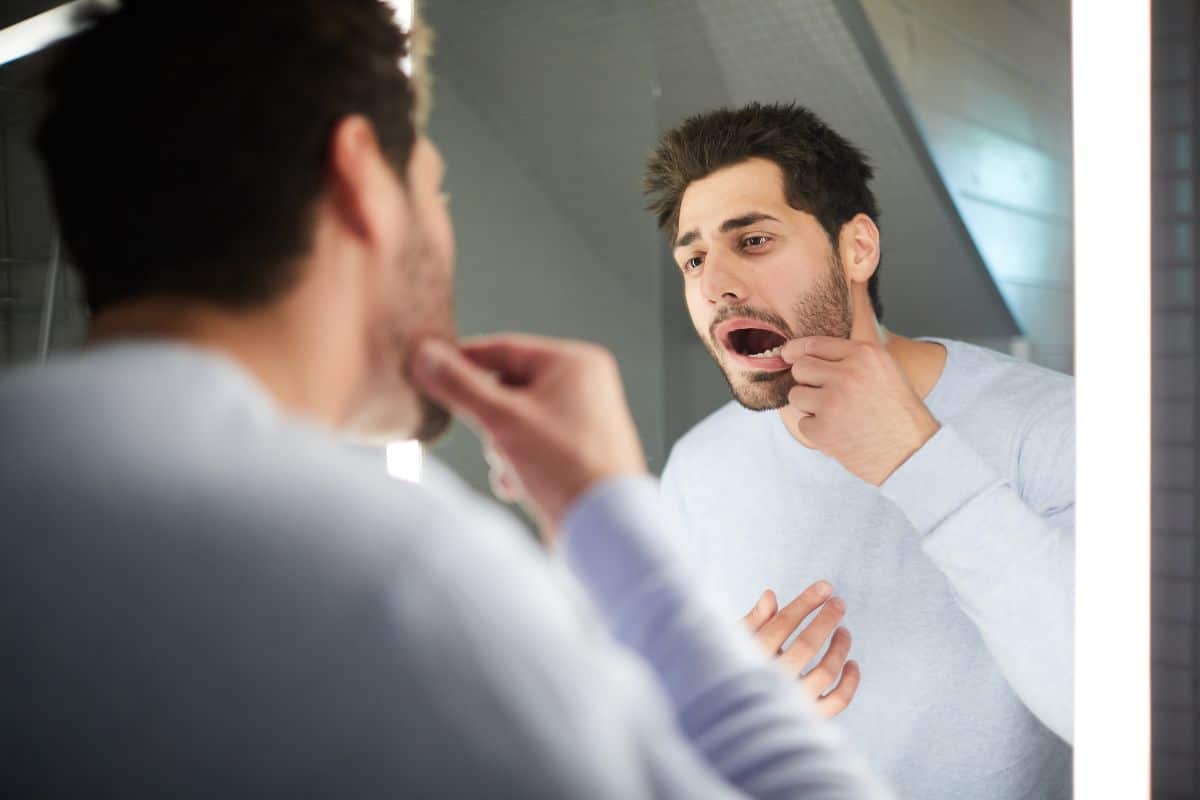
You notice it somewhere between the second bite of your sandwich and the last bite of dinner: chewing just feels a little more effort than it used to. Nothing hurts exactly. It’s more like your jaw is working harder on one side, or your teeth don’t quite meet the way they used to. Most people brush the feeling off for months, sometimes years.
That quiet, easy-to-ignore shift is what we call bite comfort and it affects far more of your day than most patients in Centennial realize. At Signature Orthodontics, it’s one of the most common concerns we help patients understand once they finally bring it up.
The Problem: Small Bite Shifts Add Up Quietly
A bite doesn’t usually change overnight. It drifts a little pressure here, a habit there, a tooth that shifts fractions of a millimeter over months. Because the change is gradual, your brain and jaw muscles quietly adapt, which is exactly why so many people don’t notice a problem until chewing comfort has already been affected for a long time.
Common everyday triggers behind these shifts include clenching during stressful weeks, a dental restoration that sits slightly high, losing a tooth without replacing it, or years of favoring one side while chewing. None of these feel dramatic in the moment. Together, they reshape how your bite functions.
Why It Matters More Than You Realize
Bite comfort isn’t just about eating. When your bite is even slightly out of balance, the muscles around your jaw, temples, and neck compensate for it often without you consciously feeling pain. Over time, this can influence how well you sleep, how tense your jaw feels by the end of the day, and even how confident you feel smiling or laughing in a group.
Because the symptoms are subtle, patients often describe the effect on their day rather than a specific ache: feeling more tired by evening, avoiding certain foods without really thinking about why, or noticing their jaw pops when they yawn.
| Did You Know? An uneven bite doesn’t have to involve visibly crooked teeth. Bite alignment is about how your upper and lower teeth meet under pressure which means a smile that looks perfectly straight can still carry a chewing comfort issue underneath. |
Even if your smile looks straight, hidden bite problems can affect comfort and function. Explore “Think Your Bite Is Normal? 7 Silent Bite Problems Centennial Families Often Miss“ to learn about the subtle warning signs many people overlook.
What Happens If a Bite Imbalance Is Left Unchecked
- Uneven tooth wear — chewing pressure concentrated on one side gradually flattens or chips enamel over time.
- Increasing jaw tension — compensating muscles can tighten into recurring soreness, tension headaches, or clicking.
- Gum and support strain — teeth under uneven load are more prone to irritation at the gumline and, over years, mild recession.
- Harder corrections later — small imbalances are far easier to adjust early than after the bite has fully compensated around them.
Already completed orthodontic treatment? Bite changes can still develop over time. Learn how to recognize the early signs by reading “Can Your Bite Really Change After Braces? What’s a Warning Sign, and What To Do Next.“
Minor Bite Shift vs. Ongoing Bite Misalignment
A quick way to tell whether what you’re feeling is temporary or worth a professional look:
| Sign | Minor, Temporary Bite Shift | Ongoing Bite Misalignment |
|---|---|---|
| How long it lasts | A day or two, often after dental work or a hard food | Weeks or months, and slowly gets more noticeable |
| Chewing pattern | You favor one side briefly, then it evens out | You consistently chew on one side without noticing |
| Jaw or ear discomfort | Rare, mild, and fades on its own | Recurring tension, clicking, or soreness on waking |
| Effect on teeth | None visible | Uneven wear, chipping, or flattened edges over time |
| Best next step | Monitor for a few days | Have your bite evaluated by an orthodontist |
The Professional Solution: A Real Bite Evaluation
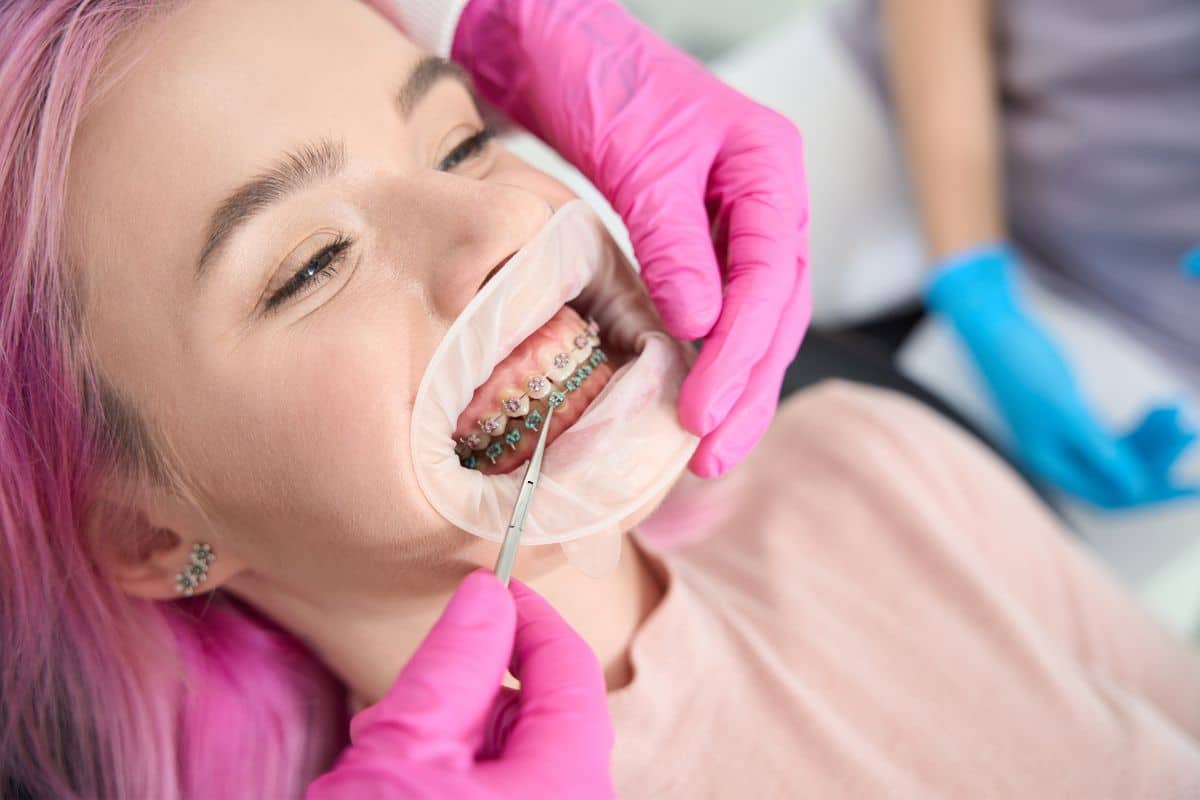
The most reliable way to address bite comfort is a proper bite assessment not guesswork at home. During a consultation, the orthodontic team looks at how your teeth meet under natural pressure, checks for uneven wear patterns, and reviews any jaw tension or clicking you’ve mentioned. From there, treatment is matched to what’s actually happening, whether that’s a minor adjustment, a short-term appliance, or a broader orthodontic plan.
This is different from cosmetic-only orthodontics. The goal is a bite that functions comfortably day to day, with straighter teeth as part of that outcome rather than the only goal.
| Ready to Find Out What’s Behind Your Bite Discomfort? Schedule a consultation with Dr. Morris and get a clear, honest look at your bite before small changes become bigger ones. Schedule Your Consultation Today! |
Local Bite Comfort Care in Centennial
Signature Orthodontics has worked with patients across Centennial and the surrounding Denver metro area, treating everything from visible alignment concerns to the quieter bite issues patients almost didn’t mention. That local experience matters it means the team has seen how these patterns show up across a wide range of lifestyles, ages, and daily routines, and knows what a genuinely comfortable bite should feel like.
⭐⭐⭐⭐⭐ Patti Hoyt
Dr Morris and team are awesome! The experience with my son has been great from the start. My son has been able to get appointments that fit into his sports and academic schedule through the entire process.
| Don’t Let a Small Bite Issue Quietly Shape Your Everyday Comfort A short consultation is often all it takes to understand what’s going on and to start feeling like eating, talking, and smiling take zero extra effort again. Call Us to Book Your Bite Comfort Consultation! |
Frequently Asked Questions
1. Why does my bite feel different after getting a filling or crown?
A new restoration can sit slightly high until your bite settles, making one side feel more noticeable when you chew. This usually resolves within a few days. If the sensation continues for more than a week, schedule a visit with your dentist, as a simple adjustment is often all that’s needed.
2. Can stress actually change how my bite feels?
Yes. Stress can lead to clenching or grinding your teeth, which tightens the jaw muscles and may make your bite feel uneven even if your teeth haven’t shifted. It’s one of the most common and often overlooked causes of everyday bite discomfort.
3. Is it normal to chew mostly on one side?
Occasionally favoring one side is common, especially if a tooth feels sensitive. However, consistently chewing on one side for weeks may indicate a bite imbalance and should be evaluated before it leads to uneven tooth wear or jaw strain.
4. Will a minor bite issue get worse if I ignore it?
It can. Small bite imbalances often become more noticeable over time as your jaw muscles and teeth adapt to uneven pressure. Having the issue evaluated early can make treatment simpler and help prevent additional wear or discomfort.
5. How do I know if I need an orthodontist instead of my general dentist?
If your concern involves how your teeth fit together, jaw alignment, or ongoing chewing discomfort rather than a single tooth, an orthodontist is typically the best professional to evaluate your bite and recommend the most appropriate treatment.
6. Does bite discomfort always come with pain?
No. Many people experience bite problems as jaw fatigue, tightness, or a sensation that chewing feels “off” rather than sharp pain. Because the symptoms are often subtle, they’re easy to overlook until they begin affecting daily comfort.
7. Can orthodontic treatment improve bite comfort even if my teeth already look straight?
Yes. Teeth that appear straight can still have an uneven bite relationship. During a bite evaluation, an orthodontist assesses both function and appearance to determine whether orthodontic treatment can improve long-term comfort and chewing efficiency.
8. How long does it typically take to correct a mild bite imbalance?
The timeline depends on the underlying cause and the severity of the imbalance. Many mild cases can be corrected with a shorter, targeted treatment plan rather than comprehensive orthodontic treatment. A professional consultation is the best way to determine your expected treatment timeline.