
7 Warning Signs Your Smile May Be Telling You It’s Time for Your Orthodontic Treatment

A lot of people assume orthodontic treatment is only about straight teeth.
But in reality, many bite and alignment problems quietly affect daily life long before someone realizes they may need professional care. Jaw tension, uneven tooth wear, crowding, speech changes, or difficulty chewing can all be signs that something deeper is happening with your bite alignment.
For many adults and teens in Aurora, the biggest surprise is not whether they need orthodontic treatment -it’s how long they ignored the warning signs.
If you’ve been questioning whether your smile issues are “normal,” these seven signs may help you decide when it’s time to speak with an orthodontist.
What Are the Most Common Signs You Need Orthodontic Treatment?
The most common signs you need orthodontic treatment include:
- Crowded or overlapping teeth
- Frequent biting of the cheeks or tongue
- Jaw discomfort or clicking
- Gaps between teeth
- Difficulty cleaning certain areas
- Uneven tooth wear
- Changes in bite alignment over time
These issues can affect oral health, comfort, and long-term smile function if left untreated.
1. Your Teeth Are Becoming More Crowded Over Time
Many people think crowding only happens during childhood.
In reality, teeth can continue shifting well into adulthood. You may notice overlapping front teeth, twisting, or areas that suddenly become harder to floss.
This often happens gradually, which is why people ignore it for years.
Crowding can increase the risk of:
- Plaque buildup
- Tooth decay
- Gum disease
- Enamel wear
- Chronic bad breath
When teeth overlap, oral hygiene becomes more difficult — even for patients with good brushing habits.
An experienced Signature Orthodontics Aurora team can evaluate whether shifting teeth are affecting your bite or long-term oral health.
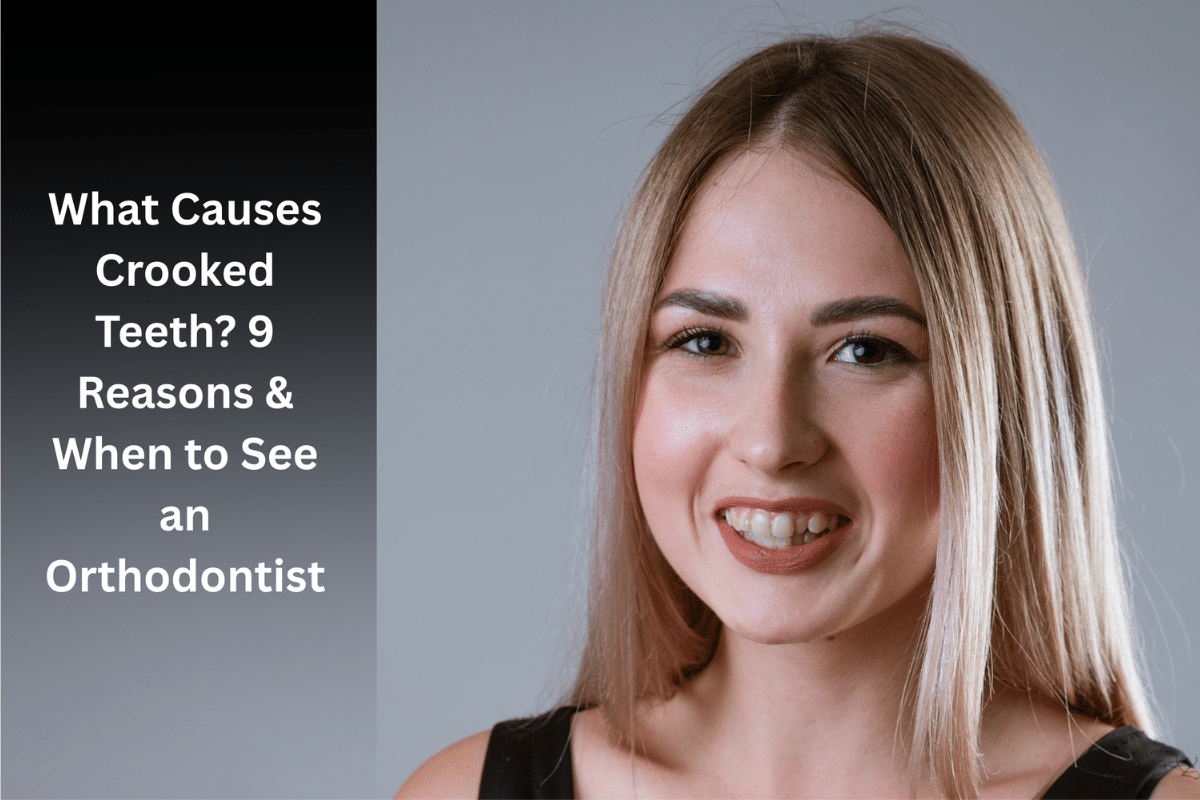
Teeth crowding and shifting can happen for several reasons, including genetics, jaw development, bite imbalance, and long-term oral habits. If you’ve noticed changes recently, it may help to understand the deeper causes behind crooked teeth and when orthodontic evaluation becomes important.
2. You Frequently Bite Your Cheeks or Tongue
Accidentally biting your cheeks once in a while is common.
But if it happens regularly, your bite alignment may be off.
When upper and lower teeth don’t fit together properly, soft tissue inside the mouth can repeatedly get caught while chewing or talking. Over time, this can create soreness, irritation, and inflammation.
Patients searching for an “Orthodontist Aurora” often mention this symptom without realizing it may be related to alignment issues. Orthodontic treatment may help improve how the teeth come together during daily function.
3. You’re Noticing Jaw Pain, Clicking, or Tension
Jaw discomfort is often blamed on stress.
Sometimes stress does contribute but bite imbalance can also place extra pressure on jaw joints and surrounding muscles.
Common warning signs include:
- Clicking or popping sounds
- Morning jaw soreness
- Frequent headaches
- Tightness near the ears
- Difficulty chewing certain foods
When bite pressure is uneven, the jaw may compensate repeatedly throughout the day.
Over time, this strain can worsen.
Why This Matters
Ignoring bite-related jaw tension may eventually contribute to:
- Increased enamel wear
- Tooth fractures
- Muscle fatigue
- Chronic discomfort
- Uneven chewing patterns
Early orthodontic evaluation may help identify whether alignment is contributing to these symptoms.
4. Your Teeth Look Worn Down or Uneven
Teeth are designed to distribute pressure evenly.
When the bite is misaligned, some teeth absorb more force than others. This can cause certain areas to wear down faster.
You may notice:
- Flattened edges
- Small chips
- Cracks in enamel
- Increased sensitivity
- Teeth that appear shorter over time
Many patients in Aurora are surprised to learn their worn teeth are connected to orthodontic concerns rather than simply aging.
This is especially important for adults considering future restorative dentistry such as dental crowns or cosmetic dentistry procedures. Bite alignment often affects how long restorations last.
5. You Have Gaps That Seem to Be Getting Larger
Spacing problems aren’t always cosmetic.
Gaps between teeth may develop because of:
- Bite imbalance
- Missing teeth
- Tongue posture
- Shifting teeth
- Gum disease progression
When spacing changes suddenly, it’s important to understand why it’s happening.
In some cases, untreated alignment issues can create additional stress on nearby teeth and supporting gums.
An Aurora orthodontist can evaluate whether these spacing changes are minor or signs of a developing orthodontic issue.
6. You Avoid Smiling in Photos or Social Situations
Sometimes the emotional signs matter just as much as the physical ones.
Many adults delay orthodontic treatment for years because they assume they “missed their chance.” Others worry treatment will feel uncomfortable or too noticeable.
But confidence issues linked to smile appearance can quietly affect:
- Professional interactions
- Social confidence
- Speaking habits
- Family photos
- Self-esteem
Modern orthodontic treatment options are often more discreet and flexible than patients expect.
And for many people, the emotional relief after treatment becomes just as important as the physical improvements.
Many adults in Aurora postpone orthodontic treatment for years before realizing how much their smile affected daily confidence, professional interactions, and comfort. For many, the biggest regret is simply waiting too long to start. Here find out why more adults are seeing an Aurora orthodontist.
7. You’ve Been Told You Grind Your Teeth at Night
Teeth grinding — also called bruxism — can have several causes.
Stress is one factor, but bite misalignment may also contribute to uneven nighttime pressure.
Signs of grinding may include:
- Morning headaches
- Tooth sensitivity
- Chipped enamel
- Jaw soreness
- Tight facial muscles
Without evaluation, chronic grinding can increase wear on teeth and restorations over time.
Orthodontic treatment may help improve bite balance and reduce areas of excessive pressure.
Why Ignoring Orthodontic Problems Can Become More Expensive Later
Many alignment issues worsen gradually.
That’s why patients often wait until discomfort becomes severe before scheduling an appointment.
Unfortunately, delaying care can sometimes lead to:
| Untreated Issue | Possible Long-Term Effect |
| Crowded teeth | Increased tooth decay and gum disease |
| Uneven bite | Tooth fractures and enamel wear |
| Jaw imbalance | Chronic jaw tension or headaches |
| Spacing issues | Progressive shifting and instability |
| Grinding | Damaged teeth and restorations |
Early evaluation may help prevent more complex treatment later.
Patient Trust & Experience
Patients often mention communication, attention to detail, and a more personal experience when describing their visits to Signature Orthodontics Aurora.
One Google reviewer, David Houghton, shared:
My treatment took slightly longer than originally estimated, but I appreciated that they prioritized getting things right instead of rushing to finish. Every adjustment felt carefully planned, and they explained changes clearly each time. The receptionist even remembered I prefer morning appointments and tried saving those slots for me whenever possible. Little details like that make the place feel more personal compared to larger clinics where you feel like another number.
Experiences like this often help patients feel more confident scheduling an orthodontic evaluation — especially when they’re unsure whether their bite or alignment concerns are serious enough to address.
You can also explore additional Google reviews and patient testimonials to learn how local families and adults in Aurora describe their orthodontic experience.
Meet Your Orthodontic Team
At Signature Orthodontics Aurora, the focus is not only on straighter teeth — but on long-term oral health, bite function, and patient comfort.
The team takes time to evaluate how alignment affects everyday life, including chewing, oral hygiene, smile appearance, and jaw balance.

If you’ve been noticing changes in your bite, crowding, or smile comfort, this may be the right time to explore your options. Book your appointment now to take expert consultation!
When Should You See an Orthodontist?
You should schedule an orthodontic evaluation if you notice:
- Teeth shifting or crowding
- Jaw discomfort
- Bite changes
- Difficulty cleaning between teeth
- Uneven tooth wear
- Frequent grinding
- Smile confidence concerns
Even mild symptoms can become more significant over time.
Ready to Find Out What Your Smile May Be Telling You?
If you’ve noticed several of these signs you need orthodontic treatment, scheduling an evaluation can help you better understand what’s happening before the problem worsens.
At Signature Orthodontics Aurora, patients from Aurora and surrounding communities receive personalized evaluations focused on comfort, clarity, and long-term smile health.
Whether your concerns are cosmetic, functional, or both, early guidance can help you make confident decisions about your oral health.
Call us today to schedule a consultation today to learn what your bite alignment may be revealing and what treatment options may help protect your smile long term.
One of the most common questions patients ask is how long orthodontic treatment actually takes. The answer depends on bite complexity, alignment concerns, and treatment goals but understanding the timeline can make the decision feel much less overwhelming.
Frequently Asked Questions
How do I know if I need orthodontic treatment?
Common signs include crowded teeth, bite problems, jaw discomfort, gaps, uneven tooth wear, and difficulty cleaning certain areas of the mouth.
Can adults still benefit from orthodontic treatment?
Yes. Many adults seek orthodontic treatment to improve bite alignment, smile appearance, oral hygiene access, and long-term dental health.
Does crowded teeth increase the risk of gum disease?
Yes. Crowded teeth can trap plaque and bacteria in hard-to-clean areas, increasing the risk of gum inflammation and tooth decay.
Can orthodontic problems cause headaches?
In some cases, bite imbalance and jaw strain may contribute to tension headaches or facial discomfort.
Is teeth grinding related to orthodontic issues?
Sometimes. Grinding may be associated with stress, sleep habits, or uneven bite pressure caused by alignment problems.
What age should someone see an orthodontist?
Orthodontic evaluations are common for children, teens, and adults. Early assessment may help identify developing bite concerns before they worsen.
Can orthodontic treatment improve oral hygiene?
Yes. Straighter teeth are often easier to brush and floss effectively, helping reduce plaque buildup and gum irritation.
What happens during an orthodontic consultation?
An orthodontic consultation usually includes an exam, bite evaluation, digital imaging, and discussion of possible treatment options based on your smile goals and oral health needs.