
What Causes Crooked Teeth? 9 Reasons & When to See an Orthodontist
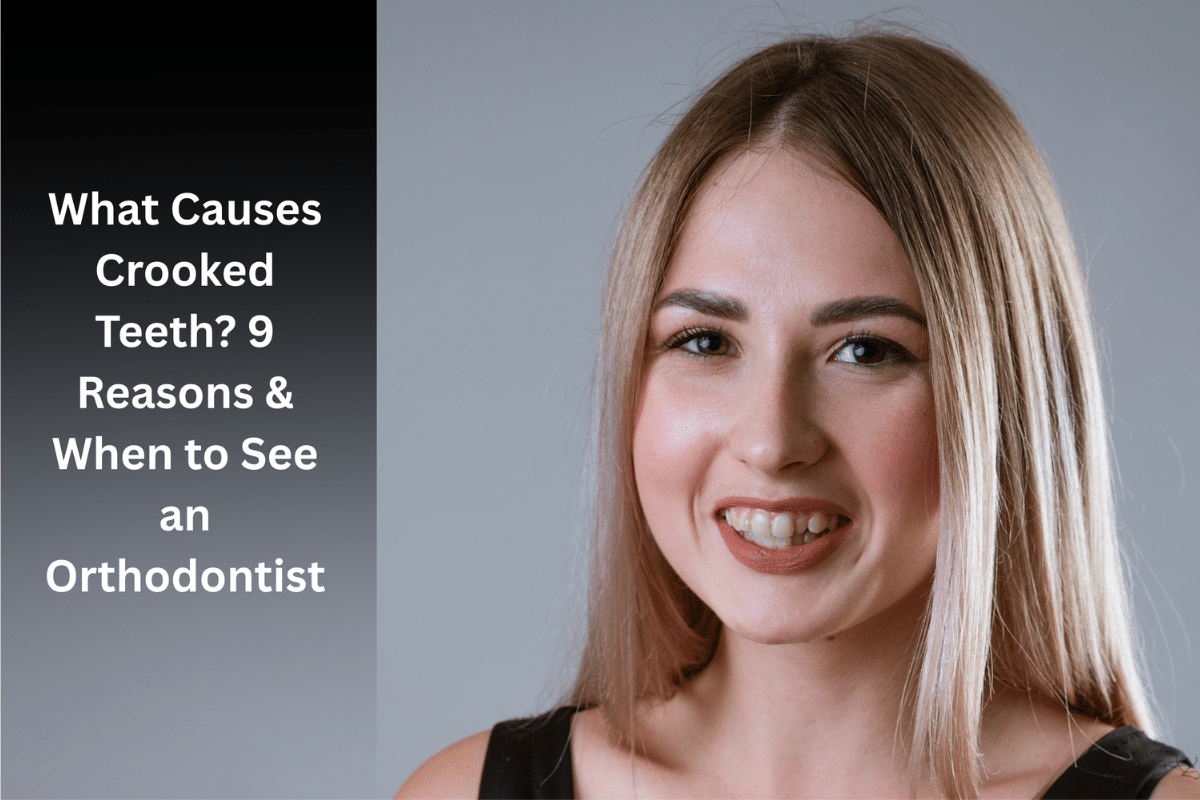
You look in the mirror and notice it teeth that don’t quite line up the way you’d like. Maybe they’ve always been that way, or maybe you’ve noticed a gradual shift over the years.
Either way, one question naturally follows:
“Why are my teeth crooked in the first place?”
You’re not alone in asking. Crooked or misaligned teeth are one of the most common orthodontic concerns among both children and adults in Centennial, CO and understanding the cause is often the first step toward doing something about it.
At Signature Orthodontics, we believe informed patients make the most confident decisions. So before we talk about solutions, let’s talk about causes and how the right orthodontic treatment can help you achieve a healthier, more aligned smile.
Why Does It Matter to Know the Cause?
Understanding why your teeth are crooked helps your orthodontist create a treatment plan that actually addresses the root issue not just the visible result.
Two people can have similarly crooked teeth for completely different reasons. And the cause often influences the best path forward.
9 Common Causes of Crooked Teeth
1. Genetics
If your parents had crowded or misaligned teeth, there’s a good chance you inherited the same tendency.
Genetics play a major role in determining:
- The size and shape of your jaw
- The size of your teeth
- How much space is available for teeth to grow in
When your teeth are too large for your jaw or your jaw is too small for your teeth crowding and misalignment naturally follow. This is one of the most common crooked teeth causes seen in orthodontic practices, and unfortunately, it’s one you have very little control over.
The good news? Genetics only determines the starting point. Orthodontic treatment can work with your natural structure to create lasting alignment.
2. Thumb Sucking or Pacifier Use in Childhood
Prolonged thumb sucking or pacifier use beyond the age of three can gradually push teeth out of alignment.
The repeated pressure placed on the front teeth and developing jaw can cause:
- Front teeth to protrude outward
- The upper and lower jaw to develop unevenly
- An open bite where the front teeth don’t meet when the mouth is closed
This is one of the more preventable causes of misaligned teeth, especially when the habit is addressed early. If you notice this in your child, it’s worth discussing with an orthodontist sooner rather than later.
3. Tongue Thrusting
Tongue thrusting happens when the tongue pushes forward against the teeth during swallowing or speaking rather than pressing against the roof of the mouth.
Over time, this consistent forward pressure can:
- Push front teeth outward
- Create an open bite
- Affect jaw development in growing children
Many people aren’t even aware they do it. A speech therapist or orthodontist can help identify and address tongue thrusting before it causes significant alignment issues.
4. Mouth Breathing
Breathing through the mouth rather than the nose may seem harmless, but it can have real effects on facial and dental development, especially in children.
Chronic mouth breathing can lead to:
- Narrowing of the upper jaw
- Longer facial structure development
- Crowded or misaligned teeth over time
It’s often linked to allergies, enlarged tonsils, or nasal congestion. Treating the underlying cause of mouth breathing can help prevent or reduce its impact on tooth alignment.
5. Early Loss of Baby Teeth
Baby teeth aren’t just placeholders they actively guide permanent teeth into their correct positions.
When a baby tooth is lost too early due to decay or injury, the surrounding teeth can drift into the empty space. This leaves less room for the incoming permanent tooth, which then erupts crowded or at an angle.
This is one of the most overlooked causes of misaligned teeth in children. Regular pediatric dental checkups can catch early tooth loss and address spacing issues before they become permanent problems.
6. Delayed Loss of Baby Teeth
The opposite problem can also cause misalignment. When baby teeth stay in place too long, they can block permanent teeth from erupting in the correct position.
The permanent tooth may:
- Come in behind or in front of the baby tooth
- Erupt at an awkward angle
- Become impacted beneath the gumline
Monitoring your child’s dental development with regular checkups helps catch these issues at the right time.
7. Jaw Size and Facial Development
Modern diets softer foods that require less chewing may contribute to smaller jaw development compared to earlier generations. When the jaw doesn’t develop to its full potential, there simply isn’t enough space for all permanent teeth to fit properly.
This is increasingly recognized as a contributing factor to why crooked teeth are so common today, even in people without a strong family history of misalignment.
8. Injury or Trauma
A direct impact to the mouth or jaw from a sports injury, accident, or fall can knock teeth out of alignment. In some cases, the jaw itself shifts, changing the overall bite.
Even injuries that seem minor at the time can cause gradual shifting if the surrounding structures are affected. If you’ve experienced facial trauma and notice changes in your bite or tooth position afterward, an orthodontic evaluation is a smart next step.
9. Natural Shifting With Age
Even if your teeth were perfectly straight at one point or you completed orthodontic treatment years ago teeth can shift over time.
This happens because:
- The jawbone naturally changes shape as we age
- Gum tissue loosens slightly over the years
- Pressure from wisdom teeth can push other teeth forward
- Not wearing retainers after previous treatment allows teeth to drift back
This is why are my teeth crooked again is one of the most common questions orthodontists hear from adult patients. The shifting is natural but it is also treatable.
How Orthodontists Fix Crooked Teeth
Now that you understand the why, let’s talk about the what now.
The good news is that no matter the cause, modern orthodontic treatment offers effective, comfortable, and often discreet solutions for straightening misaligned teeth at any age.
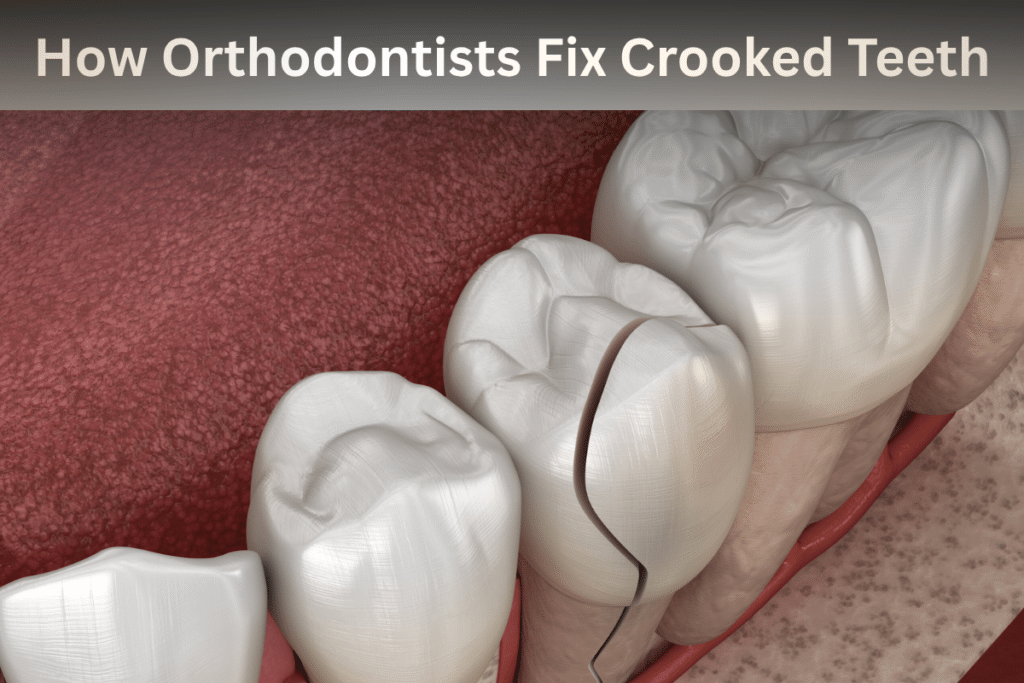
Here’s what orthodontic treatment for crooked teeth typically looks like:
1. Braces
Traditional metal braces remain one of the most reliable and versatile orthodontic solutions available.
Braces work by applying consistent, controlled pressure to gradually move teeth into their correct positions over time. They’re particularly effective for:
- Complex misalignment cases
- Significant bite corrections
- Cases involving jaw positioning
Modern braces are more streamlined and comfortable than older versions, and they remain the go-to recommendation for cases that require precise, powerful movement.
2. Clear Aligners (Invisalign)
For patients who prefer a more discreet option, clear aligners like Invisalign offer an effective alternative to traditional braces.
A series of custom-made, nearly invisible plastic trays gradually guide teeth into alignment. Clear aligners are especially popular among:
- Adults in professional settings
- Teens who prefer a less noticeable treatment
- Patients with mild to moderate misalignment
The ability to remove aligners for eating, brushing, and flossing makes them a convenient and lifestyle-friendly choice for many Centennial patients.
3. Retainers
Retainers are used after active orthodontic treatment whether braces or aligners to hold teeth in their new positions while the surrounding bone and tissue stabilize.
Skipping retainer use is one of the most common reasons teeth shift back after treatment. Depending on your case, your orthodontist may recommend:
- A removable retainer worn nightly
- A fixed retainer bonded behind the front teeth
- A combination of both
Retainers aren’t optional they’re the final, essential step in protecting your orthodontic results for the long term.
When Should You See an Orthodontist?
Many people wait far longer than necessary before seeking an evaluation. But when to see an orthodontist is simpler than most people think.
Consider scheduling a consultation if you notice:
- Visibly crowded, overlapping, or crooked teeth
- Gaps between teeth
- Difficulty biting, chewing, or speaking comfortably
- Jaw pain, clicking, or uneven wear on teeth
- Teeth that have shifted after previous orthodontic treatment
- A child losing baby teeth unusually early or late
The American Association of Orthodontists recommends that children receive their first orthodontic evaluation by age 7 even before all permanent teeth have come in. Early evaluation doesn’t always mean early treatment, but it allows the orthodontist to monitor development and act at exactly the right time.
For adults, there’s no age limit. More adults than ever are seeking orthodontic treatment, and the results are just as effective regardless of when you start.
Not sure if what you’re noticing actually warrants a consultation?
Read Next: What Are the Signs You Need Orthodontic Treatment? 7 Warning Signals Adults Shouldn’t Ignore
Why Choose Signature Orthodontics?
At Signature Orthodontics, every patient receives a thorough, personalized evaluation before any treatment recommendation is made.
Whether your crooked teeth are the result of genetics, childhood habits, natural aging, or something in between the team at Signature Orthodontics will identify the underlying cause and recommend the most effective path forward for your specific smile. Call us today to schedule your personalized consultation and discover the best treatment options for you.
Patients across Centennial, CO trust Signature Orthodontics for:
- Comprehensive orthodontic evaluations
- Customized treatment plans for children, teens, and adults
- Both traditional braces and clear aligner options
- Ongoing support from consultation through final results
Now that you know what’s causing your crooked teeth and how it can be fixed the next step is finding the right orthodontist.
Read Next: How to Find the Best Orthodontist in Centennial, CO for Braces or Invisalign
Schedule Your Orthodontic Consultation in Centennial Today
Understanding the cause of your crooked teeth is the first step. Taking action is the next one.
Whether you’re exploring options for yourself or your child, a professional evaluation at Signature Orthodontics gives you a clear picture of what’s happening and what’s possible.
Book your consultation today and take the first confident step toward a straighter, healthier smile.
Frequently Asked Questions About Crooked Teeth
What is the most common cause of crooked teeth?
Genetics is the most frequently seen cause. Inherited jaw size and tooth size often determine how much space is available for teeth to grow in properly.
Can crooked teeth get worse over time?
Yes. Without treatment, misaligned teeth can continue to shift particularly with age, wisdom tooth pressure, or the absence of retainer use after previous treatment.
At what age should a child see an orthodontist?
The American Association of Orthodontists recommends a first evaluation by age 7. Early assessment allows the orthodontist to monitor development and plan treatment at the ideal time.
Can adults fix crooked teeth?
Absolutely. Orthodontic treatment is effective at any age. Many adults choose clear aligners for a discreet, comfortable treatment experience.
How long does treatment for crooked teeth take?
Treatment length varies depending on the severity of misalignment. Most cases are completed within 12 to 24 months, though simpler cases can be shorter.
Will crooked teeth cause health problems?
Misaligned teeth can make cleaning more difficult, increasing the risk of cavities and gum disease. They can also contribute to uneven wear, jaw discomfort, and bite issues over time.
Is Invisalign effective for crooked teeth?
Yes. Clear aligners are highly effective for mild to moderate misalignment. Your orthodontist will determine whether aligners or braces are better suited for your specific case.
Conclusion
Crooked teeth rarely happen by accident there’s almost always an underlying reason, whether it’s genetics, childhood habits, natural aging, or something in between.
Understanding the cause not only satisfies your curiosity it puts you in a stronger position to choose the right treatment and achieve lasting results.
If you’ve been wondering why are my teeth crooked or thinking about how to fix crooked teeth, the most important next step is a conversation with a qualified local orthodontist.
At Signature Orthodontics, that conversation starts with a comprehensive evaluation designed around your unique smile and ends with a clear, personalized plan for getting there.
Your straighter smile starts here.