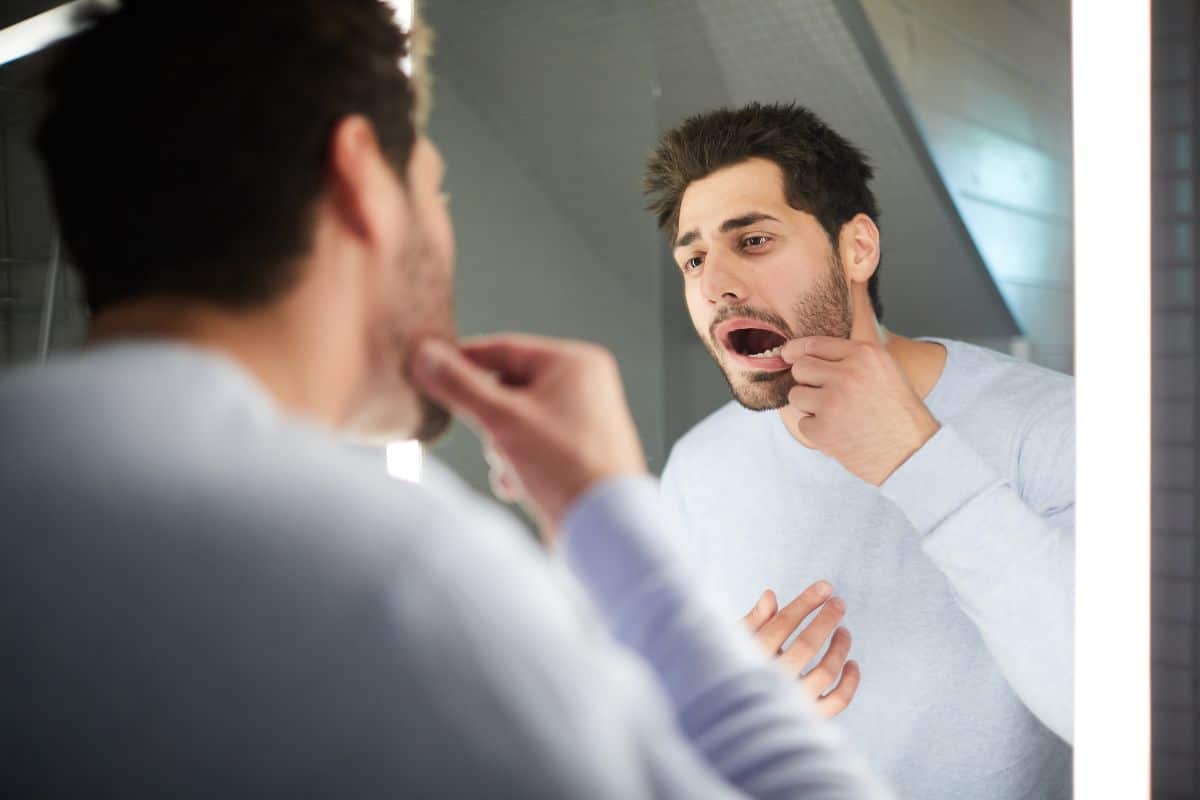

How To Stay Comfortable With Braces In Centennial’s Winter?
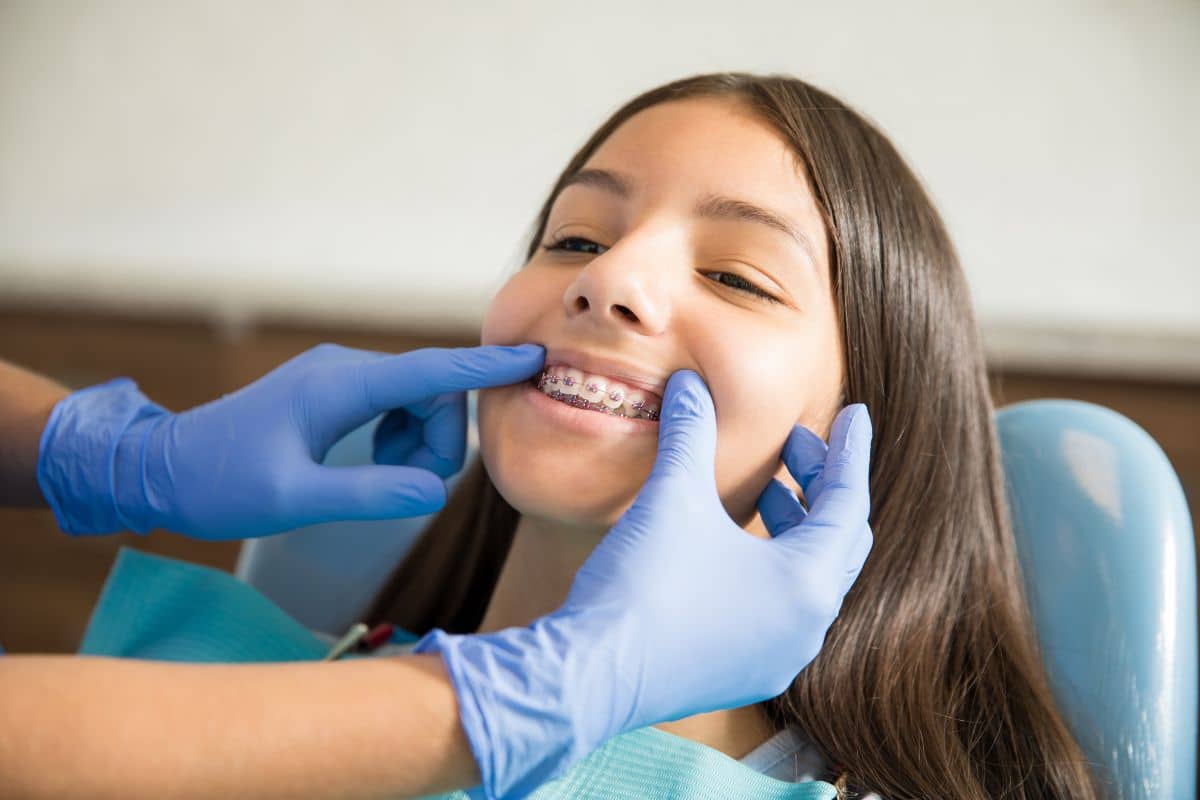
Winter comfort tips are simple habits that help reduce soreness, dryness, and sensitivity caused by cold weather while wearing braces or clear aligners. Many people searching for guidance on orthodontic care in Centennial don’t realize that seasonal changes can affect orthodontic comfort. Cold temperatures, dry air, and holiday food choices can all make braces or aligners feel more uncomfortable — but the right strategies can prevent most issues. Follow the blog to learn more.
Why Winter Affects Orthodontic Comfort?
Cold weather changes how your mouth feels and functions. Lower temperatures and dry indoor heating can lead to:
- Increased tooth sensitivity
- Dry lips and mouth
- Irritated cheeks or gums
- Greater awareness of braces or aligners
Because orthodontic treatment already creates mild pressure on teeth, the chilly season’s conditions can amplify discomfort.
Why Comfort of Your Treatment Matters?
Staying comfortable is more than a convenience — it helps treatment progress smoothly. When discomfort increases, patients may:
- Wear aligners less consistently
- Avoid proper brushing
- Choose foods that slow progress
- Skip oral check-ins
Small adjustments during colder months help maintain treatment momentum and reduce the risk of delays.
How Centennial Patients Can Prepare for the Season’s Challenges?
Teeth straightening discomfort during the snowy season is usually manageable with preventive measures. Knowing what to expect helps you stay comfortable and consistent. Dental professionals often recommend focusing on hydration, gentle care, and protective habits. Common concerns include:
- Sensitive teeth in cold air
- Chapped lips from mouth breathing
- Braces irritation from dryness
- Aligners feel tighter in colder temperatures
Are Colder Months Comfort Strategies Important?
Certain situations increase the need for extra care:
- Right after the wire adjustments
- During the first months of braces
- When switching to new aligner trays
- After holiday meals with hard foods
- During extreme temperature changes
Being proactive during these periods can prevent minor discomfort from becoming bigger problems.
Cold Month Tips for Braces And Aligners Wearers
1. Keep Your Mouth Hydrated
Dry air can irritate tissues quickly. Hydration keeps tissues healthier and reduces friction. Helpful habits:
- Drink water frequently
- Use a humidifier at home
- Avoid excessive caffeine or sugary drinks
2. Protect Lips and Cheeks
Cold air, especially when combined with brackets, can cause irritation. These simple steps reduce soreness significantly. Try:
- Lip balm before going outside
- Orthodontic wax on brackets
- Gentle rinses with warm salt water
3. Choose Warm, Soft Foods
Cold or crunchy foods can increase sensitivity. Soft foods give teeth a break, especially after adjustments. Good winter-friendly choices:
- Soups
- Soft pasta
- Oatmeal
- Cooked vegetables
- Warm smoothies
4. Avoid Temperature Shock
Moving quickly from hot drinks to cold air can trigger discomfort. Gradual temperature changes are easier on teeth that are moving. Best practice:
- Let beverages cool slightly
- Avoid ice-cold drinks when teeth feel sensitive
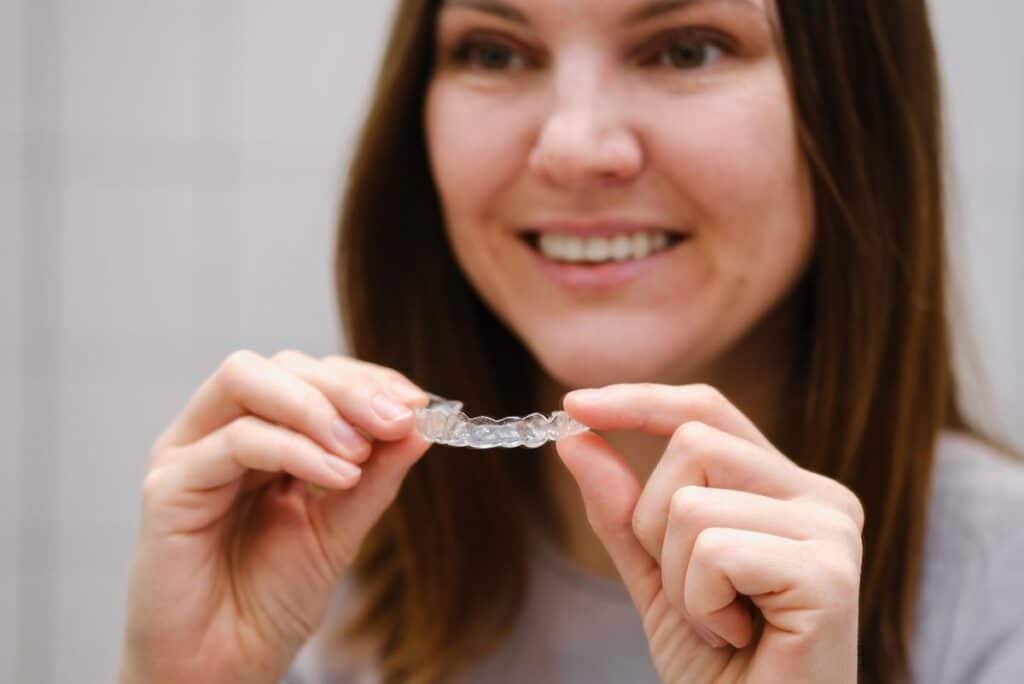
5. Clean Aligners Properly in Winter
Clear aligners can collect bacteria more quickly when dry mouth is present. Consistent cleaning helps maintain comfort and clarity. Daily essentials:
- Rinse trays with lukewarm water
- Brush gently without harsh toothpaste
- Avoid hot water to prevent warping
6. Maintain Strong Oral Hygiene
Holiday snacks and seasonal treats increase cavity risk. Healthy teeth move more predictably during treatment. Focus on:
- Brushing after meals
- Flossing carefully around brackets
- Using fluoride toothpaste
Benefits of Following Winter Orthodontic Care Tips
Patients who adjust their routines during winter often notice:
- Less soreness
- Better aligner compliance
- Reduced mouth irritation
- Smoother treatment progress
- Improved overall comfort
What Happens If You Don’t Follow Winter Wellness Practices?
Prevention is simpler than fixing setbacks later. Without proper care, you may experience:
- Prolonged sensitivity
- Mouth sores or irritation
- Broken brackets from hard foods
- Reduced aligner wear time
- Slower treatment progress
How to Protect Your Teeth Through Winter And Beyond?
Comfort isn’t just about daily treatment — it’s about consistent habits throughout the season. Long-term tips:
- Carry orthodontic wax when traveling
- Keep lip balm nearby
- Stay hydrated during outdoor activities
- Avoid chewing ice or hard seasonal candies
- Attend routine evaluations with the local dentist
Supportive Care for Centennial, CO Families
Winter in Centennial can bring dry air and rapid temperature changes, which may increase your treatment’s sensitivity. If braces or aligners start feeling more uncomfortable than expected, a quick evaluation can help ensure everything is progressing normally.
Many patients benefit from checking in with their orthodontic team to discuss adjustments, comfort strategies, or related services that support treatment success. Call us today to schedule a comfort check and make sure your orthodontic treatment stays on track all winter long. Our team is here to help you stay comfortable and confident throughout your smile journey.
Frequently Asked Questions
Why do braces hurt more in winter?
Cold temperatures and dry air can increase tooth sensitivity, making orthodontic pressure feel more intense. This is common, and regular adjustments help manage discomfort.
Can cold weather affect Invisalign aligners?
Cold weather doesn’t damage aligners, but temperature changes may make your teeth more sensitive. Wearing your aligners consistently helps reduce discomfort caused by cold temperatures.
What foods are best for braces in winter?
Soft, warm foods like soups, pasta, and cooked vegetables help reduce irritation. Avoid hard, crunchy foods that can damage braces or cause discomfort in cold weather.
How to prevent dry mouth with braces?
Drink plenty of water throughout the day to keep your mouth moist. Using a humidifier at night and avoiding dehydrating drinks will also help prevent dry mouth.
Can the chilly weather cause more mouth sores with braces?
Yes, cold, dry air can cause chapped lips and increased friction, which can lead to mouth sores. Applying lip balm and using orthodontic wax can reduce irritation.
Should I wear aligners less if my teeth feel sensitive?
No, wearing your aligners consistently is essential for treatment. If discomfort continues, contact your oral care provider for advice or adjustments.
Are hot drinks safe with aligners?
Hot beverages can warp aligners, so always remove them before drinking. This helps avoid damage and keeps your aligners fitting properly.
How often should you clean aligners in the snowy season?
Clean your aligners at least twice a day, plus rinse them after every removal. Regular cleaning prevents buildup and keeps your aligners fresh in cold weather.
Can braces treatment take longer with inconsistent wear?
Yes, missing aligner wear or broken brackets can delay progress. Consistent care is key to ensuring your treatment stays on track during winter.
When to contact your orthodontic provider?
Contact your provider if pain is severe, irritation lasts for several days, or if an aligner or bracket becomes damaged. Timely communication can help prevent treatment delays.
Protect Your Orthodontic Treatment This Winter
Winter doesn’t have to make orthodontic treatment uncomfortable. With simple adjustments — staying hydrated, choosing soft foods, and protecting your mouth from cold air — you can keep braces or aligners feeling manageable all season long. If you have questions about seasonal comfort or want personalized advice, consider scheduling a consultation with us to review your progress and keep your treatment moving smoothly.