
Is Your Bite Trying to Tell You Something? What Centennial Patients Are Discovering
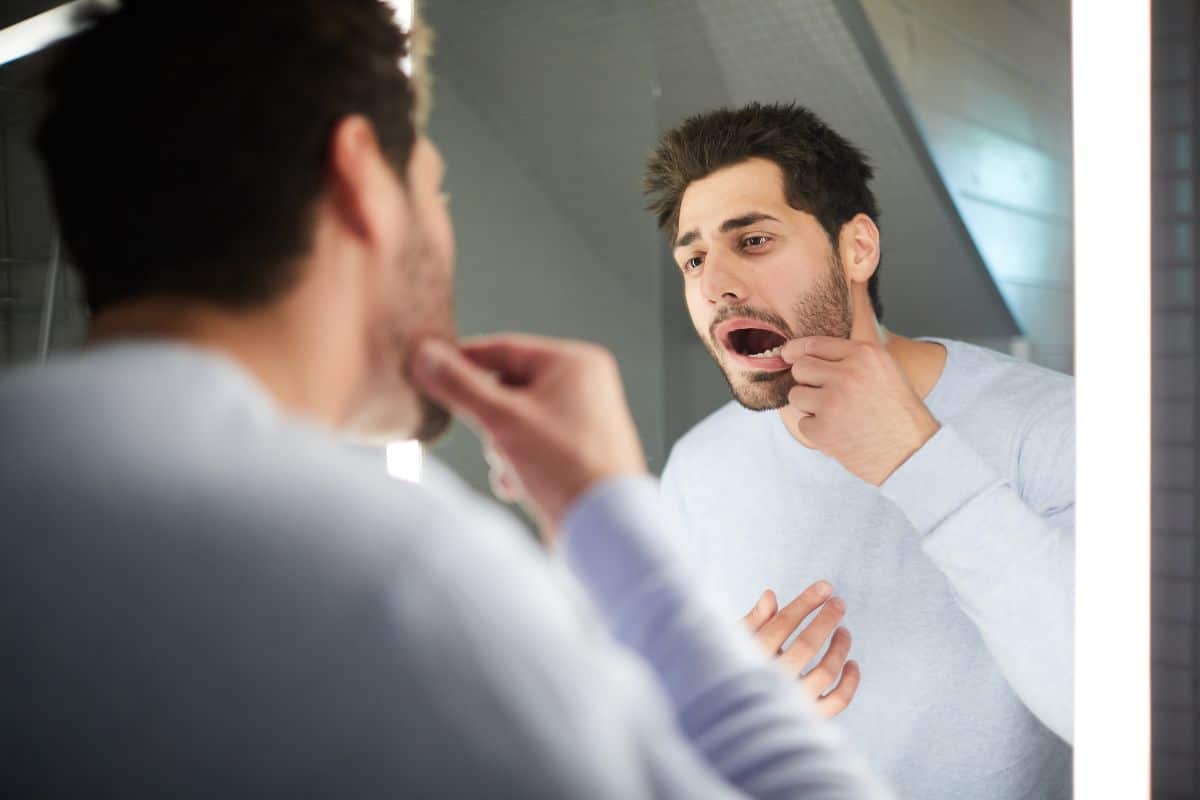
You’ve noticed it, haven’t you? Maybe it’s the way your jaw clicks when you yawn. Maybe you keep biting the inside of your cheek without meaning to, or your child’s teeth just don’t line up the way yours did at their age. It’s easy to brush off, until it isn’t. Here in Centennial, we see this exact moment play out often: a patient finally asking the question they’ve been putting off. “Is this actually a problem, or am I overthinking it?”
Bite problems are more common than most people realize, and they rarely announce themselves loudly. They show up as small, everyday frustrations, a tired jaw by dinnertime, a chipped edge on one tooth, a child who mouth-breathes at night. None of that feels urgent on its own. Together, though, it usually means something is worth a closer look.
What Counts as a “Bite Problem,” Really?
A bite problem, also called a malocclusion happens when the upper and lower teeth don’t align correctly when the mouth is closed. It can affect how you chew, speak, and how your jaw feels throughout the day. The four types we see most often are overbites, underbites, crossbites, and open bites, and each one has its own pattern of symptoms.
Overbite Symptoms
An overbite is the most familiar type: the upper front teeth extend over the lower ones. A slight overlap is normal, but a pronounced overbite can cause the lower teeth to press into the roof of the mouth, wear down enamel unevenly, and make the lower jaw look set back in profile.
Underbite Symptoms
With an underbite, the lower jaw sits ahead of the upper jaw, so the bottom front teeth rest in front of the top ones. Patients often mention trouble biting into sandwiches or apples cleanly, a jaw that feels like it’s “jutting,” or a change in how certain sounds come out when they speak.
Crossbite Treatment: Signs It’s Time
A crossbite occurs when some upper teeth sit inside the lower teeth instead of outside, on one or both sides of the mouth. It’s one of the few bite problems that can visibly pull the jaw or face slightly off-center over time, and it tends to cause uneven wear patterns that a dentist can spot on X-rays even before a patient notices.
Open Bite Problems
An open bite means the front (or sometimes side) teeth don’t touch at all when the back teeth are closed together, leaving a visible gap. It’s frequently linked to childhood thumb-sucking, tongue-thrusting, or tongue-resting habits that continue into adulthood, and it can make biting through food or pronouncing certain letters noticeably harder.
Quick Reference: Bite Problems at a Glance
| Bite Type | What It Looks Like | Common Signs | Why It Happens |
|---|---|---|---|
| Overbite | Upper front teeth extend noticeably over the lower teeth | Gum irritation behind upper teeth, jaw fatigue, self-consciousness about profile | Genetics, prolonged thumb-sucking, or jaw growth differences |
| Underbite | Lower front teeth sit in front of the upper teeth | Difficulty biting into food, jaw jutting forward, speech changes | Lower jaw overgrowth or upper jaw underdevelopment, often hereditary |
| Crossbite | Some upper teeth sit inside the lower teeth instead of outside | Uneven tooth wear, facial asymmetry, teeth grinding | Narrow upper jaw, delayed baby-tooth loss, or thumb-sucking habits |
| Open Bite | Front (or side) teeth don’t touch when the back teeth are closed | Trouble biting food cleanly, tongue-thrusting, speech issues (lisping) | Thumb-sucking, tongue posture habits, or skeletal jaw patterns |
Did You Know?
Mild bite misalignment is extremely common, and many people live for years without realizing anything is off. It’s usually not the bite itself that prompts a visit, it’s the side effects: jaw fatigue, headaches, or a tooth that’s wearing down faster than the others.
Want to Learn More About Your Bite Type?
Not sure whether you’re dealing with an overbite, underbite, or crossbite? While this guide explains the basics, our detailed article breaks down how each bite problem develops, the symptoms to watch for, and the treatment options available for children, teens, and adults.
Recommended Reading: Overbite, Underbite or Crossbite? What It Means for Your Smile
Why It Matters (Beyond Just Crooked Teeth)
A bite problem isn’t only a cosmetic concern- it’s a functional one. Teeth that don’t meet correctly change how force is distributed every time you chew, which affects far more than your smile.
- Uneven enamel wear — certain teeth absorb more pressure than they were built for, wearing down faster and becoming more sensitive.
- Jaw strain and fatigue — muscles compensate for the misalignment, which can leave the jaw sore, tight, or tired by the end of the day.
- Speech and chewing changes — some bite problems make certain sounds or foods genuinely harder to manage.
- Confidence — patients often mention feeling self-conscious about their smile or profile long before they connect it to their bite.
The Risks of Leaving a Bite Problem Untreated
Bite problems don’t tend to stay the same size forever – most get more pronounced with time, and the muscles and joints around them adapt in ways that are harder to reverse later. Left unaddressed, common risks include:
- TMJ-related discomfort — clicking, popping, or pain in the jaw joint from years of uneven pressure.
- Accelerated tooth decay and gum disease — misaligned teeth are simply harder to clean thoroughly, which lets plaque build up in the gaps.
- Chronic headaches — jaw tension is a common, and often overlooked, contributor to recurring headaches.
- More complex treatment later — bite problems that are simple to guide in childhood can require more extensive correction once jaw growth is complete.
Not Sure If It’s Time for Orthodontic Treatment?
Many patients ignore small changes in their smile because they don’t seem urgent. But issues like crowded teeth, frequent jaw discomfort, uneven tooth wear, shifting teeth, or difficulty cleaning certain areas can all indicate that orthodontic treatment may be beneficial.
Our guide “7 Warning Signs Your Smile May Be Telling You It’s Time for Your Orthodontic Treatment” explains the early signs that many people overlook and when it’s worth scheduling an orthodontic evaluation before the problem becomes more complicated.
How an Orthodontist Actually Corrects a Bite Problem
The right approach always starts with a full picture of what’s happening, not just the teeth, but the jaw joints, growth pattern, and any habits contributing to the issue. A modern evaluation typically includes a digital scan (an iTero scanner, for example, builds a precise 3D model without the messy impressions many people remember from childhood), a review of dental and medical history, and a look at how the bite functions during normal chewing and speech.
From there, treatment is genuinely individual. Some bite problems respond well to clear aligner therapy, which shifts teeth gradually and discreetly. Others – particularly those involving the jaw itself, like more significant underbites or crossbites, benefit from the additional control traditional braces provide. Related services like braces and orthodontics or Invisalign each solve different pieces of the puzzle, and an orthodontist can walk through which one actually fits a specific bite rather than assuming one option fits everyone.
Trusted Orthodontic Care, Right Here in Centennial
This is exactly the kind of comprehensive evaluation patients receive at Signature Orthodontics in Centennial, where bite problems are diagnosed and treated every day using advanced technology and personalized care.

Meet Dr. Jason Morris
Dr. Jason Morris is committed to helping children, teens, and adults achieve healthier, more functional smiles through customized orthodontic care. Whether a patient has an overbite, underbite, crossbite, or open bite, he takes the time to understand how their teeth and jaws work together before recommending the most effective treatment plan.
If you’ve been wondering whether your bite is affecting your oral health, a consultation with Dr. Jason Morris can provide the clarity and confidence you need to take the next step. Call us to schedule an appointment!
Patient Trust & Experience
⭐⭐⭐⭐⭐ Marie Shols
“Dr. Morris and team are awesome! The experience with my son has been great from the start. My son has been able to get appointments that fit into his sports and academic schedule through the entire process.”
Marie appreciated not only the quality of care but also how the team made orthodontic treatment fit comfortably around her son’s busy schedule. Flexible appointment times and a supportive experience helped make every stage of treatment convenient for their family.
Not Sure If Your Bite Needs Attention?
A short consultation can tell you exactly what’s going on, no guesswork, no pressure. Get a clear answer and a plan that fits your life.
BOOK A COMPLIMENTARY CONSULTATION!
Frequently Asked Questions
What does an overbite actually look like?
A true overbite means the upper front teeth extend noticeably over the lower teeth when the mouth is closed, usually more than 2-3 millimeters. Mild overlap is normal, but a pronounced one can strain the jaw, wear down enamel, and affect how the lower face looks in profile.
Can a crossbite fix itself without treatment?
No. A crossbite involves the jaw and tooth structure, not just tooth position, so it will not correct itself over time. Left alone, it typically leads to uneven wear, jaw asymmetry, and more complex treatment later, early evaluation keeps options simpler.
Is it normal for a bite to shift as adults get older?
Some shifting is common, especially after wisdom teeth come in, following tooth loss, or without a retainer after past orthodontic work. Gradual shifting is worth mentioning at a checkup, since new gaps or crowding can affect the whole bite over time.
What causes an open bite in adults?
Adult open bites are often the lasting result of childhood thumb-sucking or tongue-thrusting habits, though jaw growth patterns and chronic mouth breathing can also play a role. The result is front (or side) teeth that never quite touch when biting down.
Can a bad bite really cause jaw pain or headaches?
Yes. When teeth don’t meet evenly, the jaw muscles often overcompensate, which can lead to soreness, clicking, tension headaches, and in some cases symptoms associated with TMJ disorder. Patients are sometimes surprised that treating the bite eases headaches they assumed were unrelated.
At what age should a child be evaluated for bite problems?
Most orthodontic guidelines recommend a first evaluation by around age 7, even if it’s just a check-in. Early signs like crossbites or crowding are often easiest to guide while the jaw is still growing, even if full treatment doesn’t start right away.