
Same Smile, Different Treatment: Why Orthodontists Don’t Recommend the Same Plan for Everyone
Picture this: two coworkers, both in their early thirties, both a little self-conscious about the same crowded front teeth. They book consultations two weeks apart. One walks out with a straightforward Invisalign plan and a nine-month timeline. The other is told she needs traditional braces, some careful reshaping between her teeth, and closer to eighteen months. Same complaint. Similar age. Two very different roadmaps.
If that sounds confusing even a little unsettling, you’re not alone. It’s one of the most common questions patients bring into our Centennial office: “Why did my friend’s treatment look nothing like mine, when our teeth looked so similar?”
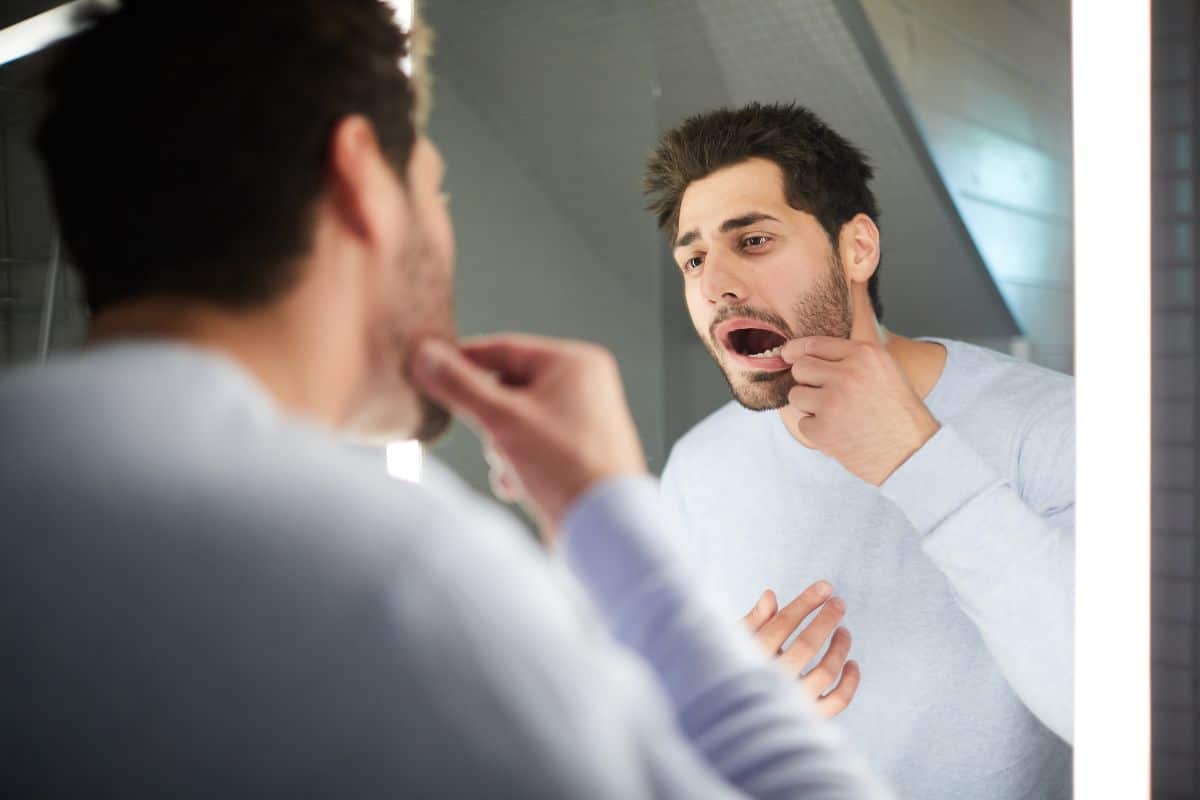
The honest answer is that what you see in the mirror is only part of the story. A real orthodontic treatment plan isn’t built from a glance at your front teeth. It’s built from your bite, your jaw position, your bone structure, your oral health history, and how your teeth are likely to move over the next several years. Two smiles can look almost identical on the surface and still need completely different plans underneath.
Why “Similar Teeth” Doesn’t Mean “Similar Treatment”
What You See vs. What’s Actually Underneath
Crowding, gaps, and crooked front teeth are what patients notice first and understandably so, since that’s what shows up in every photo. But an orthodontic treatment plan is really a plan for the whole bite, not just the visible teeth. Root angulation, jaw growth patterns, bone density, and the position of back teeth all factor into the diagnosis, and none of that is visible without a proper exam.
Two people can have front teeth that look equally crowded, while one has roots tipped inward and the other has roots angled almost straight. Moving those teeth into alignment requires different forces, different appliances, and often a different amount of time.
The Role of Bite Alignment
Bite alignment, or how the upper and lower teeth meet when you close your mouth, changes everything about a treatment plan. An overbite, underbite, or crossbite can hide behind teeth that look reasonably straight. If a patient’s molars aren’t meeting correctly, correcting only the front teeth can leave the underlying bite problem untouched and sometimes make it more noticeable once the crowding is gone.
Why a One-Size-Fits-All Plan Can Backfire
It’s tempting to want a simple, predictable answer: crowded teeth get this appliance, gapped teeth get that one. But orthodontics doesn’t work that way, and treating it like it does creates real problems down the road.
When a treatment plan doesn’t account for bite alignment, jaw position, and bone support, teeth can look straighter in the short term while the bite itself stays unstable. That instability is often what’s behind teeth that “mysteriously” shift back within a year or two of finishing treatment.
What Can Happen When Treatment Doesn’t Match the Diagnosis
- Relapse: Teeth that looked straight at the end of treatment can gradually shift again, especially without the right retention plan.
- Uneven wear: Forcing tooth movement without accounting for bite alignment can wear enamel unevenly over time.
- Gum and bone strain: Moving teeth too quickly or in the wrong direction can put stress on the gum tissue and supporting bone.
- Jaw strain: A bite that’s never properly corrected can contribute to jaw discomfort, clicking, or tension headaches.
- Extended treatment time: Mismatched treatment often takes longer to correct in the end costing more time and, eventually, more out of pocket.
Not every orthodontic issue is obvious. Many patients ignore subtle changes in their bite or tooth position for months—or even years—before scheduling a consultation. If you’re wondering whether your smile is trying to tell you something, read our guide: “7 Warning Signs Your Smile May Be Telling You It’s Time for Your Orthodontic Treatment.“
| Did You Know? A 3D digital scan or panoramic X-ray can reveal root position and jaw relationships that are completely invisible to the naked eye which is exactly why two similar-looking smiles can lead to two very different diagnoses. |
How We Build a Truly Personalized Orthodontic Treatment Plan
Personalized orthodontics starts long before any appliance is chosen. At Signature Orthodontics, every treatment plan begins with a full diagnostic picture, not just a visual check of the front teeth.
Step 1: A Complete Diagnostic Exam
This includes digital photos, a panoramic X-ray or 3D scan, and a detailed evaluation of how the upper and lower teeth meet. This is where we look past crowding and gaps to understand root position, jaw relationship, and bone support.
Step 2: Mapping Out the Options
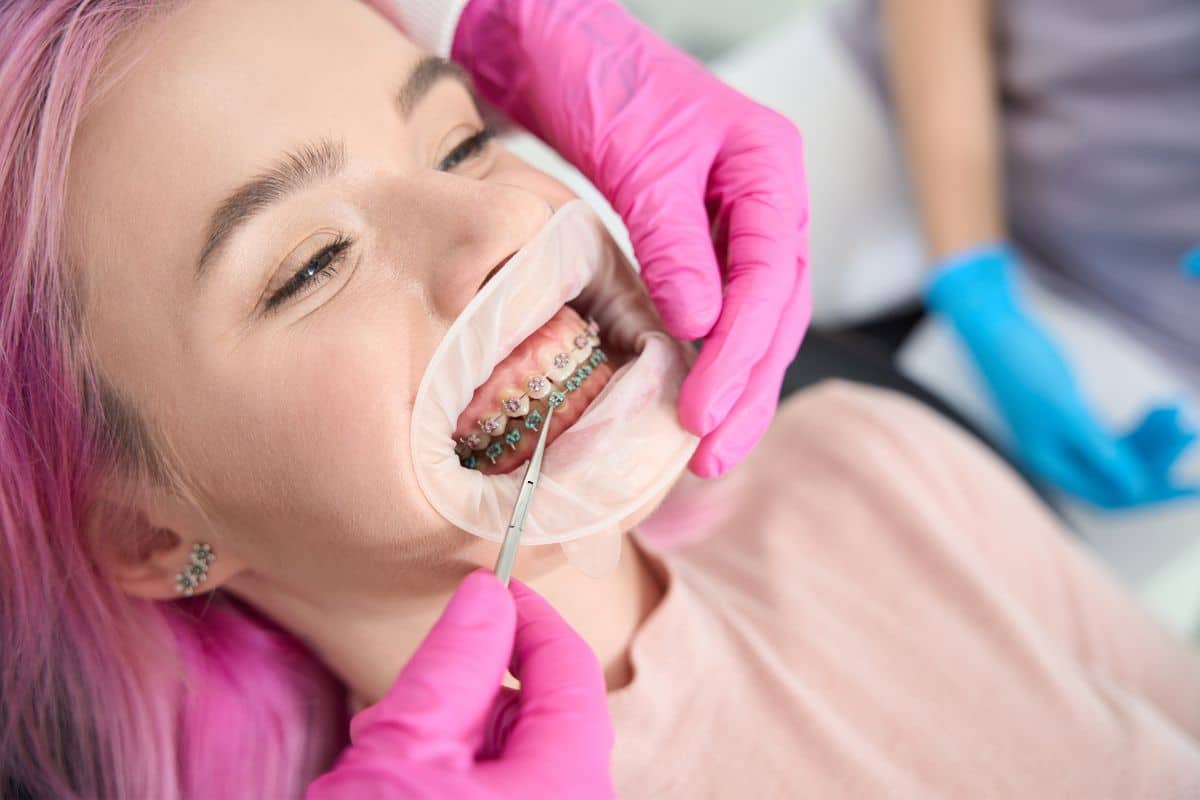
Not every patient is a candidate for the same appliance. Invisalign candidacy depends on the type of movement needed – Invisalign tends to work well for tipping and rotating teeth, while more complex bite corrections or bodily tooth movement may call for traditional braces treatment planning instead. We walk through the realistic options for your specific bite, not a generic menu.
Step 3: A Timeline Built Around Your Bite, Not the Calendar
Two patients who start treatment the same month can finish months apart, because the plan follows the complexity of the bite rather than a fixed schedule. We’d rather give you an honest timeline than a convenient one.
Braces vs. Invisalign: What Actually Determines Candidacy
| Factor | May Favor Traditional Braces | May Favor Invisalign |
|---|---|---|
| Bite complexity | Significant overbite, underbite, or crossbite | Mild to moderate crowding or spacing |
| Type of movement needed | Bodily movement or root repositioning | Tipping, rotating, minor spacing |
| Daily discipline | Fixed appliance, no compliance needed | Requires 20+ hours/day of wear |
| Lifestyle | Good for patients who may forget removable trays | Preferred for visible careers, sports, events |
| Treatment predictability | Often needed for more complex cases | Best for well-mapped, moderate cases |
Meet Your Centennial Orthodontist

Dr. Jason Morris believes that successful orthodontic treatment starts with understanding the whole picture—not just creating straighter teeth. He carefully evaluates each patient’s bite, jaw alignment, and long-term oral health before recommending braces, Invisalign, or another treatment approach. By taking the time to explain every option and answer questions, Dr. Morris helps patients feel confident that their treatment plan is designed specifically for their smile, lifestyle, and long-term goals. Call us now to book an appointment!
⭐⭐⭐⭐⭐ Marie Shols
Dr Morris and team are awesome! The experience with my son has been great from the start. My son has been able to get appointments that fit into his sports and academic schedule through the entire process.
What to Bring to Your Consultation
- Your concerns, written down: A quick list of anything that bothers you about your bite, not just how your teeth look.
- Any prior orthodontic records: If you’ve had a consult elsewhere, bring records or notes so we can compare notes on the diagnosis.
- A note on jaw habits: If you clench, grind, or notice jaw popping, mention it — it changes how we plan treatment.
- Your timeline goals: Whether it’s a wedding, a new job, or just wanting results before a certain date, timeline goals shape which appliance makes sense.
Still thinking about waiting? Delaying orthodontic care can allow bite problems to worsen and may increase treatment complexity over time. Before deciding to postpone, read “What Really Happens When You Keep Pushing Orthodontic Treatment to ‘Next Year’“ to understand how timing can influence your future treatment.
Curious What Your Own Plan Would Actually Look Like?
Book a comprehensive consultation in Centennial and get a bite analysis built around your teeth, not a template. Schedule an appointment!
Frequently Asked Questions
1. Why did my friend’s treatment plan look different from mine if our teeth looked similar?
Orthodontic treatment plans are based on bite alignment, root position, jaw structure, and overall oral health—not just how crowded or spaced the front teeth appear. Two smiles may look alike but require very different treatment approaches.
2. How do orthodontists decide between braces and Invisalign?
The choice depends on the type and complexity of tooth movement needed. Invisalign is often suitable for mild to moderate cases, while traditional braces may be recommended for more complex bite corrections or significant tooth movement.
3. Can two people with the same type of crowding need different treatment times?
Yes. Treatment length is influenced by factors such as bite complexity, root position, jaw relationship, and how teeth respond to movement. Even similar-looking cases can have very different timelines.
4. Is a longer treatment plan a sign something went wrong?
Not at all. A longer timeline often means your orthodontist is carefully correcting both the appearance of your smile and the function of your bite. Proper treatment helps create more stable, long-lasting results.
5. What happens if my treatment plan doesn’t address my bite alignment?
Ignoring bite alignment can lead to teeth shifting back after treatment, uneven enamel wear, jaw discomfort, and other long-term oral health issues. A comprehensive treatment plan is designed to prevent these problems.
6. Do I need X-rays or scans even if my teeth don’t look that crowded?
Yes. Digital X-rays and 3D scans reveal important details such as root position, bone support, and jaw relationships that cannot be seen during a visual examination alone. These images help your orthodontist create the most accurate treatment plan.
7. Can I request a specific appliance, like Invisalign, even if I’m not sure I’m a candidate?
Absolutely. During your consultation, your orthodontist will evaluate your bite and discuss whether Invisalign or traditional braces is the best option for achieving predictable, long-term results.
8. How often should treatment plans be reevaluated during orthodontic care?
Your treatment plan is reviewed at every adjustment or progress appointment. Regular evaluations allow your orthodontist to monitor tooth movement and make any necessary changes to keep your treatment on track.